
The West Memphis Three: The Teenagers Wrongfully Convicted Who Fought for Justice
In 1993, the horrific murders of three young boys in West Memphis, Arkansas, led to the wrongful convictions of teenagers Damien Echols, Jason Baldwin, and Jessie Misskelley Jr. Known as the West Memphis Three, their case became a glaring example of rushed judgment and systemic flaws.

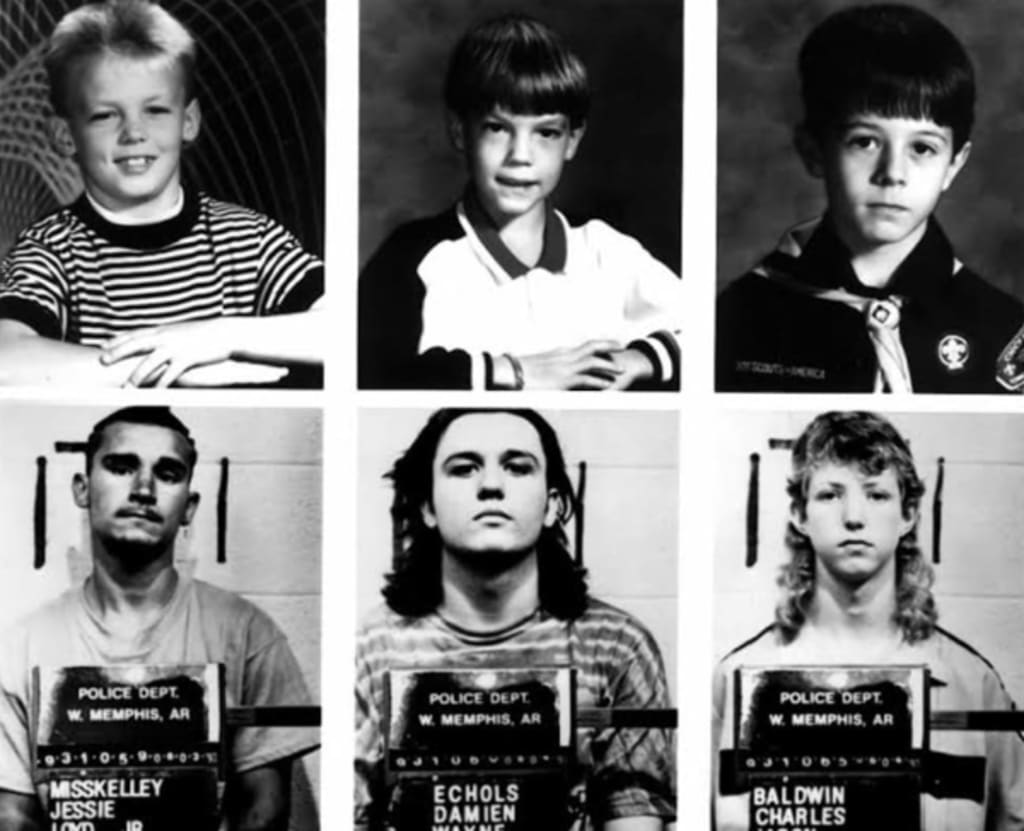
In 1993, the quiet town of West Memphis, Arkansas, was rocked by the horrific murders of three young boys. The subsequent trial and conviction of three teenagers, later known as the West Memphis Three, became a highly controversial case that captivated the nation and highlighted significant flaws in the criminal justice system. This story is one of tragedy, wrongful conviction, and the relentless pursuit of justice. It serves as a powerful reminder of the importance of fairness and the resilience of those who seek the truth.
The Crime That Shocked West Memphis
On May 5, 1993, the bodies of three eight-year-old boys—Stevie Branch, Michael Moore, and Christopher Byers—were found in a wooded area known as Robin Hood Hills. They had been brutally murdered, and their bodies showed signs of mutilation. The gruesome nature of the crime sent shockwaves through the community, igniting fear and a demand for swift justice.
The Rush to Judgment
The police, under intense pressure to solve the case quickly, focused their attention on three local teenagers: Damien Echols, Jason Baldwin, and Jessie Misskelley Jr. The boys, aged 16 to 18, were seen as outsiders and had a reputation for engaging in what was considered "unusual" behavior, including an interest in heavy metal music and the occult. This, combined with a coerced confession from Misskelley—who had an IQ of 72 and was interrogated for hours without an attorney or guardian present—led to their arrests.
Despite the lack of physical evidence linking them to the crime and numerous inconsistencies in Misskelley's confession, the prosecution built a case based on the boys' supposed involvement in a satanic ritual. The media frenzy and public fear of satanic cults further fueled the narrative, and the teenagers were convicted in 1994. Damien Echols was sentenced to death, while Jason Baldwin and Jessie Misskelley received life sentences.
Years of Injustice
The convictions of the West Memphis Three were met with widespread criticism and disbelief from legal experts, celebrities, and documentary filmmakers. Over the years, new evidence emerged that pointed to their innocence, including DNA evidence that did not match any of the three convicted boys. Moreover, numerous procedural errors and questionable tactics used during the investigation and trial came to light.
Supporters, including high-profile figures like Eddie Vedder, Johnny Depp, and the Dixie Chicks, rallied to bring attention to the case. The HBO documentary series "Paradise Lost: The Child Murders at Robin Hood Hills" played a significant role in raising public awareness and skepticism about the convictions.
The Fight for Freedom
The relentless efforts of the West Memphis Three's supporters, coupled with advances in forensic technology, led to a major breakthrough in the case. In 2007, new DNA testing excluded Echols, Baldwin, and Misskelley as sources of the biological evidence found at the crime scene. This revelation, along with the questionable nature of Misskelley's confession and other evidence, bolstered the case for their innocence.
In 2011, after spending 18 years in prison, the West Memphis Three were offered an Alford plea deal, which allowed them to maintain their innocence while acknowledging that the prosecution had enough evidence to convict them. This legal maneuver enabled their immediate release from prison but also prevented them from seeking compensation for wrongful imprisonment.
Resilience and Redemption
The release of the West Memphis Three was a bittersweet victory. While they were finally free, the injustice they endured left deep scars. However, their resilience and determination to clear their names and seek justice for the murdered boys remain inspiring. Damien Echols has since become an advocate for prison reform and has written books about his experiences, shedding light on the flaws of the criminal justice system.
The case of the West Memphis Three also serves as a powerful reminder of the importance of due process, the dangers of rushing to judgment, and the need for continual vigilance in the pursuit of justice. Their story underscores the impact of public support and media attention challenging wrongful convictions and advocating for the truth.
A Legacy of Change
The West Memphis Three's ordeal has had a lasting impact on the legal community and public awareness about wrongful convictions. Their case has prompted calls for legal reforms, including better interrogation practices, the use of forensic evidence, and safeguards against coercive confessions. It has also highlighted the role of advocacy and public involvement in ensuring justice is served.
To conclude the story of the West Memphis Three is a compelling narrative of injustice, resilience, and the relentless pursuit of truth. Their wrongful conviction and eventual release serve as a stark reminder of the fallibility of the criminal justice system and the enduring power of perseverance and advocacy. As they continue to fight for justice and reform, their journey inspires others to remain vigilant and committed to fairness and truth. The West Memphis Three have shown that, even in the face of overwhelming adversity, the human spirit can prevail, and justice can ultimately triumph.
About the Creator
Jane Doe
As a passionate storyteller, I captivate readers with engaging, well-researched articles across genres from criminality and poems to lifestyle and more....
Join me for insights, tips, and narratives that inform and entertain.
Ken Childs and the Shadow Network Behind Celebrity Surveillance
Hollywood is no stranger to intrigue. Behind the red carpets, blockbuster premieres, and glamorous headlines lies a parallel world where privacy is fragile and information can be extremely valuable. Over the years, celebrities have faced stalkers, hackers, and fraud schemes designed to exploit their wealth and visibility. Recently, reports circulating online have drawn attention to a controversial narrative involving private investigator Ken Childs and allegations that place him near the center of a disturbing story about celebrity surveillance.
By Shane Smith7 days ago in Criminal
Why Didn't Anyone Tell Us
Men, move along. This is not for you. This is for the women. I was forty-five when I began menopause. It is pretty young for that to be going on in a woman’s life, but I had undiagnosed PCOS, my entire life. Thank you to all the gynecologists I had seen my entire life. That in itself should encourage women to keep seeking second opinions, especially when you are not getting correct answers or any at all.
By Alexandra Grant6 days ago in Humans




Comments
There are no comments for this story
Be the first to respond and start the conversation.