
The Forensic Science of Handwriting:
Beyond Forgery and into the Criminal Mind


Handwriting analysis is often reduced to one function: detecting forgeries. However, forensic handwriting analysis extends far beyond fraud detection. It plays a critical role in criminal profiling, threat assessment, and investigative psychology. While forensic document examination focuses on authentication, forensic graphology uncovers behavioral traits, emotional patterns, and cognitive processes hidden within handwriting.
This investigative tool has been instrumental in solving cold cases, identifying deceptive behavior, and even assessing criminal intent. In both historical and modern cases, forensic handwriting experts have helped law enforcement uncover hidden motives, verify confessions, and track serial offenders. Understanding the psychology behind handwriting offers a unique window into the criminal mind, making it an indispensable tool in forensic investigations.
The Mind-Body-Pen Connection
- Handwriting is a neuromuscular act influenced by cognition, personality, and psychological state.
- Research in neuropsychology and forensic psychology supports the link between writing patterns and cognitive-emotional processes.
- Unlike voice analysis or body language, handwriting leaves a permanent record of one’s subconscious tendencies.
- For instance, an individual's slant, spacing, and pressure can provide insight into their emotional resilience, stress tolerance, and impulsivity.
- Changes in handwriting can also reflect neurological disorders, emotional distress, or deception attempts, making it a useful tool in forensic investigations.
Forensic Handwriting in Criminal Investigations
- Threat Analysis: Handwriting is used in profiling anonymous letters, ransom notes, and written confessions.
- Behavioral Red Flags: Certain handwriting traits correlate with impulsivity, aggression, deception, and manipulation.
- Historical Cases: Notorious criminals, including Ted Bundy and the Zodiac Killer, had their handwriting scrutinized for insights into their personality and behavioral patterns.
- Psychological Clues: Investigators often look at pressure, slant, stroke formations, and spacing to detect signs of dishonesty or instability.
- Case Study: In the case of the JonBenét Ramsey ransom note, forensic handwriting experts analyzed the penmanship to determine possible authorship, which remains controversial to this day.
Debunking the Skepticism
Critics dismiss forensic graphology as subjective, yet handwriting analysis follows scientific principles akin to behavioral profiling. In fact, it's as scientific as medicine, law, and archaeology.
Courts accept forensic document examination while often-overlooking the psychological depth of forensic graphology, despite both requiring expert interpretation.
Law enforcement agencies worldwide continue to use forensic handwriting analysis in criminal profiling and psychological assessments.
Countries such as Germany and Israel actively integrate forensic graphology into their criminal investigations, showing its effectiveness when used alongside other forensic tools.
The FBI Behavioral Analysis Unit has worked with forensic handwriting experts in cases involving serial offenders and anonymous threats.
The Intersection of Neuroscience and Handwriting Analysis
The human brain controls handwriting, meaning psychological and neurological factors directly influence the way we write.
Research has shown that handwriting can reveal early symptoms of neurodegenerative diseases such as Parkinson’s and Alzheimer’s.
Clinical Graphology - an evidence-based program I created in 1987, shows that by strategically changing handwriting stroke and letter shapes, one can help remove unwanted traits, and alter cognitive and emotional patterns over time.
Advanced technology, such as AI-driven handwriting analysis, is now being integrated with forensic methodologies to enhance accuracy in criminal profiling.
Closing Thoughts
Forensic handwriting analysis is an overlooked yet powerful tool in criminal investigations. Its ability to decode personality, deception, and intent makes it indispensable for law enforcement, legal experts, and forensic professionals. As more cases prove its scientific and investigative value, forensic graphology is gaining recognition as an essential discipline within forensic psychology and criminology.
Despite skepticism, the combination of forensic document examination and forensic graphology provides law enforcement with an additional layer of insight into criminal behavior. As technology advances, the integration of AI, neuroscience, and forensic handwriting analysis will likely further validate its role in modern investigations. While it may not be a standalone form of evidence, it remains a critical supplemental tool in understanding the criminal mind.
About the Creator
Dr. Mozelle Martin
Behavioral analyst and investigative writer examining how people, institutions, and narratives behave under pressure—and what remains when systems fail.
Keep reading
More stories from Dr. Mozelle Martin and writers in Criminal and other communities.
Did Texas Get It Wrong?
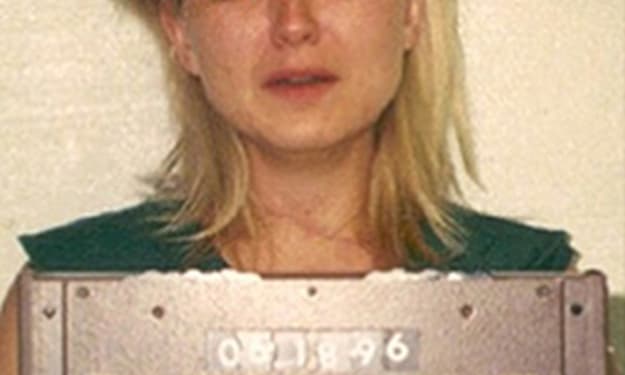
For more than 25 years, Darlie Routier has sat on death row, convicted of the brutal 1996 murder of her five-year-old son, Damon. She was also charged with the murder of her six-year-old son, Devon, who was killed that same night.
By Dr. Mozelle Martinabout a year ago in Criminal
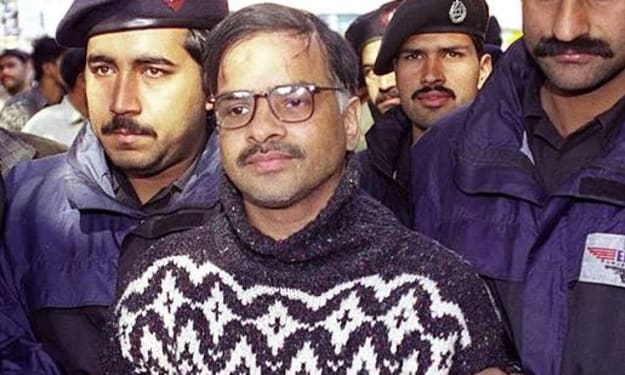
Javed Iqbal: The Monster Who Murdered 100 Boys in Six Months
Javed Iqbal Mughal stands as one of the most horrifying and prolific serial killers in modern history earning the grim distinction of being Pakistan's worst serial killer. Born around 1961 in Pakistan Iqbal came from a relatively affluent background. His family provided him with significant privileges early in life by his late teens his father had purchased a villa for him and gifted him a powerful 200cc motorbike. These luxuries would later become tools in his predatory schemes.In the early 1990s Iqbal's dark tendencies first came to light when he was arrested following allegations from one of his victims. He faced accusations of sexually abusing young boys luring them to his residence with promises of food money or shelter. However, the case did not result in lasting consequences—no formal charges stuck, and he was released. This brush with the law left a deep scar on Iqbal. He later claimed that the stress and humiliation his mother endured during his arrest and the surrounding scandal contributed to her suffering a fatal heart attack. Consumed by grief and rage Iqbal vowed revenge—not directly against the authorities, but against society itself. He declared his intention to inflict the same level of anguish on 100 other mothers by taking their sons' lives.
By Kure Garbaabout 10 hours ago in Criminal
Elon Musk
I was born in South Africa, in a household where strictness and violence were the norm. While other kids played, I hid. I was beaten at school, ignored during recess, and once thrown down the stairs, ending up in a hospital bed. But these challenges didn't crush me. They made me stronger.
By Tariq Pathan 6 days ago in Criminal


Comments