
The Fires of Madness: The Horrific History of Witch Burning
baseless tortures or true punishments?

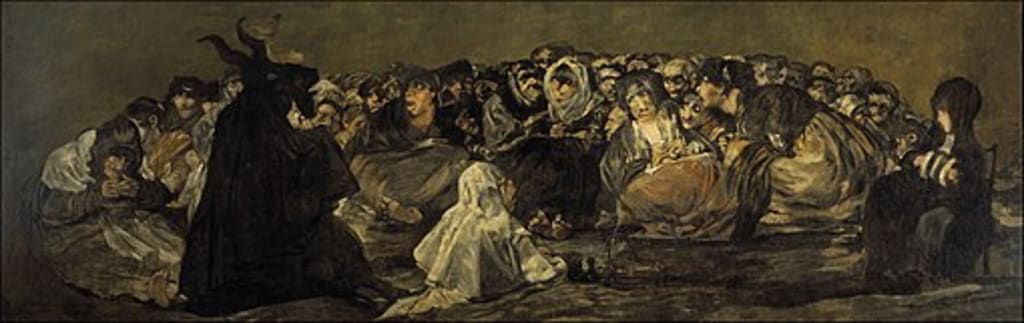
Few images in history are as chilling as that of a woman—or sometimes a man—bound to a stake, flames licking at their flesh as an eager crowd watches. The witch trials of the early modern period were not mere superstition; they were a perfect storm of fear, religious fanaticism, and sadistic justice. Behind the folklore of broomsticks and black cats lies a much darker truth: the torture and execution of thousands of innocent people accused of consorting with the Devil.
it's past 3 o'clock as I'm writing this. I feel a bit scared but I don't think I can have a good night's sleep until I publish this article, I'm that determined.
The Roots of the Hysteria
The witch hunts reached their peak between the 15th and 18th centuries, fueled by the "Malleus Maleficarum" (1486), a witch-hunting manual that declared witchcraft a heresy punishable by death. Written by Heinrich Kramer, a German inquisitor, it claimed that women were more susceptible to Satan’s influence due to their "weak nature." The book detailed grotesque accusations—witches stealing penises (yes, that organ) summoning storms, canabalizing on babies—and prescribed brutal interrogations to extract confessions.
Europe was primed for panic. The Protestant Reformation, Catholic Counter-Reformation, wars, plagues, and crop failures all created an atmosphere of paranoia. When something went wrong—a child’s death, a failed harvest, a sudden illness—witches made convenient scapegoats.
Torture and False Confessions
Before the flames came the torture. Inquisitors used horrific methods to force confessions:
1.The Rack – Limbs stretched until joints dislocated.
2.Thumbscrews – Fingers crushed to pulp.
3. Sleep Deprivation – Victims kept awake for days until delirious.
4.Waterboarding – "The Witch’s Chair" forced suspects underwater repeatedly.
There were probably more methods used because as a human I know that we humans get super creative when it comes to torture and bloodbath.
Under such agony, many confessed to impossible crimes—flying to Satanic gatherings, transforming into animals, cursing neighbors. Some even named accomplices, sparking chain-reaction trials.
The Burning Times
While hanging was common in England and America, burning at the stake was favored in much of Europe, especially for women. The Church taught that fire purified the soul, and public executions served as warnings.
Notorious Cases
1. The Würzburg Witch Trials (1626–1631)– Over 900 burned, including children as young as seven. One record chillingly lists: "A little girl, nine or ten years old… and her younger sister…"
2. The Bamberg Witch Trials (1626–1631) – Mayor Johannes Junius was tortured into confessing. His final letter to his daughter survives: "Innocent I came to prison, innocent I was tortured…" He was burned alive.
3. The Pendle Witches (1612, England) – Ten people hanged based on the testimony of a nine-year-old girl.
4. The Salem Witch Trials (1692, America) – Though no burnings occurred, 19 were hanged, and one man, Giles Corey, was pressed to death with stones.
these aren't the only times history recorded such atrocities, there's more evidence all over the world.
Real Witchcraft? Or Pure Horror?
While most victims were innocent, some historical accounts suggest actual dark practices existed. Folk magic—charms, curses, love potions—was common among peasants. In rare cases, there were reports of poisonings or ritualistic murders, but these were exceptions, not the rule.
The true horror lies in how easily societies turned on their own. Neighbors accused neighbors. Children testified against parents. The accused were often elderly, poor, or simply disliked.
this reminds me of one movie, " the autopsy of Jane doe". spoilers ahead: she wasn't a witch but the the torture and agony she went through, turned her into one. she was innocent and everybody framed her as a witch. I'm thinking about writing a review on this movie. it was so horrifying.
Legacy of the Flames
By the 18th century, the witch craze faded as Enlightenment thinking spread. But the scars remained. Estimates suggest 40,000–60,000 were executed, 75% of them women.
Today, witch hunts still occur in parts of Africa and India, proving humanity’s capacity for fear-driven cruelty is far from dead.
Final Thought
The next time you hear the word "witch", remember: most were just people caught in the firestorm of hysteria. Their real crime? Being different in an age of madness.
About the Creator
E. hasan
An aspiring engineer who once wanted to be a writer .
Study reveals Louisiana State Police uses force disproportionately against Black people
It’s not the NYPD or LAPD that’s the news for using excessive force but the Louisiana State Police Department. In cases where women have been dragged on the pavement by a cop with a chip in his shoulder to the fact that cops chase after whomever is speeding, only the numbers tell the tale.
By Skyler Saunders4 days ago in Criminal
Hunting 'Deadshitdaddy': The Instagram Account Selling Bones from the House of Skulls
The Digital Storefront in Ephrata While Jonathan Gerlach was physically robbing graves 70 miles away in Yeadon, he was simultaneously building a thriving brand in the heart of Ephrata Borough. Using the handle "deadshitdaddy" on Instagram and maintaining active profiles in private Facebook groups like "Human Bones and Skull Selling Group," Gerlach allegedly turned his residence at 100 Washington Avenue into an online boutique for the macabre.
By Sunshine Firecracker4 days ago in Criminal




Comments (1)
Scary in those day if one messed up. ♦️♦️♦️