
The Disturbing Art of Henry Lee Lucas
How Abuse Shaped One of History's Most Notorious Killers

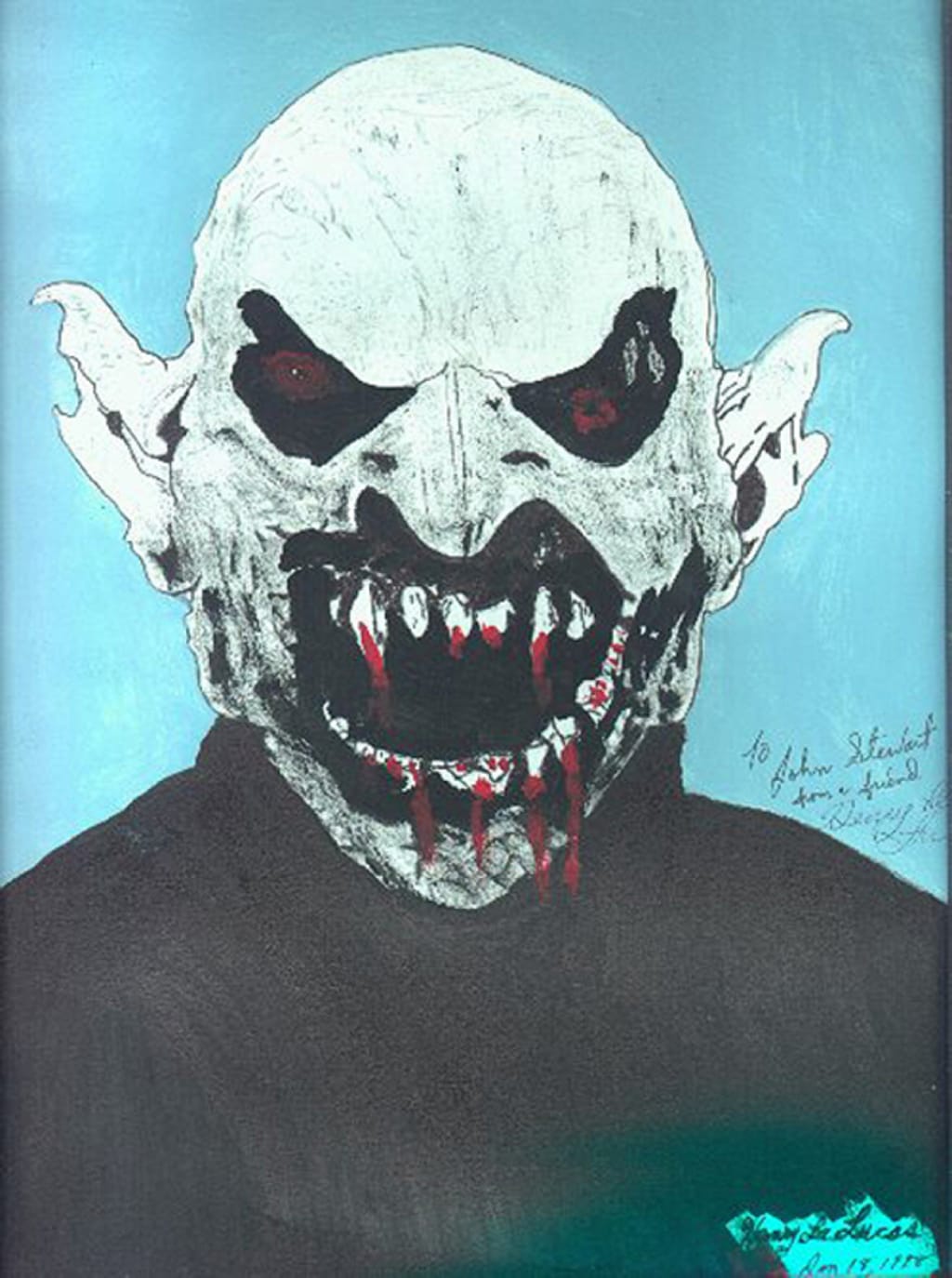
Art is often a reflection of the creator’s soul, an intimate glimpse into their mind and experiences. But when the artist is a convicted serial killer, the result becomes far more unsettling. The story of Henry Lee Lucas and his dark, disturbing art is a chilling reminder of how trauma and violence can manifest in unexpected and horrifying ways.
The inspiration for this article came from a slideshow that starts with a mugshot of Lucas, a face etched with menace and mystery, followed by one of his prison artworks. At first glance, the piece seems haunting, but its significance deepens when the backstory of its creator is unveiled.
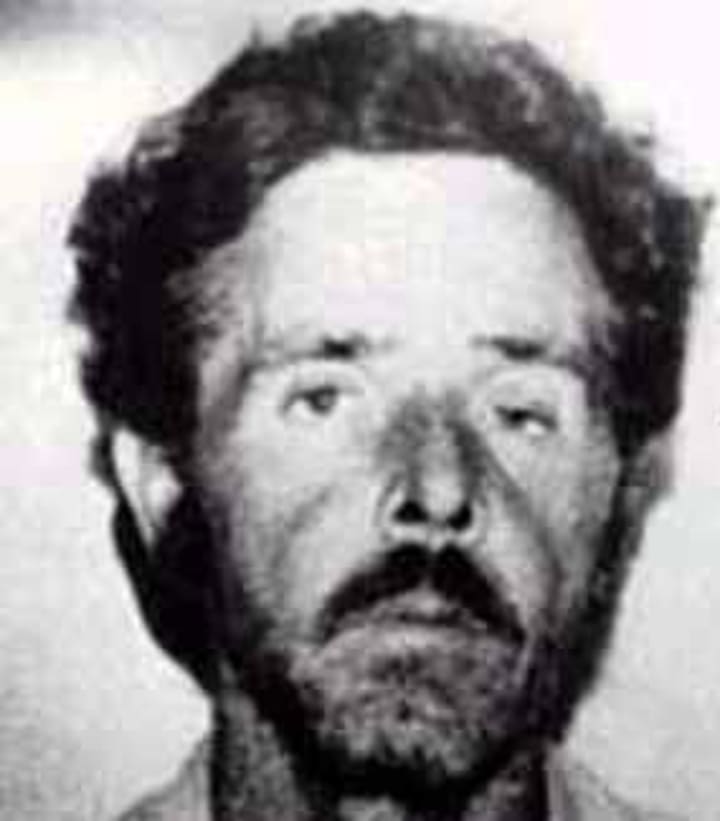
Born in 1936, Henry Lee Lucas endured a childhood defined by unimaginable hardship and cruelty. Raised in a toxic environment, his mother’s neglect and physical abuse left permanent scars—both physical and emotional. One particularly harrowing incident involved his brother striking him in the eye with a plank of wood. His mother refused to seek treatment, leaving him disfigured for life. This wasn’t an isolated incident but rather part of a pattern of torment. His mother forced him to wear dresses and subjected him to exploitation by adults, eroding his sense of identity and humanity from a young age.
Lucas’s descent into criminality began early. By 1954, he had already been arrested for burglaries in Richmond, Virginia, marking his first serious encounter with the law. However, the petty crimes of his youth foreshadowed far more horrific acts. Lucas later confessed to committing his first murder in 1951, claiming he killed a young girl who resisted his advances in Virginia. In 1960, he escalated his violence by murdering his own mother during a heated argument. This crime earned him a 40-year sentence, but due to prison overcrowding, he served only ten years before being released.
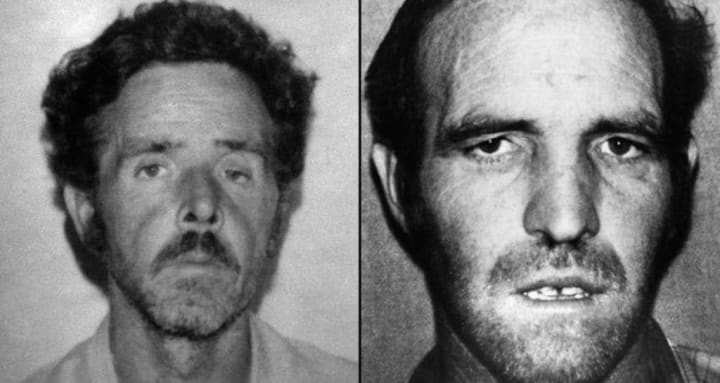
His freedom led to a series of events that would cement his place in history as one of the most notorious and controversial figures in true crime. In 1979, Lucas met Ottis Toole, and together they formed a partnership defined by chaos and brutality. For two years, the pair roamed the country, preying on vulnerable individuals, including hitchhikers, sex workers, and migrants. Their reign of terror ended when Lucas was arrested in 1981 for firearm possession. It was during his time in custody that he began to confess to a string of murders, earning him the nickname "The Confession Killer."
Lucas claimed to have murdered over 3,000 people, a number that was both shocking and implausible. Investigators eventually determined that many of his confessions were fabrications, designed to gain attention and manipulate the legal system. However, enough evidence linked him to at least 11 murders, leading to his conviction. Initially sentenced to death, Lucas’s sentence was later commuted to life imprisonment after doubts arose about the reliability of his confessions.
While incarcerated, Lucas turned to art, creating a series of sketches and paintings that revealed his twisted inner world. His artwork, much like his life, was unsettling and dark. Some saw it as an extension of his violent tendencies, while others viewed it as an attempt to process his traumatic past. Whatever the interpretation, his creations were undeniably haunting, offering a glimpse into the mind of a man shaped by abuse, neglect, and his own monstrous acts.
One particular piece stands out for its eerie and grotesque details, embodying the complexity of his psyche. His works, which were later auctioned, sparked fascination and revulsion in equal measure. They serve as a stark reminder of the thin line between curiosity and morbidity when it comes to true crime and its artifacts.
The legacy of Henry Lee Lucas is one that continues to provoke questions and unease. How does a person become capable of such heinous acts? What role did his traumatic upbringing play in shaping the man he became? While these questions may never be fully answered, Lucas’s story serves as a grim cautionary tale. It highlights the devastating consequences of unchecked trauma and violence, not just for the individual but for society as a whole.
His art, though far from conventional, forces us to confront the darker sides of humanity. It is both a reflection and a relic, a disturbing artifact from a life marred by pain and destruction. As we examine these creations, we are reminded of the profound impact of early life experiences on shaping a person’s future.
Henry Lee Lucas may have passed away in 2001, but his story and his art remain as chilling reminders of the capacity for human darkness. They challenge us to look beyond the surface and consider the factors that drive people to the extremes of violence and depravity.
About the Creator
Gerald mawuli Deynu
Gerald Mawuli Deynu
Born on October 14, 2003, in Ghana, Gerald Mawuli Deynu is a dedicated writer who focuses on news, lifestyle, crime, relationship advice and more.
Keep reading
More stories from Gerald mawuli Deynu and writers in Criminal and other communities.
Newlywed Nurse Tragically Murdered by Neighbor: A Community in Mourning
The quiet town of Beaverton, Oregon, is reeling after the shocking and senseless murder of 32-year-old nurse, Melissa Juain. As details of her tragic death emerge, a close-knit community finds itself grieving the loss of a beloved daughter, wife, and friend. Her story, one of love, hope, and promise, was cruelly cut short by an act of violence that no one could have anticipated. The horrifying reality of the crime has sent shockwaves through not only her local community but also the healthcare sector, where she had touched so many lives.
By Gerald mawuli Deynuabout a year ago in Criminal
The Facebook Marketplace of Horrors: Inside the groups where bones are traded like baseball cards.
It Wasn't the Dark Web When we hear about the illegal sale of human body parts, we imagine the "Dark Web"—encrypted Tor browsers, Bitcoin wallets, and shadowy Russian servers. The terrifying reality of the Jonathan Gerlach case is that he wasn't hiding in the digital shadows. He was hiding in plain sight.
By Sunshine Firecracker2 days ago in Criminal
What DHS Secretary Kristi Noem said vs. what the videos show
NBC News and PBS recapped the competinBelow is a structured, evidence-backed analysis of the Minneapolis ICE shooting and the claims made by DHS Secretary Kristi Noem—including the applicable federal laws/policies and how intent vs. recklessness factor into a potential case. I’ll keep this clear, precise, and grounded in the video evidence and governing law.
By Organic Products 5 days ago in Criminal



Comments
There are no comments for this story
Be the first to respond and start the conversation.