
The Disappearance of Alissa Turney: A Case of Control, Obsession, and Unanswered Questions
Seventeen-year-old Alissa Turney vanished without a trace on May 17, 2001, marking a tragic turn in what should have been a celebratory day — the last day of her junior year in high school.

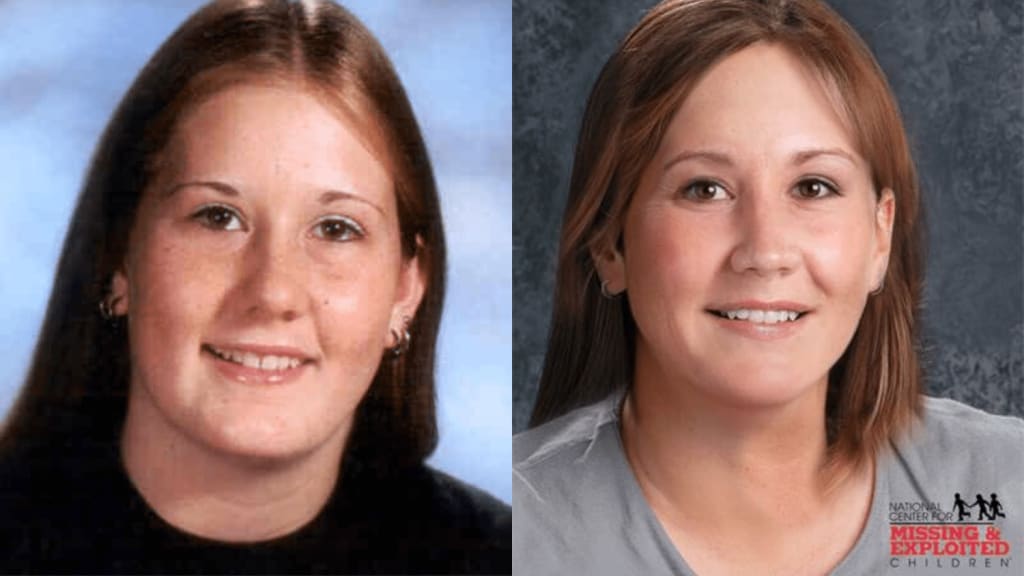
That morning, her stepfather, Michael Turney, picked her up early from school. He later claimed he had left her at home to run errands and returned to find a handwritten note from her, saying she had run away to California. At first glance, it appeared to be a typical case of teenage rebellion. However, inconsistencies quickly surfaced. Alissa had left behind her car, clothing, and personal items, and no one ever saw or heard from her again.
For years, the case languished as a presumed runaway situation. It wasn’t until investigators reopened the case years later that a disturbing portrait of Michael’s behavior began to emerge.
A Stepfather’s Tight Grip
Michael Turney had always exerted a concerning level of control over Alissa. He closely monitored her daily activities, keeping an unrelenting watch on her. He installed surveillance cameras throughout their home, listened in on her phone conversations, and even spied on her at work using binoculars.
In the weeks leading up to her disappearance, Alissa confided in her older brother, James. She told him she was scared of Michael and didn’t feel safe in their home. She even asked if she could move in with him, but her fears would go unaddressed.
Michael’s obsession with controlling Alissa’s life didn’t stop there. He reportedly made her sign strange, handwritten contracts, including one that declared he had never sexually abused her — a document both unusual and unsettling.
A Family Once United, Slowly Shattered
Michael became a part of Alissa’s life in 1987 when he married her mother, Barbara. To outsiders, their blended family appeared ideal. Michael had three sons from a previous marriage, while Barbara had Alissa and her older brother. Together, the couple also had Sarah, born in 1988.
But the harmony didn’t last. Michael suffered a debilitating injury at work that left him unable to return to his job as an electrician. His mental health took a turn for the worse, and his erratic behavior began to surface.
When Barbara tragically passed away from lung cancer at just 34, Michael’s treatment of Alissa became even more intense. He scrutinized her every move, in stark contrast to the freedom he gave his younger daughter, Sarah.
Sarah had a drastically different experience in the home. Michael allowed her to live as she pleased, even letting her boyfriend move into the house and stocking a personal mini-fridge for her with beer. Alissa, however, was subjected to strict surveillance and constant control.
An Investigation Reopens, Dark Truths Surface
For years, authorities treated Alissa’s case as a routine teenage runaway. They didn’t interview her friends, nor did they look deeply into Michael’s story. The case only regained attention in 2006 after a false confession brought it back into the spotlight.
Serial killer Thomas Albert Hymer, who was already convicted of murdering a Florida woman, claimed responsibility for Alissa’s death. However, his confession quickly fell apart. Hymer described Alissa as a heroin addict, which was blatantly untrue, and he ultimately admitted he had likely confused her with someone else.
Although Hymer’s confession led nowhere, it spurred investigators to dig deeper into Alissa’s disappearance. When they interviewed her friends and those close to her, they uncovered unsettling allegations about Michael’s behavior.
In 2008, authorities executed a raid on Michael Turney’s home. What they found was shocking: over two dozen homemade bombs, 19 assault rifles, two silencers, and a van filled with gasoline.
Perhaps even more alarming was a 98-page document Michael had written, titled “Diary of a Madman Martyr.” In it, he laid out plans to bomb a local union hall and kill any survivors before ending his own life. Despite these alarming discoveries, there was no concrete evidence tying him to Alissa’s disappearance.
Instead, Michael was charged with possessing illegal explosives and sentenced to 10 years in prison.
Uncovering Michael’s Disturbing Past
As investigators combed through evidence, they found more troubling signs. Michael had recorded hours of video footage of Alissa, including private moments with her boyfriend. Footage from the day she disappeared was missing.
They also discovered disturbing testimonies from Alissa’s friends and even a teacher. Alissa had reportedly confided in them about being sexually abused by Michael. One friend recalled Alissa describing an incident where she woke up tied to a chair, with Michael on top of her.
Still, despite these revelations, the evidence wasn’t enough to charge Michael.
A Family Divided
Michael was released from prison in 2017. Soon after, Sarah Turney, who had become an advocate for her sister, confronted him at a Starbucks. During their tense meeting, Michael made two shocking remarks: he claimed he’d confess everything if given lethal injection within 10 days and also promised to share the truth on his deathbed.
In 2020, Michael was arrested again, this time charged with second-degree murder in connection to Alissa’s case. Sarah, who had spent years pushing for justice, was elated. She tweeted: “We did it, you guys. He’s been arrested. Never give up hope.”
But the celebration was short-lived. After a six-day trial in 2023, Michael was acquitted. The judge ruled there wasn’t enough evidence to prove he had killed Alissa.
A Quest for Justice Continues
Michael has always maintained his innocence, insisting that his strict behavior was meant to protect Alissa and that any allegations of abuse were false.
In January 2024, he sued police and prosecutors, accusing them of targeting him unfairly and violating his rights. He admitted he didn’t expect to win, saying, “I don’t ever expect to get any money from it. I expect them to come down on me like banshees from hell.”
For Alissa’s siblings, the case represents a failure of the justice system. Her brother James has described it as a “textbook” case of coercive control, and Sarah continues to fight for answers.
Over two decades after Alissa’s disappearance, her fate remains unknown. Yet her family refuses to give up, determined to find the truth and keep her story alive.
Thank you for reading!
If you find this piece interesting, please leave a heart, comment, or even subscribe! Your support means a lot to me as a writer!
About the Creator
Victoria Velkova
With a passion for words and a love of storytelling.
Keep reading
More stories from Victoria Velkova and writers in Criminal and other communities.
Could Madeleine McCann Finally Be Found? The Bizarre Tale of Julia Wendell
In May 2007, the McCann family was enjoying what should have been a carefree holiday at the Ocean Club in Praia de Luz, Portugal. Their days were filled with sandy beaches and family time, while evenings allowed the adults to relax over dinner after tucking their children into bed. With the restaurant located a mere 180 feet from their apartment and regular check-ins on the kids, the McCanns believed they were being responsible.
By Victoria Velkovaabout a year ago in Criminal
The Second Crime Scene: The 8 Bodies Found in the Ephrata Storage Locker
DOSSIER ENTRY: THE SECOND CRIME SCENE TARGET LOCATION: EPHRATA SELF STORAGE (FACILITY NAME REDACTED) SEARCH DATE: WEDNESDAY, JANUARY 7, 2026 EVIDENCE RECOVERED: 8 INTACT HUMAN CORPSES / SKELETAL REMAINS THEORY: "FINISHED GOODS WAREHOUSE" STATUS: VERIFIED (AFFIDAVIT OF PROBABLE CAUSE)
By Sunshine Firecracker5 days ago in Criminal
The Facebook Marketplace of Horrors: Inside the groups where bones are traded like baseball cards.
It Wasn't the Dark Web When we hear about the illegal sale of human body parts, we imagine the "Dark Web"—encrypted Tor browsers, Bitcoin wallets, and shadowy Russian servers. The terrifying reality of the Jonathan Gerlach case is that he wasn't hiding in the digital shadows. He was hiding in plain sight.
By Sunshine Firecracker4 days ago in Criminal



Comments
There are no comments for this story
Be the first to respond and start the conversation.