
The Dark Legacy of Marilyn Manson
Case of Marilyn Manson

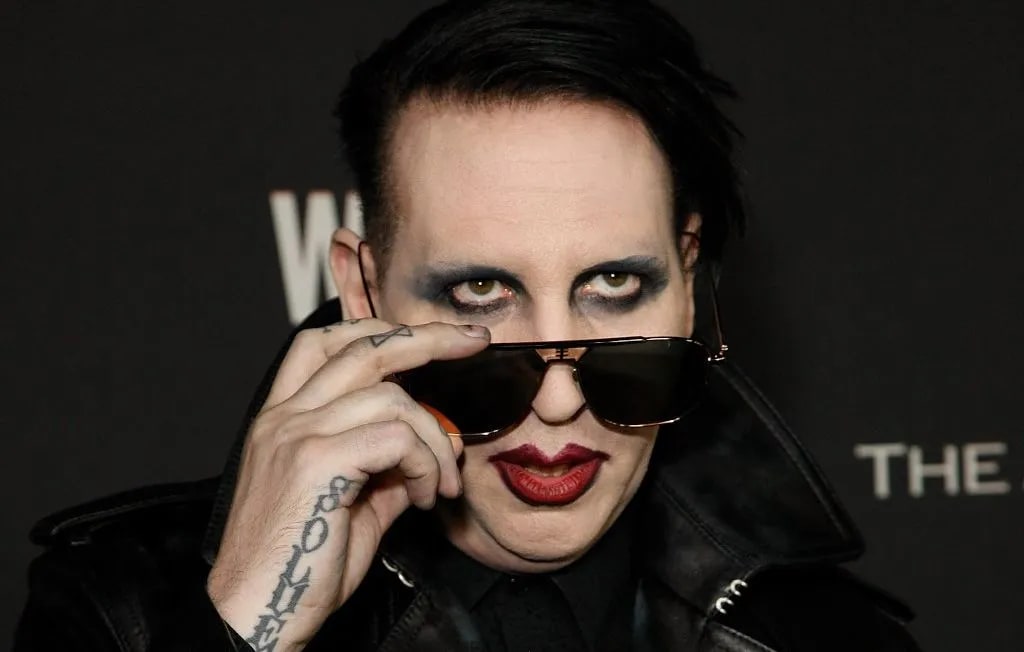
Marilyn Manson, born Brian Hugh Warner on January 5, 1969, is one of the most polarizing figures in modern music and pop culture. As a shock rock artist, Manson has cultivated an image that blends the grotesque with the provocative, pushing the boundaries of societal norms and art. His dark and often controversial persona, coupled with his intense musical performances, has left an indelible mark on both fans and critics alike.
While some see Manson as a brilliant artist challenging cultural taboos, others regard him as a dangerous figure who glorifies rebellion and dark themes. Throughout his career, Manson has sparked numerous debates surrounding free speech, artistic expression, and moral responsibility. This article takes a closer look at the complex figure behind the makeup, the influence he’s had on culture, and the controversies that have shaped his career.
The Birth of Marilyn Manson
Born in Canton, Ohio, Manson grew up in a relatively normal, middle-class household. His interest in music and performance art developed early, drawing inspiration from a wide range of sources, including David Bowie, Alice Cooper, and even horror films. In the early 1990s, Warner adopted the stage name "Marilyn Manson," a moniker combining two iconic and contrasting figures in American culture: Marilyn Monroe, the epitome of beauty and fame, and Charles Manson, the notorious cult leader. This combination was meant to symbolize the duality of fame, beauty, and darkness—concepts that Manson would explore throughout his career.
In 1989, Manson formed the band Marilyn Manson & the Spooky Kids, which would later be shortened to simply Marilyn Manson. The band quickly gained attention for its shock-value stage performances, characterized by macabre imagery, makeup, and costumes. Manson’s eerie vocals and dark lyrics complemented the disturbing visuals, drawing both fascination and outrage from audiences and media alike.
The Rise to Fame
Marilyn Manson’s big break came in 1994 with the release of Portrait of an American Family, produced by Nine Inch Nails' Trent Reznor. The album introduced the world to Manson’s signature blend of industrial metal, heavy guitars, and unsettling lyrics. It was a critique of American consumerism, religious hypocrisy, and societal conformity—topics that would become central themes in Manson’s work.
However, it was the 1996 album Antichrist Superstar that truly launched Manson into the mainstream, cementing his reputation as a provocateur. The album, filled with nihilistic themes and apocalyptic imagery, became a commercial success, reaching the top of the charts. Its controversial nature made Manson a household name, with many accusing him of promoting anti-religious sentiments and encouraging youth rebellion. Songs like “The Beautiful People” became anthems of disillusionment, resonating with fans who felt alienated by mainstream society.
The Role of Shock Rock
Throughout his career, Manson has drawn heavily from the tradition of shock rock—a genre pioneered by artists like Alice Cooper and Iggy Pop. The use of unsettling visuals, dark imagery, and aggressive performances was designed to challenge conventional ideas of what rock music could be. Manson took this formula to new extremes, combining elements of goth culture, horror, and performance art to create a persona that was both intriguing and controversial.
Manson's image became as famous as his music. His androgynous appearance, ghostly pale skin, heavy makeup, and unsettling costumes were intended to provoke. Many saw him as the embodiment of their worst fears—an artist glorifying the grotesque, and a symbol of moral decay in American culture. This fear was amplified in 1999, when Manson was blamed by some for influencing the Columbine High School shooting, despite no direct evidence linking him to the event. Manson himself decried the accusations, seeing them as a reflection of society's tendency to scapegoat art and entertainment for deeper cultural issues.
The Influence of Marilyn Manson on Culture
Despite—or perhaps because of—the controversy, Manson became a powerful symbol for outsiders and misfits. His music, which often dealt with themes of alienation, identity, and rebellion, spoke to young people who felt out of place in a world dominated by strict norms and expectations. His theatrical performances became a way for fans to experience catharsis, a place where they could express their frustrations and question societal values.
Manson's impact extended beyond music. His influence could be seen in fashion, film, and even literature. His bold, avant-garde style helped redefine the boundaries of acceptable public personas, paving the way for future artists to express themselves without fear of censorship. His collaborations with other artists, such as filmmaker David Lynch, further solidified his reputation as a multifaceted creative force.
At the same time, Manson's music and public persona have raised important questions about the role of artists in society. His work challenges the notion that art should be safe, comfortable, or morally acceptable. Instead, Manson has consistently pushed the envelope, forcing audiences to confront difficult questions about the nature of art, censorship, and free expression.
Controversies and Legal Issues
While Manson's music and image have garnered him a dedicated following, his career has not been without serious controversy. In recent years, allegations of abuse and misconduct have emerged against the artist, with several women, including actress Evan Rachel Wood, accusing Manson of manipulation and psychological abuse. These allegations have resulted in legal battles and have had a profound impact on Manson’s career.
In response to the accusations, Manson has denied any wrongdoing, claiming that his relationships were always consensual. Nonetheless, the allegations have led to significant fallout. Several record labels dropped Manson, and his roles in TV shows like American Gods and Creepshow were cut following the public accusations. The artist's once-thriving career has been put under a cloud of scrutiny, as both fans and critics grapple with how to reconcile his music with these troubling accusations.
The Legacy of Marilyn Manson
Marilyn Manson’s legacy is one of contradiction. On the one hand, he is a talented musician and performance artist whose work has had a significant impact on modern culture. On the other hand, his provocative image and controversial behavior have made him a lightning rod for criticism and controversy.
For some, Manson is a champion of free expression, an artist unafraid to challenge societal norms and explore the darker side of human nature. For others, he represents a dangerous figure who glorifies rebellion and self-destruction. As his career continues to unfold amid ongoing legal battles and public scrutiny, the full impact of Marilyn Manson’s legacy remains to be seen. Regardless, his influence on music, culture, and the ongoing debate about the role of art in society is undeniable.
About the Creator
Angelina Reen
Penning down my thoughts, stories, and lessons to inspire and bring joy. Join me on my journey of self-discovery!
Keep reading
More stories from Angelina Reen and writers in Criminal and other communities.
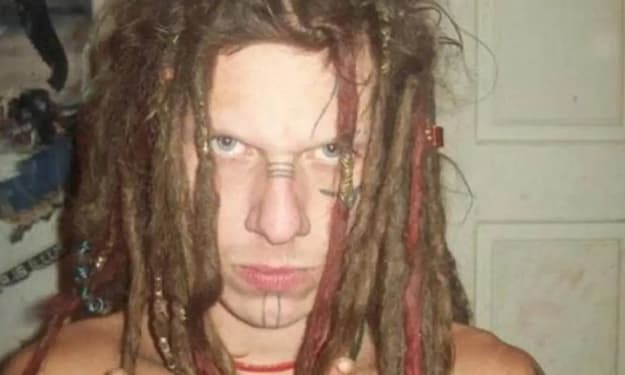
Satanic Rituals and Murder: The Chilling Crimes of Pazuzu Algarad
The world of true crime has seen its fair share of notorious figures, but few stories are as unsettling as that of Pazuzu Algarad, a self-proclaimed Satanist whose shocking behavior and gruesome acts left a community in North Carolina reeling. His case is a chilling example of how mental illness, substance abuse, and extreme beliefs can culminate in truly horrifying actions.
By Angelina Reenabout a year ago in Criminal
Center Stage with Paul Stewart
*** I'm keen to republish the interviews I did for my series with Vocal creators. It's been a few years and I thought it might be nice to revisit these wonderful conversations. I'll be releasing them one at a time for a few weeks/months.
By Heather Hublera day ago in Interview


Comments (1)
This was an interesting article. I, for one, tend to believe Evan Rachel Wood's account of their relationship.