
The Dark Art of Crime and Punishment: Literature's Most Gripping Tales of Guilt and Redemption
Crime and Punishment

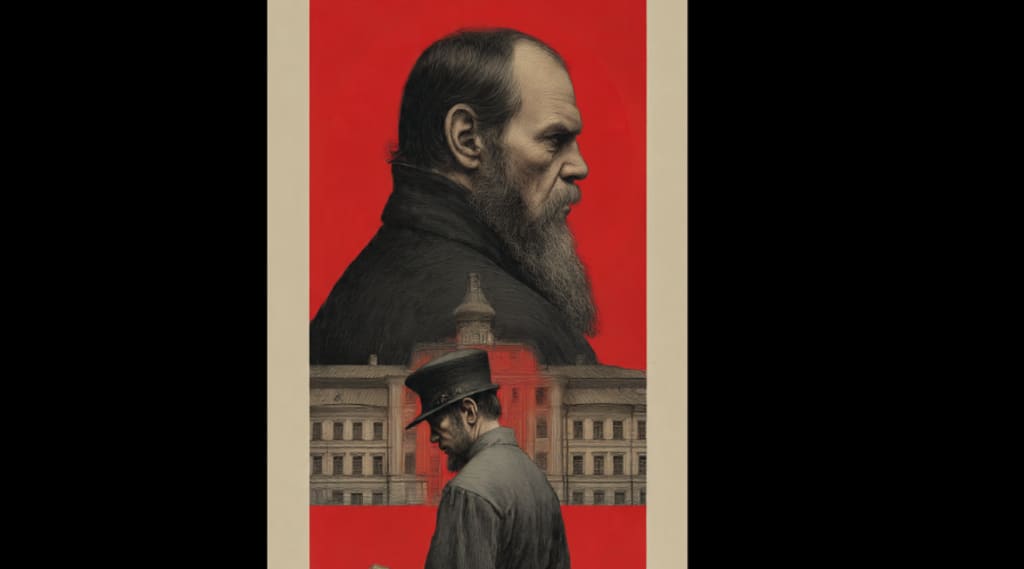
Discover the most famous crime and punishment stories in literature, from Dostoevsky's masterpiece to modern classics that explore morality and justice.
Look, I'm not going to sugarcoat it—there's something deeply fascinating about watching fictional characters commit terrible acts and then wrestle with the aftermath. Maybe it's the voyeuristic thrill of watching someone else's moral compass spin wildly out of control, or perhaps it's the comfort of exploring humanity's darkest impulses from the safety of our reading chairs. Either way, crime and punishment stories in literature have captivated us for centuries, and honestly? They're not going anywhere.
You've probably found yourself at 2 AM, unable to put down a book because you need to know whether the protagonist will face justice, find redemption, or spiral further into darkness. I've been there. We all have. These stories tap into something primal—our obsession with justice, our fear of consequences, and our morbid curiosity about what drives someone to cross that irreversible line.
So buckle up. We're about to dive into the most famous crime and punishment stories in literature that have shaped how we think about guilt, morality, and the price we pay for our choices.
The Godfather of Them All: Dostoevsky's Masterpiece
What is the central theme of Fyodor Dostoevsky's "Crime and Punishment"?
Let's start with the heavyweight champion. When people think about famous crime and punishment stories in literature, Dostoevsky's 1866 novel "Crime and Punishment" usually tops the list—and for good reason.
The central theme? It's all about psychological torment and moral redemption. Raskolnikov, our troubled protagonist, isn't your typical criminal. He's a broke ex-student who murders an elderly pawnbroker, convinced he's some kind of extraordinary man above conventional morality. Spoiler alert: he's not, and the guilt absolutely demolishes him.
What makes this book brilliant isn't the crime itself—it's what happens after. Dostoevsky spends hundreds of pages inside Raskolnikov's deteriorating mind, showing us how the weight of guilt can be more punishing than any prison sentence. The central theme explores whether redemption is possible through suffering and confession, and whether intellectual justifications for immoral acts can ever truly silence our conscience.
Why It Still Matters:
It invented the psychological crime thriller
It asks uncomfortable questions about who deserves to live and die
It proves that punishment isn't always external—sometimes the worst prison is your own mind
Book Recommendation: Crime and Punishment by Fyodor Dostoevsky remains essential reading. Grab the translation by Richard Pevear and Larissa Volokhonsky—it captures the raw intensity better than older versions.
Beyond Dostoevsky: Other Literary Titans of Crime
Shakespeare's Blood-Soaked Masterclass
You can't discuss famous crime and punishment stories in literature without mentioning the Bard. "Macbeth" is basically a case study in how ambition and murder will absolutely wreck your life. Macbeth kills the king, gets the crown, and then watches everything fall apart while hallucinating bloody daggers and getting zero sleep. His wife Lady Macbeth? She sleepwalks around trying to wash imaginary bloodstains off her hands before dying of guilt-induced madness.
The punishment here isn't a trial or execution—it's psychological disintegration. Shakespeare understood that guilt is a parasite that eats you from the inside out.
Truman Capote's "In Cold Blood"
Now, if you want something that'll keep you up at night for entirely different reasons, Capote's "In Cold Blood" blurs the line between fiction and reality. This 1966 masterpiece chronicles the brutal murder of the Clutter family in Kansas and the subsequent capture and execution of the killers.
What makes this one of the most famous crime and punishment stories in literature? Capote doesn't just document the crime—he humanizes the murderers. You find yourself uncomfortable with how much empathy you feel for Perry Smith and Dick Hickock, even as you're horrified by their actions. It's messy, morally complicated, and absolutely riveting.
Albert Camus and The Absurdity of Justice
"The Stranger" gives us Meursault, possibly literature's most frustrating protagonist. He kills a man almost accidentally on a beach, shows zero remorse, and gets executed more for being emotionally detached at his mother's funeral than for the actual murder.
Camus uses this story to explore the absurdity of justice systems and societal expectations. Sometimes punishment isn't about the crime—it's about not fitting into society's narrow definition of "normal."
The Evolution: Modern Takes on Crime and Consequences
Patricia Highsmith's "The Talented Mr. Ripley"
Here's where things get interesting. Tom Ripley commits murder, assumes someone else's identity, and... gets away with it. Completely. Highsmith created one of literature's most charming sociopaths, and across five novels, we watch him live a glamorous European life funded by fraud and occasional murder.
This is one of those famous crime and punishment stories in literature that challenges our assumptions. What happens when there's no punishment? When evil is rewarded? It's deeply unsettling and absolutely compelling.
Gillian Flynn's "Gone Girl"
Modern audiences got their minds blown by this twisted tale of marriage, murder (sort of), and manipulation. Amy Dunne commits literary crimes that are almost admirable in their complexity—framing her husband for murder, faking her own death, actually committing murder, and then... winning.
Flynn's contribution to famous crime and punishment stories in literature is showing us that in our media-saturated world, controlling the narrative can be more powerful than any weapon.
About the Creator
AJ CRYPTO
Storyteller, content creator, and lover of all things digital. Writing my journey, one post at a time."
"Sharing tips on finance, health, and motivation. Passionate about SEO and affiliate marketing. Let's connect!"
The Ephrata Man Who Collected Death: A Profile of Jonathan Gerlach
The Mask of Normalcy To the residents of Ephrata Borough, Jonathan Christ Gerlach was just the guy at 100 Washington Avenue. He was 34 years old. He drove a silver Toyota RAV4. He paid his taxes. There were no red flags on the exterior of his property. The lawn was cut. The siding was clean. In a town obsessed with "curb appeal," Gerlach was a model citizen.
By Sunshine Firecracker5 days ago in Criminal
For Survivors of Assault and Battery: When to Call the Police and Why It Matters
Calling the police in a moment of danger can be one of the most important decisions a person makes. Although it doesn't solve every problem and may not be the right choice in every situation, when safety is at risk, involving law enforcement can be the most effective way to prevent further harm and create the legal foundation needed for restraining orders, criminal charges, and civil claims.
By jason escoto2 days ago in Criminal




Comments
There are no comments for this story
Be the first to respond and start the conversation.