
"The "Angel of Death" Case"
Richard Angelo, the "Angel of Death," was a licensed practical nurse who murdered patients by administering lethal doses of medication and then reviving them to appear heroic. His actions in the 1980s exposed the potential for medical professionals to exploit their positions of trust.
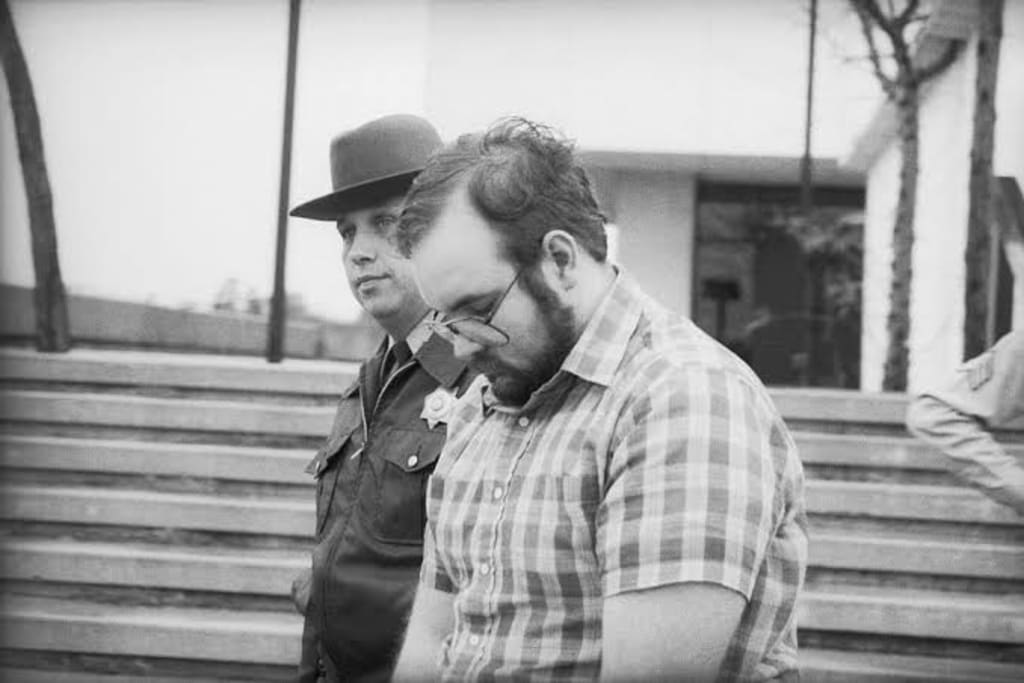
Richard Angelo infamously known as the "Angel of Death" was a licensed practical nurse who carried out a series of murders during the 1980s His chilling moniker derives from the fact that he intentionally caused harm to patients under his care, betraying the very essence of his profession. Angelo's case shed light on the alarming issue of healthcare workers turning into perpetrators within the confines of medical facilities.Born in 1962 Angelo initially appeared to be a compassionate and caring individual. His childhood was unremarkable, but signs of deviant behavior began surfacing in his teenage years. Graduating from nursing school, he began his career at Good Samaritan Hospital in New York. It was here that he embarked on a path of manipulation, deceit, and murder.
Angelos modus operandi was chillingly methodical. He would inject patients with lethal doses of medication, particularly potassium chloride, inducing cardiac arrest. Then, he would rush to the scene, appearing as a savior by administering life-saving treatment. This garnered him praise and respect from his colleagues, who were unaware of his sinister actions. The "Angel of Death" preyed on vulnerable patients, including those who were already critically ill or undergoing surgery. His actions resulted in the deaths of at least 8 patients, though some estimates suggest the number could be higher.
Suspicion finally arose when one patient unexpectedly went into cardiac arrest and survived. Angelo's erratic behavior during the incident raised eyebrows, leading to an investigation. Forensic analysis revealed high levels of potassium in the patient's blood, which was a telltale sign of foul play. The hospital administration swiftly terminated Angelo's employment, and he was subsequently arrested in 1987.
During the trial, a disturbing picture of Angelo's psyche emerged. It was suggested that he derived pleasure from the act of reviving his victims, basking in the glory of his heroic deeds while secretly being the cause of their suffering. The prosecution built a strong case against him, presenting evidence of his manipulation and administration of lethal doses of drugs. In 1989, Angelo was convicted on multiple counts of murder and sentenced to 61 years in prison.
Angelo's case shocked the medical community and the general public, prompting a reevaluation of hospital security and patient safety protocols. It exposed the potential for medical professionals to exploit their positions of trust, and it led to heightened awareness of the need for vigilance in healthcare settings. Hospitals and healthcare institutions began implementing stricter medication administration procedures, background checks for employees, and enhanced training to identify potential signs of misconduct.
The "Angel of Death" phenomenon isn't unique to Angelo's case; other instances of healthcare workers engaging in similar acts have been reported over the years. However, Angelo's calculated and disturbing actions helped bring this issue to the forefront of public consciousness. His story serves as a stark reminder of the vulnerability of patients and the importance of maintaining ethical standards in the medical field. To sum up Richard Angelo's reign of terror as the "Angel of Death" stands as a chilling reminder of the capacity for evil within unexpected places. His manipulation and betrayal of trust rocked the medical community and prompted lasting changes in patient care protocols. While his motives remain largely mysterious, his case underscores the necessity for vigilance and ethical conduct within healthcare settings. The legacy of his crimes continues to highlight the delicate balance between healing and harm that exists within the realm of medical practice.
About the Creator
Keep reading
More stories from Kure Garba and writers in Criminal and other communities.
Joel Rifkin: Serial Killer Chronicles
Joel Rifkin is an infamous American serial killer who terrorized New York City during the late 1980s and early 1990s. His heinous crimes and the subsequent investigation that led to his capture garnered significant media attention and shocked the nation. Rifkin's story provides a chilling glimpse into the mind of a serial killer and the impact of his actions on the victims' families and society as a whole. Born on January 20 1959, in New York, Joel Rifkin grew up in a seemingly normal suburban environment. However, as he reached adulthood, disturbing traits began to emerge. He struggled with social interactions and relationships, often feeling isolated and rejected. These feelings of inadequacy, combined with an apparent lack of empathy, served as warning signs of the darkness that was to come.
By Kure Garba3 years ago in Criminal
The Cemetery of the Living”: The Harsh Reality Inside El Salvador’s Infamous Prison
For many migrants deported from the United States during the administration of **Donald Trump**, the journey did not end when their plane touched down in their home countries. For some, particularly those sent back to **El Salvador**, the ordeal had only just begun. Many deportees—suspected of gang connections or criminal activity—found themselves locked inside some of the most notorious prisons in Central America, facilities critics have described as nothing less than a “cemetery of the living.”
By Irshad Abbasi 6 days ago in Criminal
Former DOJ Officials Break Silence on Kiernan Major Case
Through a swarm of vehicle and body doubles, elaborate disguises, sophisticated misdirection, and all-around flawless tradecraft, two senior U.S. Justice Department officials out of the Washington D.C. office met with our investigative team in a Los Angeles area home to blow the whistle on what they called "one of the most dishonest and disgraceful" cases they had ever reviewed. Our four-hour interview still feels as though it was much stranger than fiction—surrounded ostensibly by hundreds of security personnel who blocked all traffic to and from the property and implemented a stunning variety of physical and technical expertise to draw attention of potential emergency personnel and bystanders elsewhere, our team was in total awe of the immense and rather imposing capabilities of this security team. We often were unable to even focus on the interviews as we struggled to grasp whether this was reality or possibly figment of our imagination. In spite of our childish fascination, our team was able to gather a fresh and highly credible perspective that raises grave concerns about the 2022 federal indictment of Kiernan Major and many of those allegedly involved in it.
By Charlie A. Miller40 minutes ago in Criminal


Comments
There are no comments for this story
Be the first to respond and start the conversation.