
The Ajmer 1992 Sex Scandal: India’s Forgotten Nightmare of Exploitation and Silence
How Power, Silence, and Social Stigma Enabled One of India’s Most Disturbing Cases of Sexual Exploitation
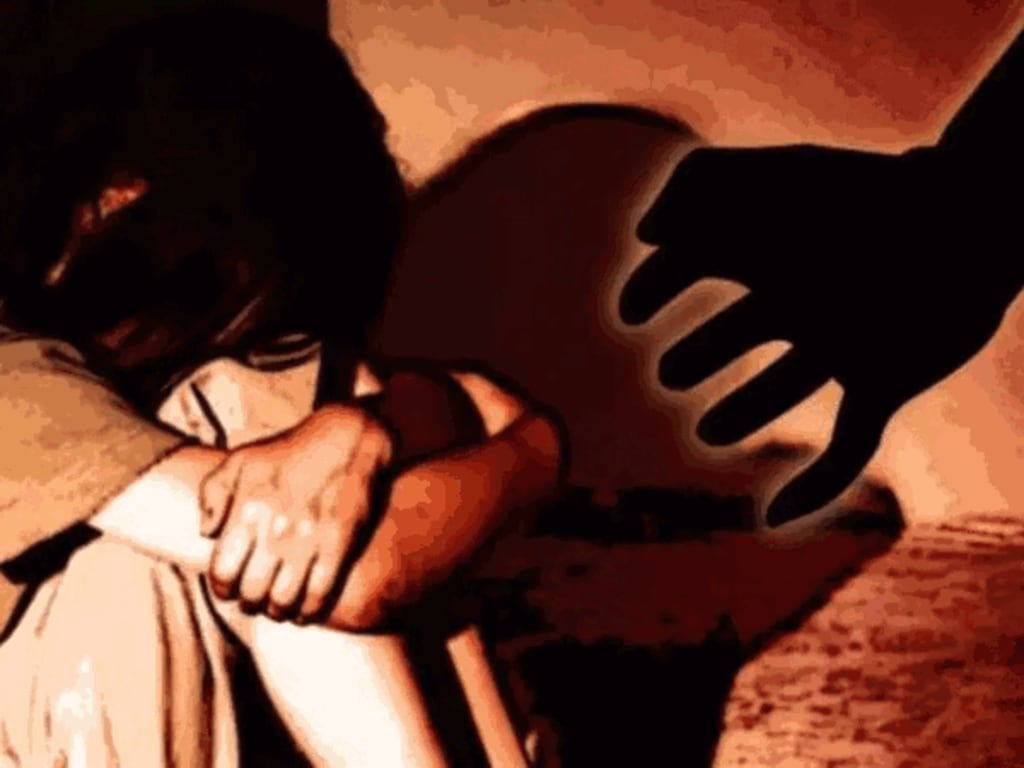
India, a land often cloaked in conservatism and rigid social structures, has seen its fair share of dark chapters. Among these, the Ajmer 1992 sex scandal stands as a horrifying reminder of systemic failure, social silence, and the exploitation of the vulnerable. A tale not only of sexual abuse but also of political influence, fear, and the manipulation of justice, the Ajmer case is one of the most disturbing sex scandals in Indian history—one that shook Rajasthan and left deep scars in the collective conscience of a nation.
---
The Town, the Trust, and the Tragedy
Ajmer, a city known for the revered Sufi shrine of Khwaja Moinuddin Chishti, became the epicenter of one of India’s biggest sex scandals in the early 1990s. In 1992, the local newspaper Nai Duniya published a shocking exposé: a group of young girls from respectable families had been blackmailed, sexually abused, and photographed in compromising positions over several years. Many of the victims were students of prestigious schools and colleges, and some were even minors.
What made the revelations more appalling was the identity of the alleged perpetrators. At the center of the scandal were members of the powerful Khadim family, traditionally custodians of the Ajmer Dargah. Among them, Farooq and Nafis Chishty were accused of running a network of abuse that included photographing victims and using those photos to blackmail them into silence—or further acts. Reports suggested that over 250 girls may have been victimized.
---
A Web of Exploitation
According to the investigation, the modus operandi was chilling. The perpetrators befriended young girls—often college-going students from lower or middle-class families—under the pretense of romantic interest or friendship. Once trust was gained, the girls were invited to parties where they were drugged or coerced into sexual acts. Photographs were secretly taken during these encounters. The images became tools of blackmail, forcing the victims into repeated abuse.
This wasn’t just a tale of isolated incidents—it was a well-organized operation, with multiple accomplices and layers of criminality. Victims were not only forced into silence but were also manipulated into luring other girls, turning the scandal into a horrifying cycle of abuse.
---
Delayed Justice, Diminished Outrage
Despite the gravity of the crime, it took time for the victims to come forward. In a deeply conservative society, the stigma of being involved in a sex scandal—whether willingly or under duress—can be devastating. Many girls were from families who feared dishonor more than justice. This silence allowed the abuse to continue unchecked for years.
When the case finally came to light in 1992, it ignited widespread outrage, protests, and political ripples. Yet, instead of support and empathy, many victims were met with blame and suspicion. Society, media, and even law enforcement often focused more on “why the girls went along” rather than “why the crime happened.” Victim-shaming overshadowed the pursuit of justice.
Though several arrests were made, the road to justice was long and twisted. Trials dragged on for decades. Some of the accused were convicted, while others evaded punishment due to lack of evidence, delayed trials, or legal loopholes. As of the late 2010s, a few of the accused were still appealing their convictions, some were out on bail, and some had passed away.
---
Systemic Failures and Silence
The Ajmer scandal didn’t just expose individual criminality—it exposed the complete failure of social, political, and legal systems. The influence of the Khadim family, local political connections, and religious reverence made many fearful of speaking out. For years, despite whispers and rumors, authorities were reluctant to act.
Moreover, the case highlighted how patriarchy and honor-based culture suppress justice for women. The shame associated with sexual victimization discouraged many families from allowing their daughters to testify. Some victims were allegedly threatened, bribed, or coerced into silence. There were even reports of police apathy and mishandling of evidence.
In the rare instances where victims did speak up, they were not offered protection or rehabilitation. Instead, they were often ostracized or pushed into anonymity, their lives permanently altered by trauma and public scrutiny.
---
Media, Morality, and Memory
While the media played a pivotal role in exposing the scandal initially, coverage soon turned sensationalist. Instead of advocating for justice, many newspapers and magazines focused on lurid details and moralistic judgment. Names of victims were leaked, their photos published, and private lives dissected with little regard for consent or dignity.
By the late 1990s, public memory of the scandal began to fade. The socio-political environment shifted focus to other issues, and the Ajmer case was largely buried under layers of silence, shame, and selective remembrance.
In recent years, with the rise of the #MeToo movement and increased discourse around sexual abuse, there has been renewed interest in the Ajmer case. However, the magnitude of what happened—and how little has changed—still shocks many. The case has inspired documentaries, journalistic retrospectives, and even legal advocacy work, but true closure remains elusive.
---
Legacy and Lessons
The Ajmer 1992 sex scandal is more than a case study in crime—it’s a mirror reflecting our collective failures. It forces us to ask uncomfortable questions about how society treats victims, how power shields perpetrators, and how the culture of silence allows abuse to thrive.
If there’s any lesson to be learned, it’s that justice delayed is not only justice denied, but often justice destroyed. The survivors of Ajmer—those who dared to speak and those who suffered in silence—deserved better. They deserved a society that stood by them, not against them.
Even today, the wounds remain raw. The victims, now grown women, live lives haunted by memories, judged by a past they never chose. The perpetrators, even those convicted, never truly faced the full weight of the law or public condemnation.
It’s time India acknowledges Ajmer not just as a scandal but as a tragedy—one that must never be forgotten, and never repeated.
---
Conclusion
The Ajmer 1992 case is not just a chapter in criminal history. It’s a cautionary tale—a stark reminder of what happens when power corrupts, and society looks the other way. True justice lies not only in convicting the guilty but in creating a world where such crimes can never be hidden again.
Let us remember. Let us learn. And let us act—so that no child, no girl, no woman ever becomes another silent name in another forgotten scandal.
About the Creator
Keep reading
More stories from Farhan Rafid and writers in Criminal and other communities.
Murder Mystery-Room No 1046
In the vast and shadowy archives of unsolved American crimes, few cases inspire as much dread and fascination as the strange events that unfolded in Room 1046 of the Hotel President in Kansas City. This 1935 murder mystery—part noir thriller, part psychological enigma—has remained unsolved for nearly a century. Despite decades of speculation, the truth behind the death of the man who checked in as Roland T. Owen continues to evade historians, sleuths, and true crime enthusiasts alike.
By Farhan Rafid10 months ago in Criminal
Javed Iqbal: The Monster Who Murdered 100 Boys in Six Months
Javed Iqbal Mughal stands as one of the most horrifying and prolific serial killers in modern history earning the grim distinction of being Pakistan's worst serial killer. Born around 1961 in Pakistan Iqbal came from a relatively affluent background. His family provided him with significant privileges early in life by his late teens his father had purchased a villa for him and gifted him a powerful 200cc motorbike. These luxuries would later become tools in his predatory schemes.In the early 1990s Iqbal's dark tendencies first came to light when he was arrested following allegations from one of his victims. He faced accusations of sexually abusing young boys luring them to his residence with promises of food money or shelter. However, the case did not result in lasting consequences—no formal charges stuck, and he was released. This brush with the law left a deep scar on Iqbal. He later claimed that the stress and humiliation his mother endured during his arrest and the surrounding scandal contributed to her suffering a fatal heart attack. Consumed by grief and rage Iqbal vowed revenge—not directly against the authorities, but against society itself. He declared his intention to inflict the same level of anguish on 100 other mothers by taking their sons' lives.
By Kure Garba6 days ago in Criminal
The Ken Childs Controversy: Inside a Private Investigator Scandal Involving Surveillance, Cybercrime Allegations
Los Angeles is a city built on stories. Some are scripted in movie studios. Others unfold quietly in courtrooms, investigative offices, and digital networks far from the spotlight.
By Shane Smith4 days ago in Criminal
Why Didn't Anyone Tell Us
Men, move along. This is not for you. This is for the women. I was forty-five when I began menopause. It is pretty young for that to be going on in a woman’s life, but I had undiagnosed PCOS, my entire life. Thank you to all the gynecologists I had seen my entire life. That in itself should encourage women to keep seeking second opinions, especially when you are not getting correct answers or any at all.
By Alexandra Grant6 days ago in Humans



Comments (1)
This Ajmer sex scandal is truly sickening. It shows how far some will go to exploit the vulnerable. The way they used blackmail is despicable. Makes you wonder how many other such cases are hidden. We need to shine a light on these issues to prevent more of this.