
The 9/11 Hate Crime Murder of a Man Thought to be Middle Eastern
People who knew Sodhi described him as a kind man

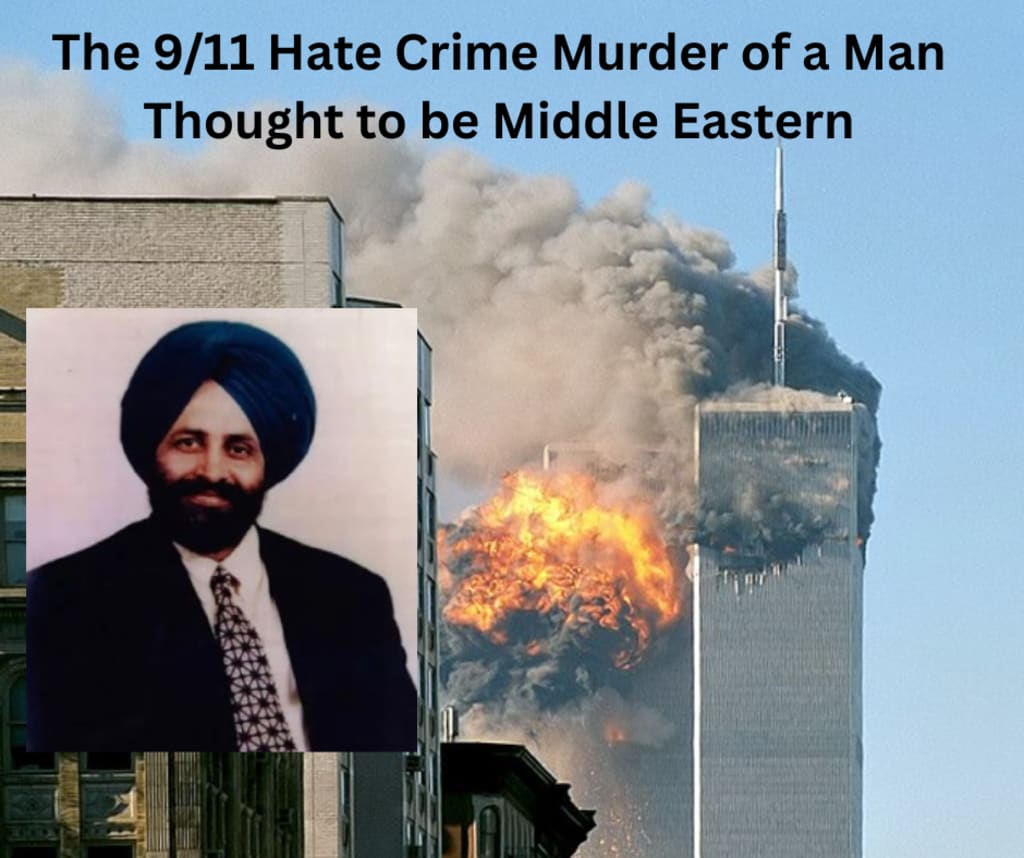
Before 9/11, Middle Easterners were mainly known to Americans only through media coverage and news headlines, often portraying Iraq's dictator, Saddam Hussein, as the face of the entire nation. Americans believed all Middle Easterners hated America, supported violence, and cared more about oil and war than human life. The coverage shaped how individuals viewed people from the region and the Muslim religion. It's safe to say a bias has always been present, which was rooted in stereotypes and misunderstandings of the culture and religion.
Life in America After 9/11
After 9/11, Americans began displaying the same hatred and suspicion they had long associated with the Middle East toward anyone wearing a hijab or turban, even outsiders like South Asians, Hindus, Arabs, and Sikhs, groups often noted for wearing these garments as part of their religious culture. These individuals "fit the description" and were categorized as evil, enemy terrorists out to destroy America.
Hate crimes against Middle Easterners in the U.S. increased by 1,600% from 2000 to 2001. FBI data shows a total of 28 hate crimes against Muslims in 2000 and 481 in 2001. Walking outside their homes became a fearful, dreaded experience as they never knew what to expect from neighbors, colleagues, and others convinced they were a threat.
Americans didn't realize, or maybe refused to accept the fact, that the people they harassed, attacked, and terrorized were as much opposed to the violence as the rest of the world.
In the days following the 9/11 terror attacks on America, people were still trying to process what had happened. We were shocked, scared, and worried. In NYC, rescuers were still recovering bodies at the World Trade Center and Pentagon.
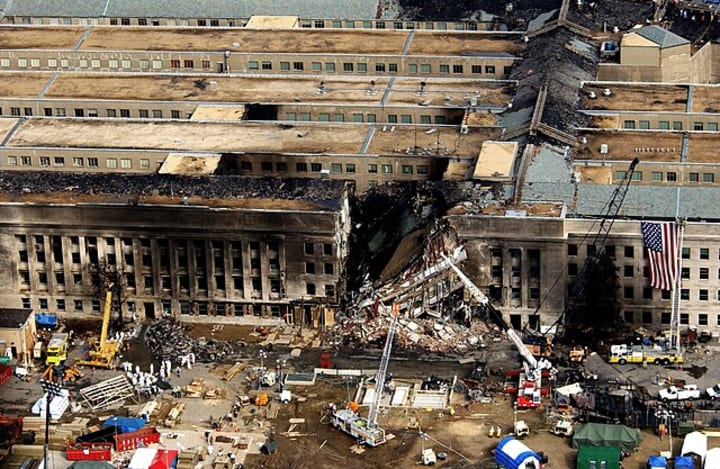
Families wondered if they'd ever see their loved ones again, while others mourned their loss. Vigils and memories were held across the country. People were looking for answers, yet they only had the unknown. Victims remained trapped in rubble and debris. Outside NYC, streets and subways were eerily quiet. People felt unsafe and burrowed inside their homes. Panic and worry of another attack filled the air with anxiety that no one could shake.
Nearly 3,00 people died on 9/11 in the terror attacks against America.
Fueled by fear and media coverage, Americans were suspicious of every brown face, hijab, and turban they encountered. They viewed them as the enemy responsible for the countless lives lost on 9/11. Hostility, accusations, threats, and violence escalated quickly.
The Murder of a Sikh Man
On September 15, 2001, as New York City and the rest of America tried to make sense of the horror in our faces, a man from Mesa, Arizona, decided to enact revenge against Muslims and Middle Easterners.
Frank Silvia Roque was a 42-year-old who, like most Americans, felt uncertainty, anger, hurt, and anxiety after the terror attacks. His paranoia toward anyone with brown skin or a turban led him to murder a Sikh man praised by his community as 'generous and kind-hearted'—a man who was not Muslim, not Middle Eastern, and posed no threat to anyone.
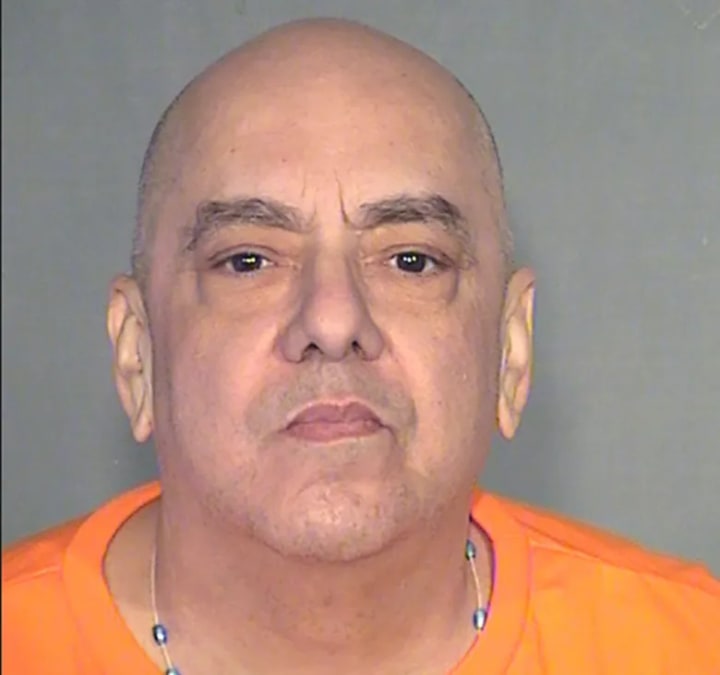
Frank gathered at a local Mesa bar where they threw down a few cold ones and discussed the week's events, although conversations centered primarily around the perceived threat they believed all Middle Easterners created in the U.S. Of course, Roque didn't know the difference between different nationalities or religions, and categorized everyone who ‘fit the description.”
Partially intoxicated, Roque allegedly told his buddies he was going to drive around and look for a “towelhead to kill.”
Roque saw Balbir Singh Sodhi planting flowers outside the gas station he owned. An Indian man of the Sikh religion, Sodhi, wore a long, bushy beard on his face and a turban on his head. He wanted a better life than he had in India, and immigrated to America looking for peace and comfort. Instead, he lost his life in a senseless act. Sodhi appeared to be from the Middle East to a man like Roque. Roque retrieved his .380 and shot Sodhi five times. He died at the scene.
Roque drove to his old house, which an Afghan family had purchased, and fired several rounds toward the home. He then drove to a Mobil gas station 10 miles down the road and shot at a Lebanese person, but missed. He then drove back to the bar and told his buddies that he caught an Arab and shot and killed him.
Murder Conviction & Sentencing
Roque was arrested the day after the shooting and charged with first-degree murder. He told police that he was a patriot and a proud American. he wanted revenge for the 9/11 terror attacks. He was convicted of first-degree murder and initially sentenced to death. His sentence was later commuted to life in prison after questions arose about his mental health.
Years before killing Sodhi, Roque had served time in prison on an armed robbery charge.
Roque died in prison in 2022 at the age of 62.
About the Creator
Criminal Matters
The best of the worst true crime, history, strange and Unusual stories.
Graphic material. Intended for a mature audience ONLY.
Follow me @ facebook.com/criminalmatterspage AND @ https://www.facebook.com/profile.php?id=61581347810331
Keep reading
More stories from Criminal Matters and writers in Criminal and other communities.
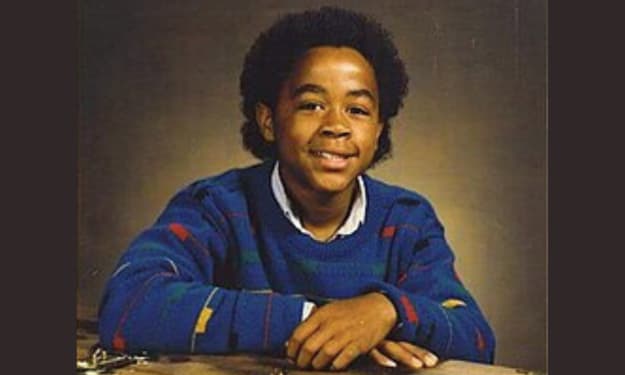
14-Year-Old Tortured, Killed by Three Racist Homeless Drifters in Nashville, Tennessee
On April 26, 1987, 14-year-old Kerrick Majors and four friends took a city bus from downtown Nashville, Tennessee, to East Nashville. The bus route took the teens down Gallatin Road. Around 7 p.m., the teens jumped off the bus when they saw a table set up with various items on the side of the road. As the teens approached, a lady yelled at them to 'leave the stuff alone.'
By Criminal Matters3 months ago in Criminal
Multinational Crisis
Part One: Nigeria You have all heard about Nigerians, Nigeria in general. The infamous scammer country. But let’s have a real conversation. Let me give you some extremely boring stats, so we are on a level playing field, on my thoughts. I’ll be as brief as possible considering, no one wants an hour long dissertation on economic issues.
By Alexandra Grant2 days ago in Criminal


Comments
There are no comments for this story
Be the first to respond and start the conversation.