
Ted Kaczynski, the 'Unabomber,' has died in prison at age 81
"Unveiling the Unabomber: The Brilliant Mind and Dark Legacy"

In a remote shack nestled deep within the rugged wilderness of Montana, a brilliant mind once burned with both brilliance and darkness. Theodore "Ted" Kaczynski, known as the "Unabomber," forged a path of destruction, leaving behind a trail of fear and tragedy that forever changed the lives of those affected.
Born on May 22, 1942, in Chicago, Ted's journey was marked by extraordinary intellect and a haunting isolation. From an early age, his exceptional mathematical prowess and academic achievements set him apart, propelling him to the hallowed halls of Harvard University at a mere sixteen years old. Yet, behind the brilliance lay a growing sense of disillusionment and despair.
Ted's descent into the abyss of his own tortured mind culminated in a chilling bombing campaign that spanned an agonizing seventeen years. In a twisted pursuit of vengeance, he meticulously crafted homemade explosives that struck universities and airlines, shattering lives and instilling terror within the nation. The Unabomber's reign of terror left three innocent souls dead and twenty-three others scarred physically and emotionally, their lives forever altered by his insidious acts.
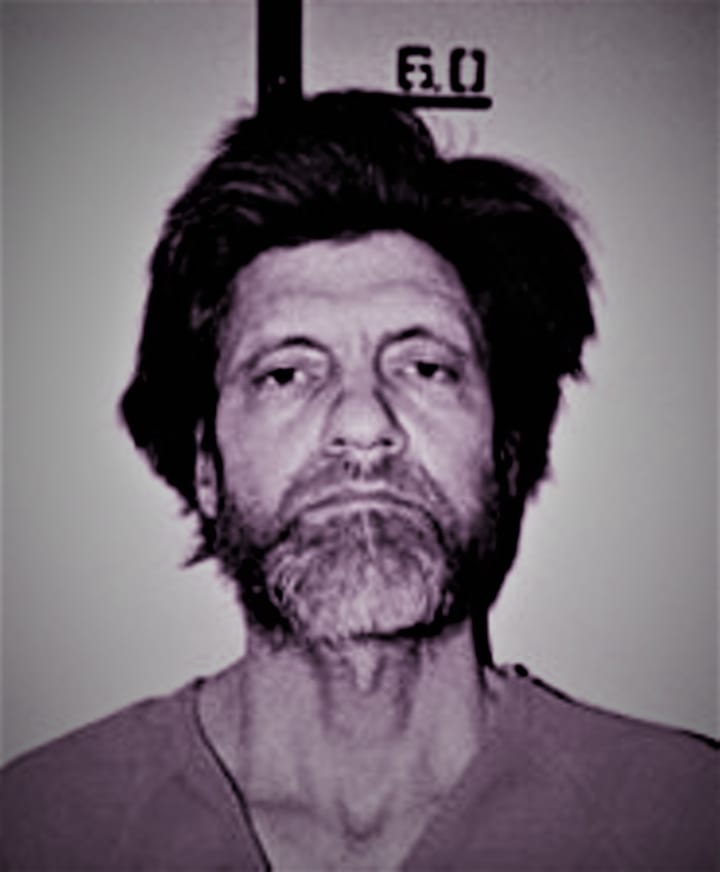
But behind the facade of a mastermind lurked a figure torn between conflicting identities. In the depths of his squalid shack, the dichotomy of the Unabomber unfolded. Initially seen as a mysterious anti-hero akin to Daniel Boone or Henry David Thoreau, the revelation of Ted's true nature exposed a lonely and pitiful figure. His isolation and long, unkempt hair belied the complex layers of his psyche—a tormented soul driven not by lofty ideals but by a desperate desire for revenge against a society he believed had wronged him.
A glimpse into Ted's written words reveals a fractured mind teetering on the edge of sanity. His delusions, predominantly of persecution by both family and society, painted a bleak portrait of a man lost in the labyrinth of his own grievances. Diagnosed as a paranoid schizophrenic by a psychiatrist who interviewed him in prison, Ted fiercely rejected the label, clinging to a fragile semblance of sanity.
The pivotal moment in the Unabomber's twisted tale arrived with the publication of his manifesto, "Industrial Society and Its Future." Its 35,000 words echoed a profound sense of powerlessness and alienation in the face of advancing technology and a rapidly changing world. The decision to publish the manifesto, compelled by authorities and made by reputable publications, marked the turning point in Ted's downfall. His own brother, David, and David's wife, Linda Patrik, recognized the chilling tone of the treatise and courageously tipped off the FBI, ending the nation's longest and costliest manhunt.
The aftermath was a bittersweet revelation for Ted's family. David, once an idolizing younger brother, found himself thrust into a nightmare of unimaginable proportions. A deep rift formed between the two siblings, forever fracturing their bond and leaving Ted harboring an eternal resentment toward David, whom he saw as a traitor.
Ted's brilliance and meticulous planning were undeniable. From his early academic achievements to the construction of his handmade bombs, each detail demonstrated a mind honed with precision. The signature "FC" on his later devices, representing "Freedom Club," became an emblem of the twisted ideology that drove him to inflict such destruction.
As we contemplate the chilling story of Theodore Kaczynski, the Unabomber, it becomes evident that despite the extreme nature of his crimes, there are important lessons to be learned that resonate with our normal lives. While most of us may never grapple with such depths of darkness, the complexities and struggles that shaped Kaczynski's path are not unfamiliar. In our own lives, we may encounter individuals who feel marginalized, disillusioned, or disconnected from society. The Unabomber's tale serves as a poignant reminder of the potential consequences when grievances go unaddressed and the importance of nurturing a sense of belonging and understanding within our communities.

One of the key takeaways from this tragic story is the significance of mental health and the need for compassionate support systems. Kaczynski's descent into isolation and the deep-seated bitterness he harbored should compel us to pay attention to the emotional well-being of those around us. It reminds us to remain vigilant, actively seeking to recognize signs of distress and offering help and empathy to individuals who may be teetering on the edge of despair. By cultivating a culture that values mental health, we can create a society where individuals feel heard, understood, and supported, reducing the likelihood of such extreme acts of violence.
Furthermore, the Unabomber's legacy prompts us to reevaluate the impact of our technological advancements on human well-being. Kaczynski's manifesto, though born out of extreme ideology, did raise valid concerns about the consequences of unchecked technological progress. In our pursuit of innovation and convenience, it is crucial to critically examine the potential societal and psychological ramifications. We must ask ourselves if we are creating a world that values genuine human connection, preserves individual autonomy, and ensures the well-being of all. By actively engaging in these conversations and advocating for responsible technological development, we can shape a future that balances progress with the preservation of our humanity.
Finally, the Unabomber's story calls for a collective reflection on our role in fostering inclusive communities. While Kaczynski's actions were driven by personal grievances, it is essential to recognize that a sense of isolation and disconnection can breed bitterness and resentment. By fostering an environment that encourages open dialogue, empathy, and understanding, we can create spaces where grievances are addressed and resolved peacefully. Building strong social networks and nurturing relationships with those around us can be a powerful antidote to the feelings of alienation that plagued the Unabomber's life.
In the end, the story of the Unabomber serves as a stark reminder of the fragility and complexity of the human experience. It compels us to examine the hidden struggles that exist within our society and prompts us to actively work towards a world that nurtures the brilliance within individuals while addressing their grievances and fostering a sense of belonging. By learning from the Unabomber's tragedy, we can strive to create a future where empathy, understanding, and mental well-being form the foundation of our interactions, ultimately building a society that is more resilient, compassionate, and united.
About the Creator
Keep reading
More stories from okanlawon kehinde and writers in Criminal and other communities.
The Chrono Guardians
In the year 2145, Earth faces an unprecedented threat - temporal anomalies disrupting crucial moments in history. To preserve the timeline, a covert organization known as "The Chrono Guardians" is formed. Among them is Agent Maya Evergreen, a brilliant historian with an unyielding determination to protect the past.
By okanlawon kehinde3 years ago in Fiction
YNW Melly’s Witness Tampering Charges Dropped Ahead Of Trial
YNW Melly’s had a long and arduous road. Does he deserve it? That’s for a jury to decide January of 2027. Meanwhile, he scored a huge legal win when one of his charges got dropped. Related to witness tampering where he allegedly told his girlfriend not to participate in the case, he got the charge dropped ahead of the upcoming trial.
By Skyler Saunders7 days ago in Criminal




Comments
There are no comments for this story
Be the first to respond and start the conversation.