
South Carolina: The Charleston Church Shooting
Most disturbing crime of every state in U.S.A.

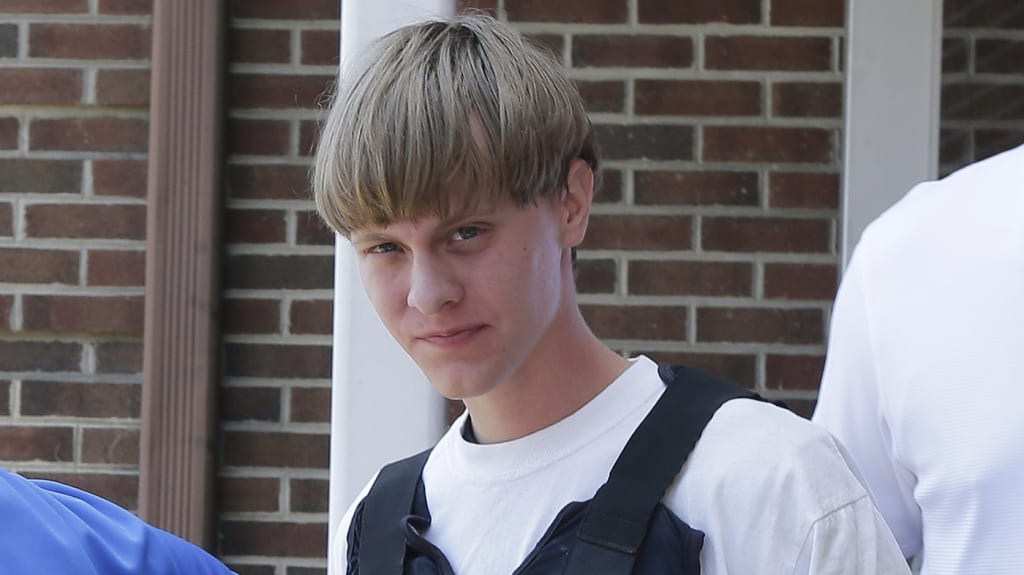
An anti-black mass shooting and hate crime occurred on June 17, 2015, in Charleston, South Carolina. Nine people were killed, and one was injured, during a Bible study at Emanuel African Methodist Episcopal Church, the oldest black church in the Southern United States. Among the fatalities was the senior pastor, state senator Clementa C. Pinckney. All ten victims were African Americans. At the time, it was the deadliest mass shooting at a place of worship in U.S. history.
On June 17, 2015, a senseless act of violence occurred at the Emanuel African Methodist Episcopal Church in Charleston, South Carolina. The shooting, which claimed the lives of nine innocent worshippers, shocked the nation and reignited conversations about race, gun control, and the importance of faith in times of crisis.
The night of June 17 was like any other for the members of Emanuel AME Church. A group of parishioners gathered for a Bible study session led by Reverend Clementa Pinckney. However, as the evening wore on, a 21-year-old white man, later identified as Dylann Roof, entered the church and joined the group. He sat quietly for nearly an hour before suddenly opening fire on the congregation.
Nine churchgoers were killed in the attack, including Reverend Pinckney. Roof’s actions were both methodical and cold-hearted, and it was later revealed that he had targeted the church because of its historical significance to the African-American community. His motives were linked to a desire to start a race war and fuel racial tensions, making the attack both a personal act of hatred and a tragic symbol of deep-seated racial animus.
In the days following the shooting, Roof was apprehended by police without incident, and investigators quickly uncovered details that painted a disturbing picture of his views on race. Roof had posted online images of himself holding a Confederate flag and made statements about white supremacy and racial violence. His actions drew national attention to the ongoing issue of racial inequality and violence in the United States.
The shooting sent shockwaves through Charleston, a city that had long been seen as a symbol of Southern hospitality and charm. The community, however, responded with remarkable resilience and unity. Despite the profound grief and anger that followed, the families of the victims expressed forgiveness for Roof, a move that stunned the nation and was widely regarded as an example of faith and compassion in the face of unspeakable tragedy.
Roof’s trial was closely followed, and he was convicted of all charges related to the massacre. In January 2017, he was sentenced to death, and in 2019, a federal court upheld his conviction. However, the trial and its aftermath also raised difficult questions about the state of race relations in America, the role of hate speech in fueling violence, and the growing gun control debate.
The Charleston church shooting was a pivotal moment in the conversation about race and gun violence in America. In the wake of the tragedy, many advocates called for stronger gun laws and an end to the glorification of symbols tied to white supremacy. Local lawmakers pushed for the removal of the Confederate flag from public spaces, and national discussions about systemic racism gained momentum.
The victims of the Charleston church shooting were memorialized through vigils and public memorials. The Emanuel AME Church, which had long served as a beacon of strength and faith for the African-American community, became a focal point for discussions about healing and reconciliation.
The tragedy also sparked nationwide efforts to address racial inequality and violence, with many Americans finding common ground in the pursuit of justice and equality. Though the wounds left by the shooting remain fresh, the story of the Charleston church massacre has inspired ongoing efforts to build a more inclusive and just society.
About the Creator
Keep reading
More stories from Sandun Nayanajith and writers in Criminal and other communities.
Pennsylvania: The Flight 93 Tragedy
"United Airlines Flight 93 was a domestic scheduled passenger flight that was hijacked by four al-Qaeda terrorists on the morning of September 11, 2001, as part of the September 11 attacks. The hijackers planned to crash the plane into a federal government building in the national capital of Washington, D.C. The mission became a partial failure when the passengers fought back, forcing the terrorists to crash the plane in Somerset County, Pennsylvania, preventing them from reaching al-Qaeda's intended target, but killing everyone aboard the flight. The airliner involved, a Boeing 757-200 with 44 passengers and crew, was flying United Airlines' daily scheduled morning flight from Newark International Airport in New Jersey to San Francisco International Airport in California, making it the only plane hijacked that day not to be a Los Angeles–bound flight."
By Sandun Nayanajithabout a year ago in Criminal
Ken Childs and the Shadow Network Behind Celebrity Surveillance
Hollywood is no stranger to intrigue. Behind the red carpets, blockbuster premieres, and glamorous headlines lies a parallel world where privacy is fragile and information can be extremely valuable. Over the years, celebrities have faced stalkers, hackers, and fraud schemes designed to exploit their wealth and visibility. Recently, reports circulating online have drawn attention to a controversial narrative involving private investigator Ken Childs and allegations that place him near the center of a disturbing story about celebrity surveillance.
By Shane Smith7 days ago in Criminal
Murdering the love of Sarah Maguire
January 2022, it was a cold winter in Tulsa, Oklahoma, one that felt colder than most for some of us in the city. If one were to be out in the evening air of the cold, it was bone chilling to the soul. On an evening like this one who wouldn’t enjoy a good home cooked meal by someone who seemed to care about them? Right, Folks?
By Cassie Moore4 days ago in Criminal



Comments
There are no comments for this story
Be the first to respond and start the conversation.