

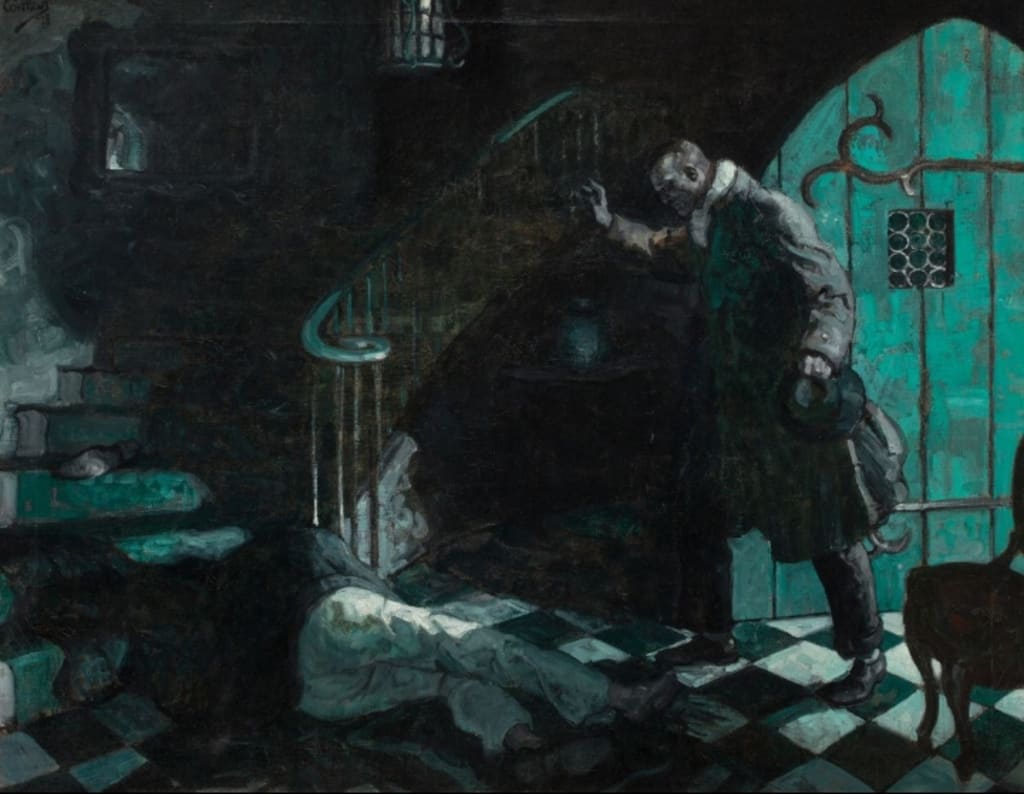
I hadn’t stepped into Aunt Rozina’s greenhouse in over a decade. When I finally did, it was one of those crisp autumn evenings where the air carried both the smell of damp soil and the quiet promise of rain. The glass panes rattled lightly in the wind, and the old hanging bulb gave off a warm, fading amber glow.
It was here, in my childhood, that I learned the patience of planting carrots, how to tell when tomatoes were truly ripe, and how basil’s scent could stick to your hands for hours. I’d always thought of this place as safe—a sanctuary of green.
But that night, the sanctuary had turned into a crime scene. My uncle lay still among the tomato vines, his cheek pressed into the soil. In his right hand, he clutched a single carrot—its bright orange dulled under a layer of dirt. The sight was surreal. A vegetable I’d always associated with care and life was now an accessory to death.
Under That Fading Light
Detective Amina arrived quietly, without the chaos you’d expect from television crime scenes. No shouting, no frantic officers—just her measured steps and calm gaze.
“He died here, in the place he loved,” she murmured, crouching to examine him. Her fingers traced the jagged edge of a broken pane in the corner, where the cold had seeped in. Small droplets of water ran down the glass like the greenhouse was crying.
I stood there, shivering, but not from the cold. There’s something about stillness after death that gets under your skin—it feels wrong, like the air is holding its breath. I remembered the last time I cried in this greenhouse. I had been slicing onions for dinner, and the tears had nothing to do with the vegetable’s sting. My uncle had just told me about a failing crop that year, and I’d felt the loss as if it were my own.
That memory made me realize something strange—vegetables, for me, were never just food. They were stories, seasons, and silent witnesses to our lives.
Digging Beneath the Soil
The forensic team found soil beneath my uncle’s fingernails, but it didn’t match the greenhouse dirt. The greenhouse soil was dark and loamy, rich from years of compost. The soil under his nails was pale, gritty, and smelled faintly metallic.
The police photographed every inch of the place. Their flashlights swept over rows of lettuce, chili plants, and the last of the summer cucumbers. In the far corner, near the compost bin, they found faint footprints—too small to be my uncle’s, but too deep to belong to a casual visitor.
The neighbor, Mr. Feroze, came by, curious. He claimed he had seen a shadowy figure lurking near the greenhouse two nights ago. “Hunched over, wearing a long coat,” he said. “They moved like they didn’t want to be seen.”
A Harvest of Secrets
The carrot in my uncle’s hand wasn’t from this greenhouse. I knew because of its size and color—it was too pale, and its tip was oddly blunt. The carrots my uncle grew were long, slender, and almost sweet to taste.
That detail might seem small, but it sparked something in my mind. Vegetables tell stories if you know how to read them. The way a carrot grows can reveal the soil type, the care given, even the season it was pulled. This carrot didn’t belong here—it was from somewhere else entirely.
Detective Amina took my observation seriously. She sent the carrot for testing, along with the foreign soil under my uncle’s nails. The results revealed they matched a small patch of land near the riverbank—a place my uncle hadn’t visited in months.
The Bitter Root
It turned out my uncle had been in a dispute with someone over that riverbank plot. It wasn’t about money—it was about seeds. My uncle had been testing a rare heirloom carrot variety, one he believed could grow even in poor soil. But someone had stolen the seeds, claiming them as their own.
The evidence began to stack up. Security footage from a nearby farm supply store showed a man buying gloves and a spade two nights before the murder. The gloves matched the fibers found on the carrot. The man was identified as Naveed, a former farmhand who had worked briefly for my uncle but left after an argument.
The Night It Happened
Under questioning, Naveed admitted he went to confront my uncle that night. The plan, he claimed, was only to scare him—make him give up his claim on the rare carrots. But when tempers rose, he shoved my uncle. My uncle fell, hitting his head on the greenhouse bench. Panicking, Naveed picked up a carrot from his own stolen stash and placed it in my uncle’s hand, hoping to make the death look strange enough to confuse investigators.
He didn’t count on someone like me knowing the difference between a carrot grown with care and one pulled from greed.
The Finally Fleeting Light
A week later, I stood in the greenhouse again. The crime scene tape was gone. The air was damp and still, the plants heavy with dew. The broken pane had been repaired, but the light inside felt different now—less warm, more aware of the world’s shadows.
I crouched and pulled a carrot from the soil. Its color was deep orange, its shape imperfect but honest. Holding it in my hands, I thought about how life grows slowly, how roots hold on even when the surface is disturbed.
The carrot wasn’t morbid anymore. It was a reminder—of patience, of care, and of how even the smallest details can uncover the darkest truths.
Reflection
This story draws from my own childhood experience of gardening, kneeling in the soil, and feeling the rhythm of growth. Vegetables might seem like humble things, but they carry the history of the hands that plant them. That’s why, in this crime, a single carrot was more than a prop—it was the key to the truth.
About the Creator
Sherooz khan
I write emotional stories, real-life experiences, and motivational thoughts that touch the heart and mind. Follow me for content that inspires, connects, and makes you feel seen, heard, and understood. Let’s tell stories that matter.
Keep reading
More stories from Sherooz khan and writers in Criminal and other communities.
From Tea Stall to Business Tycoon: The Story of Narayana Murthy
Success doesn’t always start with big opportunities—it often begins with small acts of courage. This is the story of Narayana Murthy, the founder of Infosys, who built one of the world’s largest IT companies starting from nothing but a dream, grit, and a belief in doing the right thing.
By Sherooz khan7 months ago in Motivation
What Legal Rights Do Families Have in Alabama Wrongful Death Cases?
The sudden death of a loved one is an experience that can be hurtful to any family. The emotional and financial consequences of a loss may be even more significant when caused due to the negligence of another person or the wrongdoing committed by another person. In such cases, the law gives a means of justice to the families by the wrongful death case.
By Deborah Larsona day ago in Criminal


Comments
There are no comments for this story
Be the first to respond and start the conversation.