
Ruben Cantu's Controversial Execution
Ruben Cantu, convicted and executed in Texas for a 1984 murder, faced later scrutiny due to doubts about witness testimony accuracy.
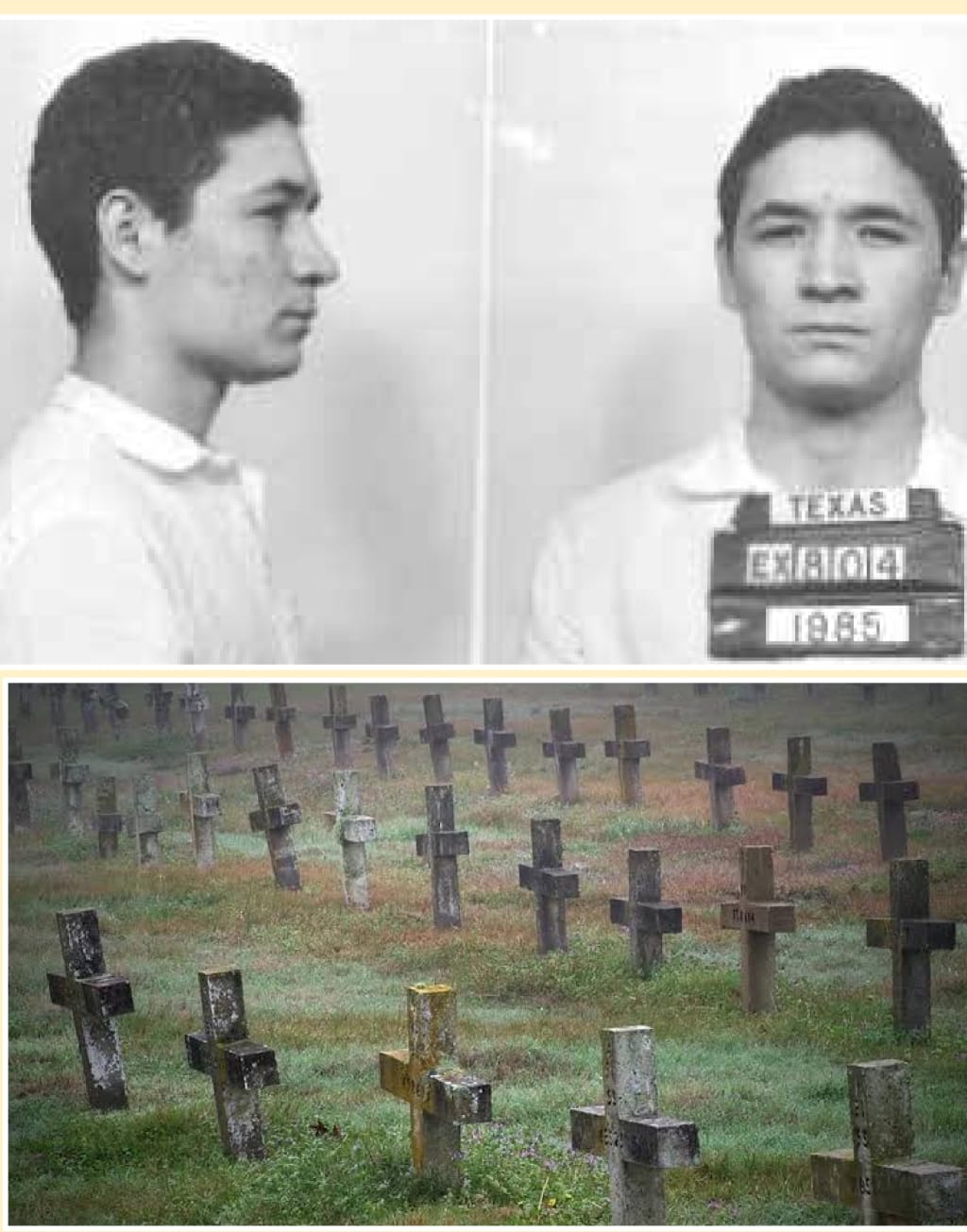
The case of Ruben Cantu, a Texan who was convicted and subsequently executed for a 1984 murder, stands as a stark example of the potential flaws in the criminal justice system. Cantu's case drew significant attention due to concerns about the accuracy of witness testimony, casting doubts on his guilt and raising questions about the fairness of his trial.
In 1985, Ruben Cantu was found guilty of the murder of Pedro Gomez in San Antonio, Texas. The prosecution's case primarily relied on the testimony of a lone eyewitness, Juan Moreno, who identified Cantu as the shooter. Despite Cantu's repeated claims of innocence, he was convicted and sentenced to death. His execution took place in 1993, making him one of the youngest individuals to be put to death in Texas in recent memory.
However, as time passed, serious doubts emerged regarding the reliability of the eyewitness testimony that had sealed Cantu's fate. Juan Moreno, the key witness, recanted his testimony in 1993, just days before Cantu's execution. Moreno stated that he had been coerced by the police into identifying Cantu as the perpetrator and providing false testimony. He asserted that he had not actually seen the shooter's face during the crime and had only identified Cantu under pressure.
This revelation ignited a firestorm of controversy and led to renewed calls for a reexamination of Cantu's case. The Texas justice system faced criticism for allowing a death sentence to proceed based on testimony that had been recanted by the witness. Many believed that Cantu's execution was a tragic miscarriage of justice, highlighting the potential dangers of relying solely on eyewitness testimony.
In the years following Cantu's execution, efforts were made to investigate the circumstances surrounding his case. Journalists, activists, and legal experts collaborated to uncover evidence and testimonies that raised further doubts about Cantu's guilt. The Texas Monthly magazine published a comprehensive investigation in 2005 that delved into the case, revealing discrepancies and inconsistencies in the prosecution's narrative.
Despite these doubts, some individuals, including law enforcement officials involved in the case, continued to stand by Cantu's conviction. They argued that the evidence against him, including eyewitness testimony and statements made by co-defendants, was still substantial enough to support the guilty verdict. However, the growing body of evidence suggesting that Cantu may have been wrongly convicted and executed kept the controversy alive.
The Ruben Cantu case catalyzed broader discussions about the criminal justice system's reliance on eyewitness testimony and the potential for wrongful convictions. It prompted calls for reforms in how such evidence is gathered, presented, and evaluated in court. The case also fueled debates about the use of the death penalty and whether its irreversible nature could lead to grave miscarriages of justice.
Ultimately, the legacy of Ruben Cantu's case is a complex one. While his execution shed light on issues such as police coercion, flawed witness testimony, and the potential risks of capital punishment, it also highlighted the difficulties of revisiting cases posthumously. His story underscores the importance of a fair and just legal system that prioritizes accuracy and safeguards against the possibility of innocent lives being lost.
In conclusion, Ruben Cantu's conviction and execution in Texas for a 1984 murder brought to the forefront concerns about the reliability of eyewitness testimony and the potential for wrongful convictions. The subsequent doubts and controversies surrounding his case ignited discussions about the flaws within the criminal justice system, prompting calls for reforms and reevaluation of the death penalty. Cantu's story serves as a reminder of the profound impact that the pursuit of justice, or the lack thereof, can have on the lives of individuals and the broader society.
About the Creator
Keep reading
More stories from Kure Garba and writers in Criminal and other communities.
Rodney Reed: Wrongful Conviction
The case of Rodney Reed, a man convicted of the 1996 murder of Stacey Stites in Bastrop, Texas, has captured national and international attention due to persistent doubts about his guilt and the emergence of new evidence pointing towards his potential innocence. Over the years, Reed's case has become a stark example of the complexities and flaws within the criminal justice system.
By Kure Garba3 years ago in Criminal
He Confessed to Murder in My DMs: The Dark Side of Going Viral
When your most-liked story becomes someone else's confession booth The message came in at 2:13 a.m. I saw the notification glow on my nightstand, that soft blue light that usually means spam, or a heart emoji, or someone asking, “Did this really happen?”
By abualyaanart6 days ago in Criminal
The 1995 Oklahoma City Bombing
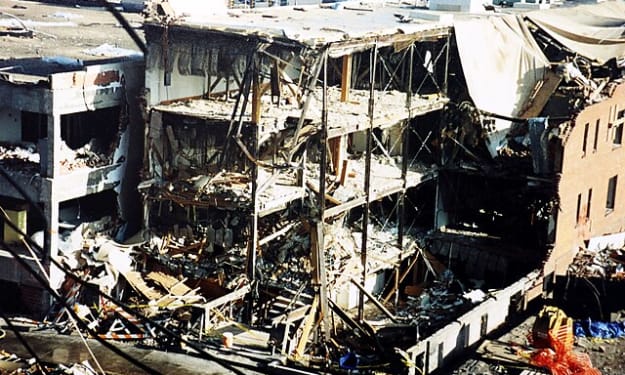
Terrorism and mass shootings no longer shock most Americans. We've heard and seen it all before, more than a few times. Nowadays, we scroll past the post or flip the TV channel without much thought. Perhaps terror attacks are so common that we expect them. We aren't surprised. It hasn't always been this way. There was a time when terror attacks and mass shootings rarely happened. Those rare events shocked people to their core. It left them fearful, yet communal, ready to come together for the betterment of our country.
By Criminal Matters5 days ago in Criminal
A Historic Declaration
We the People of the Husbands of the United States of America, in Order to form a more perfect Union, and I mean you...with me...establish Justice, insure domestic Tranquility, provide for the common defence, promote the general Welfare, and secure the Blessings of Liberty to ourselves, after Puberty, do ordain and establish this Declaration of Co-Dependence.
By Gerard DiLeo5 days ago in Humans


Comments
There are no comments for this story
Be the first to respond and start the conversation.