
Revenge
you or someone bullied a person tommorow your turn to be bullied


Revenge is a complex and powerful human emotion that has been a driving force in human history and literature. It is a desire to inflict harm or punishment on someone who has wronged us, and it can be motivated by a variety of factors, including a sense of justice, a desire for power or control, or a need for validation. While seeking revenge can provide a temporary sense of satisfaction, it can also have long-lasting and negative consequences for both the person seeking revenge and the target of their anger.
The desire for revenge is a natural human response to perceived injustices or wrongs. When we feel that we have been wronged, we may feel a strong urge to retaliate and restore a sense of balance or justice. Revenge can take many forms, from verbal and physical aggression to more subtle forms of sabotage or manipulation. However, revenge is not always a rational response, and it can be driven by intense emotions such as anger, resentment, or hatred.
One of the dangers of revenge is that it can escalate conflicts and perpetuate cycles of violence. When we seek revenge, we often view the other person as an enemy, and we may become obsessed with the desire to hurt them. This can lead to a cycle of revenge, as the other person responds in kind, and the conflict spirals out of control. Revenge can also have unintended consequences, as the person seeking revenge may end up harming themselves or others in the process.
In addition to the immediate risks of revenge, seeking revenge can also have long-term consequences for our mental health and well-being. When we are consumed by a desire for revenge, it can be difficult to focus on anything else, and we may find ourselves becoming isolated or withdrawn. Revenge can also lead to feelings of guilt or shame, particularly if we engage in behavior that is harmful or illegal.
One of the ways to break the cycle of revenge is to focus on forgiveness and empathy. While forgiveness can be difficult, it can also be a powerful way to move past feelings of anger and resentment. Forgiveness does not mean forgetting or excusing the other person's behavior, but it does mean letting go of the desire for revenge and choosing to move forward with a sense of peace and understanding. Empathy is also essential, as it allows us to see the other person's perspective and understand their motivations, which can help us find common ground and resolve conflicts in a peaceful way.
Another way to break the cycle of revenge is to seek support from others. When we are consumed by anger and resentment, it can be difficult to see things clearly or make rational decisions. Seeking support from friends, family, or a mental health professional can help us gain perspective and find healthy ways to cope with our emotions.
In conclusion, revenge is a powerful and complex human emotion that can have both short-term and long-term consequences. While seeking revenge may provide a temporary sense of satisfaction, it can also perpetuate cycles of violence and have negative impacts on our mental health and well-being. Choosing to focus on forgiveness, empathy, and seeking support from others can help us break the cycle of revenge and move forward with a sense of peace and understanding.
Revenge has been a common theme in poetry for centuries. Poets have explored the complex emotions and motivations behind revenge, from the desire for justice to the destructive nature of vengeance. Through their words, poets have given voice to the human experience of seeking revenge and the consequences that follow.
One of the most famous examples of revenge in poetry is Shakespeare's "Hamlet." The play explores the story of a prince who seeks revenge against his uncle for murdering his father. The play delves into the psychological complexities of revenge, as Hamlet grapples with his desire for justice and his fears of the consequences of his actions.
Another famous example of revenge in poetry is John Milton's "Paradise Lost." The epic poem explores the story of Satan's rebellion against God and his subsequent desire for revenge. The poem delves into the destructive nature of revenge, as Satan's desire for vengeance leads to his downfall and the destruction of his fellow fallen angels.
In addition to these classic works, contemporary poets continue to explore the theme of revenge in their writing. For example, in "The Waste Land," T.S. Eliot explores the destructive nature of revenge and its impact on society. The poem presents a bleak picture of a world consumed by violence and conflict, suggesting that revenge only leads to further destruction and despair.
Similarly, Sylvia Plath's "Daddy" explores the theme of revenge in the context of personal relationships. The poem explores the narrator's desire to seek revenge against her father for the emotional pain he caused her, while also grappling with the complexities of their relationship.
Through their words, poets have explored the complex emotions and motivations behind revenge, as well as the destructive nature of vengeance. Whether exploring revenge in the context of personal relationships or larger societal conflicts, poetry has provided a powerful medium for exploring this universal human experience. Ultimately, the works of poets continue to remind us of the consequences of revenge and the importance of finding healthier ways to cope with our emotions.
Thank you for reading my page
One like and subscribe
About the Creator
Keep reading
More stories from Hamza Mustafa and writers in Criminal and other communities.
Jack the ripper
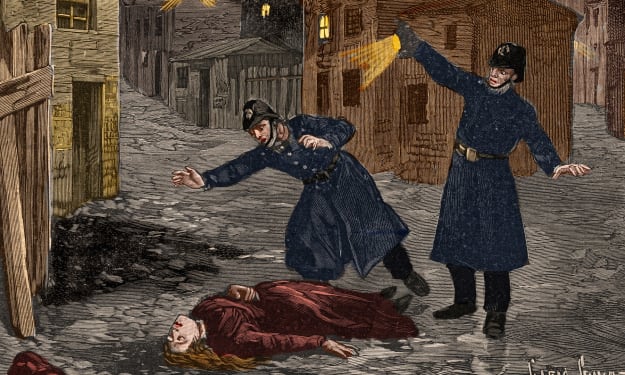
Jack the Ripper was an English serial killer. Between August and November 1888, he murdered at least five women—all prostitutes—in or near the Whitechapel district of London's East End. Jack the Ripper was never identified or arrested. Today the murder sites are the locus of a macabre tourist industry in London.
By Hamza Mustafa3 years ago in Criminal
The True Fight against Crime Begins in the Human Conscience
Every society searches for ways to fight crime through laws, institutions, and systems of justice. Yet one essential truth is often overlooked: the real battle against crime begins long before a courtroom or a police investigation.
By A.Petrovskiabout 18 hours ago in Criminal
The Impossible Prison Break - Alcatraz Escape
FBI officers were stunned. This was a prison where even if a prisoner was left out in the open, escape seemed impossible. Yet somehow, right under the noses of the authorities, three inmates managed to break out. What was even more shocking was that for nearly 10 hours, the prison authorities had no idea they were missing.
By Imran Ali Shah4 days ago in Criminal



Comments (1)
good article