
Ramzi Yousef: The Man Behind the 1993 World Trade Center Bombing
Ramzi Yousef is one of the most notorious terrorists in modern history, best known as the mastermind of the 1993 World Trade Center bombing.

A cold, calculating figure with ties to al-Qaeda, Yousef’s career as a terrorist marked the beginning of a new era of extremist violence targeting the United States.
Though less widely known than Osama bin Laden, Yousef’s actions paved the way for future attacks, including 9/11, and his story is a chilling reminder of how global terrorism evolved in the 1990s.
Early Life and Radicalization
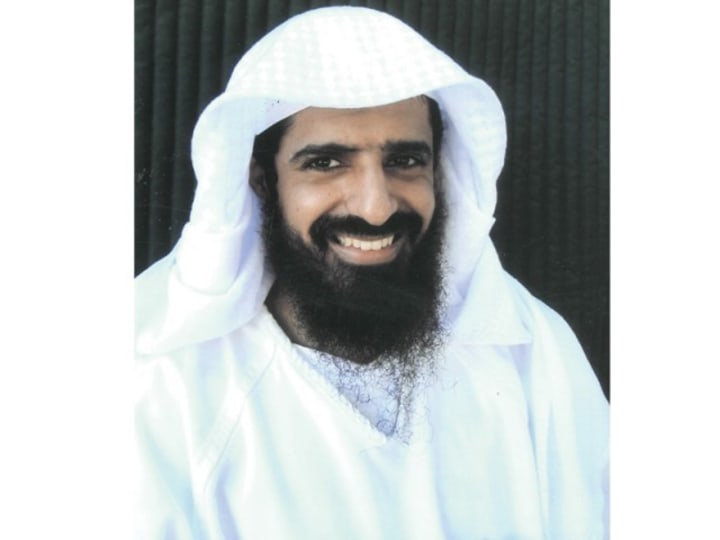
Ramzi Ahmed Yousef was born around 1968 in Kuwait to a Pakistani father and a Palestinian mother.
He grew up in the Middle East but later moved to the United Kingdom, where he studied electrical engineering in Wales.
Highly intelligent and fluent in several languages, Yousef used his technical training to design sophisticated explosives and plan large-scale attacks.
Yousef was influenced early on by radical ideologies, possibly through family ties—he is the nephew of Khalid Sheikh Mohammed, the principal architect of the 9/11 attacks.
These connections would later link him to the emerging network of jihadists that would form al-Qaeda.
The 1993 World Trade Center Bombing
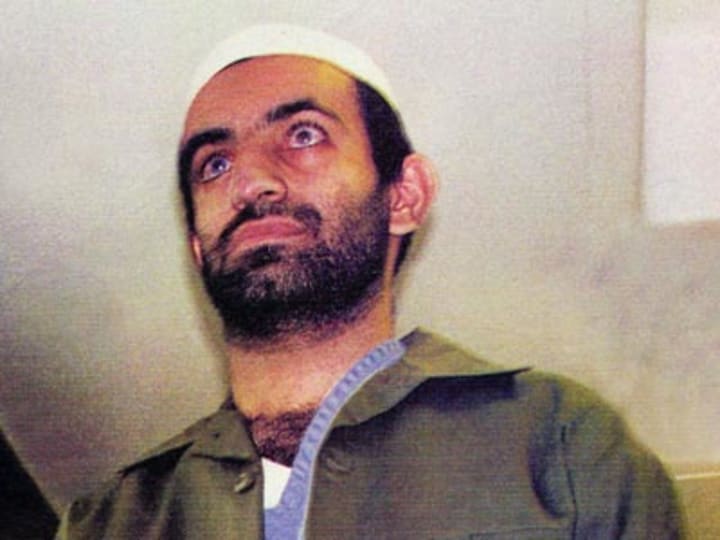
After completing his studies, Yousef traveled to Afghanistan and Pakistan, where he allegedly received terrorist training.
In 1992, he entered the United States using a fraudulent Iraqi passport and immediately began laying the groundwork for a major attack.
With the help of several co-conspirators, Yousef planned to strike at the heart of America’s financial power: the World Trade Center in New York City.
On February 26, 1993, Yousef and his associates parked a rental van loaded with a 1,200-pound urea nitrate bomb in the underground parking garage of the North Tower.
The explosion killed six people and injured over 1,000 others. It also caused massive structural damage, creating a five-story crater and shaking the tower's foundations.
Yousef’s goal was not just to cause destruction—he intended to bring down the North Tower and have it collapse into the South Tower, causing a catastrophic domino effect that would kill tens of thousands.
Although the plan failed in its larger aim, the bombing marked the first major terrorist attack on U.S. soil and demonstrated the vulnerability of American landmarks to foreign-born threats.
Escape and Global Manhunt
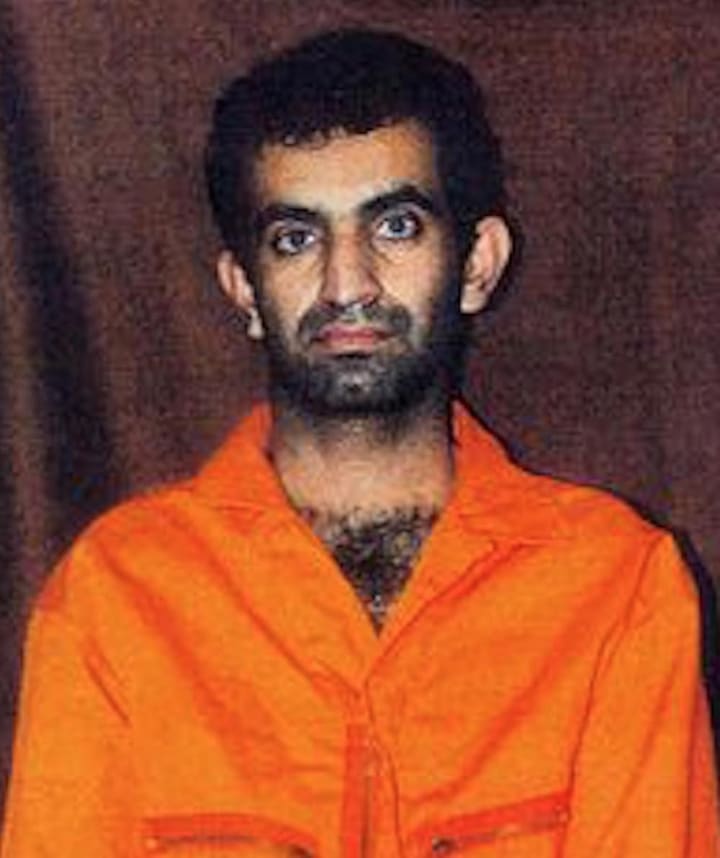
After the bombing, Yousef quickly fled the U.S., escaping to Pakistan before authorities could apprehend him.
In his absence, the FBI launched a massive investigation, identifying several of his accomplices who were later convicted. Yousef, however, remained at large and continued plotting new attacks.
Yousef orchestrated a series of other terrorist acts. He was behind the 1994 bombing of Philippine Airlines Flight 434, where he tested a small bomb that killed one passenger.
This was part of a broader plot known as Operation Bojinka, which aimed to bomb 12 U.S. airliners over the Pacific Ocean in a single day, potentially killing thousands.
The plan was foiled when a fire in Yousef’s Manila apartment led authorities to discover bomb-making materials and detailed blueprints of the operation.
Capture and Trial
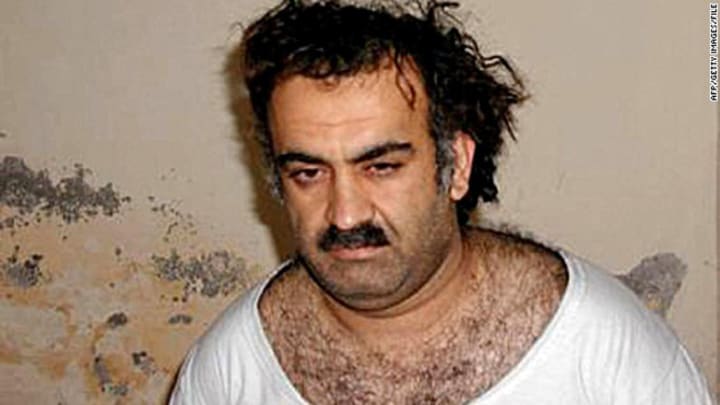
In February 1995, after two years on the run, Yousef was captured in Islamabad, Pakistan, by Pakistani intelligence and U.S. authorities.
He was extradited to the United States to stand trial for his crimes.
During his trial, Yousef remained defiant and unrepentant. He admitted to carrying out the World Trade Center bombing but claimed it was in retaliation for U.S. foreign policy in the Middle East.
He compared himself to American revolutionaries and said his intention was to send a message.
Yousef was convicted in 1996 for his role in the WTC bombing and again in 1997 for his involvement in the Bojinka plot.
He was sentenced to life in prison plus 240 years without the possibility of parole.
Life in Prison
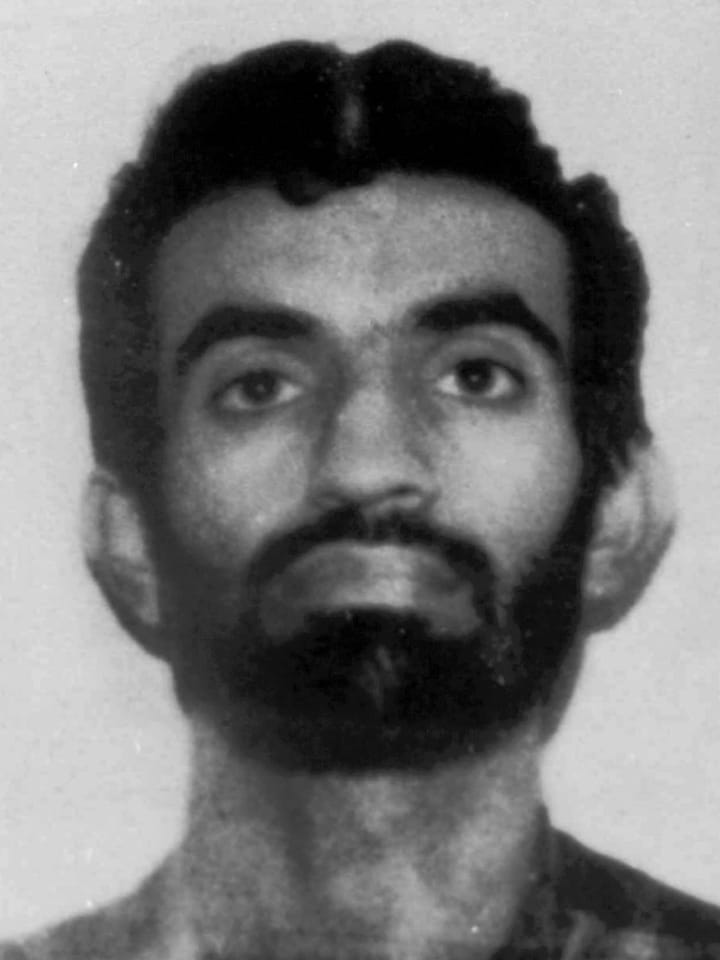
Ramzi Yousef is currently serving his sentence at the United States Penitentiary Administrative Maximum Facility (ADX) in Florence, Colorado—the highest-security prison in the country.
Known as the "Alcatraz of the Rockies," ADX houses America’s most dangerous inmates, including fellow terrorists and organized crime figures. Yousef spends 23 hours a day in solitary confinement.
Despite being isolated from the outside world, Yousef’s legacy continues to loom large.
His tactics, ideology, and familial connections played a crucial role in the development of modern jihadist terrorism.
His nephew, Khalid Sheikh Mohammed, would later use many of Yousef’s strategies in planning the 9/11 attacks.
Conclusion
Ramzi Yousef was a pioneer of modern terrorism—a skilled, ideologically driven extremist who brought mass-casualty attacks into the American consciousness years before 9/11.
His ability to travel across continents, exploit immigration systems, and coordinate large-scale bombings signaled a new kind of threat that continues to shape global security policies today.
Thanks for reading this article, please don't forget to check out the YouTube video at the top of the page where we look at the Top 50 Most Dangerous Terrorist Prisoners in American Prisons including Yousef.
This article was originally published at https://www.networth25.com
About the Creator
Vidello Productions
My name is William Jackson, a YouTube content creator and crypto enthusiast with over 161,000 subscribers and I make videos that are focused on the billionaire lifestyle and crime.
Content consists of top list videos.
Keep reading
More stories from Vidello Productions and writers in Criminal and other communities.
Investigating Associated Building Inspections Ephrata Complaints: The Private Company with Public Power
INVESTIGATION TARGET: ASSOCIATED BUILDING INSPECTIONS, LLC (ABI) HQ LOCATION: 1248 WEST MAIN STREET, SUITE 23, EPHRATA PA 17522 ROLE: THIRD-PARTY CODE ENFORCEMENT ALLEGATION: SELECTIVE ENFORCEMENT / GROSS NEGLIGENCE KEYWORDS: #EphrataCodeEnforcement #ABI #PublicSafetyFailure
By Sunshine Firecrackera day ago in Criminal
Story of Larry Hoover
Larry Hoover Legacy in Reform and Pop Culture For more than half a century, the name Larry Hoover has carried a weight that echoes through Chicago’s history and American urban culture. Often discussed in connection with crime, controversy, or organized street life, Hoover’s identity became a symbol far larger than the man himself. But beyond the headlines, beyond the mythology, and beyond the notoriety, there exists a lesser‑known story: the story of a human being who evolved, reflected, transformed, and worked to redirect others from the path he once walked. It is this story — the one buried beneath decades of public narrative — that reveals the depth of Larry Hoover’s transformation.
By Organic Products 2 days ago in Criminal


Comments
There are no comments for this story
Be the first to respond and start the conversation.