
Mary Bell: The Child Killer Who Shocked Newcastle and the World
In 1968, the quiet town of Newcastle, England, was rocked by the brutal murders of two young boys. The shocking revelation that the perpetrator was an 11-year-old girl, Mary Bell, left the community and the world in disbelief.

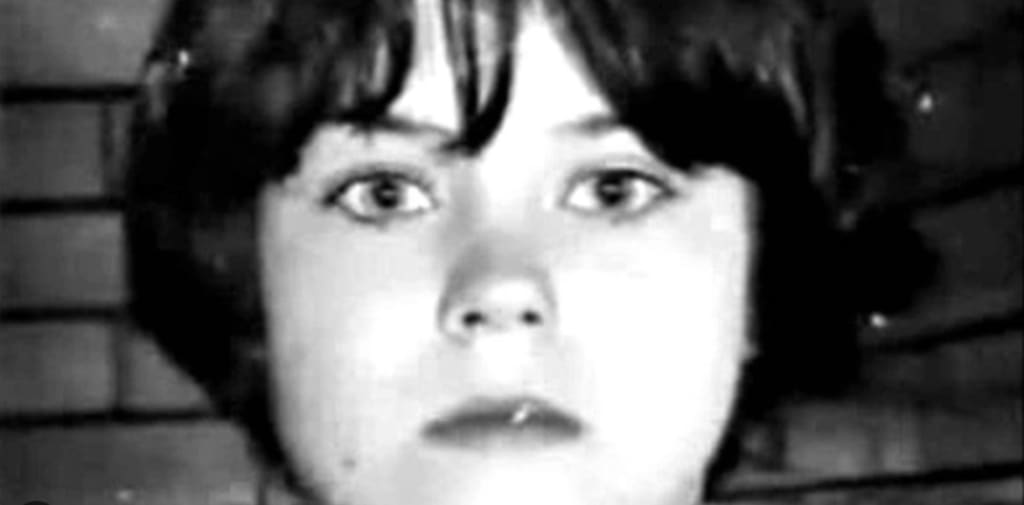
In 1968, the quiet town of Newcastle, England, was rocked by a series of brutal murders that would leave an indelible mark on the community and the world. Mary Bell, an 11-year-old girl, was found guilty of killing two young boys, sparking widespread horror and disbelief. The Mary Bell case not only shocked the nation but also raised profound questions about the nature of childhood, innocence, and the capacity for violence at such a young age. This article explores the chilling details of the case, the subsequent trial, and the remarkable journey of Mary Bell's life post-incarceration.
The Horrific Murders
On May 25, 1968, the body of 4-year-old Martin Brown was found in an abandoned house in Scotswood, a deprived area of Newcastle. Initially believed to be an accident, the true horror of the situation became evident when a few months later, on July 31, the body of 3-year-old Brian Howe was discovered on a wasteland. Both boys had been strangled, and in Brian's case, there were additional disturbing injuries, including puncture marks on his thighs and mutilation of his genitals.
The nature of the injuries and the young age of the victims led to a swift and intense investigation. The police were initially baffled, but the unusual behavior of Mary Bell, a local 11-year-old girl, drew their attention. Mary had been seen with both boys shortly before their deaths and had exhibited a disturbing fascination with the murders, even going so far as to admit to knowing intimate details about the crimes.
The Arrest and Trial
Mary Bell was arrested alongside her friend, Norma Bell (no relation), on suspicion of murder. During the investigation, it became clear that Mary had played the leading role in the killings. Her confessions were chilling and detailed, leaving little doubt about her involvement. The trial, held in December 1968, captivated the nation. The public struggled to comprehend how such a young girl could commit such heinous acts.
Mary Bell was ultimately found guilty of manslaughter due to diminished responsibility, a verdict that acknowledged her culpability but also her troubled psychological state. The court heard evidence of Mary’s tumultuous upbringing, marked by neglect and abuse. Her mother, a prostitute, had subjected her to physical and emotional abuse from a young age, which experts argued had profoundly affected her psychological development.
Incarceration and Rehabilitation
Mary Bell was sentenced to life imprisonment, initially held in a secure unit for young offenders before being transferred to adult prisons as she grew older. Her incarceration was marked by attempts at rehabilitation, and she demonstrated significant progress over the years. Mary’s case highlighted the potential for psychological treatment and rehabilitation, even for those who had committed severe crimes at a young age.
In 1980, after serving 12 years, Mary Bell was released on license. Her release sparked a media frenzy, with public opinion divided on whether she deserved a second chance. Under strict conditions and with a new identity, Mary sought to rebuild her life away from the public eye.
Life After Prison
Mary Bell's life post-incarceration has been a complex journey of redemption and resilience. Despite ongoing media interest and the challenges of reintegrating into society, she has managed to maintain a low profile. In 2003, she gave birth to a daughter, marking a new chapter in her life. Legal battles ensued to protect her anonymity and that of her daughter, highlighting the ongoing tension between public interest and the right to privacy.
Resilience and Redemption
The Mary Bell case is a haunting reminder of the potential for darkness within even the youngest members of society. Yet, it is also a testament to the possibility of redemption and the resilience of the human spirit. Mary Bell's journey from a child killer to a rehabilitated adult underscores the importance of addressing the root causes of criminal behavior and the potential for change.
Her case has prompted significant discussions about the treatment of young offenders and the role of psychological support in rehabilitation. It has also raised important questions about the balance between justice and compassion, particularly for those who commit crimes as children.
A Legacy of Lessons
The Mary Bell case continues to resonate in discussions about juvenile justice, child psychology, and the capacity for rehabilitation. It serves as a powerful reminder of the need for early intervention and support for at-risk children. The case has also highlighted the importance of media responsibility in reporting on such sensitive issues and the ongoing struggle to protect the privacy of those seeking to move beyond their past.
To conclude the story of Mary Bell, the child killer who shocked Newcastle and the world, is a complex narrative of horror, justice, and redemption. While her crimes were undeniably heinous, her journey post-incarceration offers a glimmer of hope and a reminder of the potential for change. The Mary Bell case remains a powerful example of the challenges and possibilities inherent in the criminal justice system, particularly when dealing with young offenders. It is a story that continues to inspire and engage, highlighting the enduring quest for understanding, justice, and rehabilitation.
About the Creator
Jane Doe
As a passionate storyteller, I captivate readers with engaging, well-researched articles across genres from criminality and poems to lifestyle and more....
Join me for insights, tips, and narratives that inform and entertain.
The Monster in the Details: How a can found in Yeadon solved a crime Ephrata missed.
The Million-Dollar Mistake Jonathan Gerlach stole over 100 human skulls. He transported bodies across county lines. He maintained a "museum" in a rowhome and a "warehouse" in a storage unit. For months, he operated with impunity right under the nose of the Ephrata Police Department.
By Sunshine Firecracker5 days ago in Criminal
Murders of Innocence
There is something to be said about childhood trauma. It somehow has a way of showing its ugly head in the life of all monsters. I know it’s only one fact that goes into the making of a monster, hear me out. I know there are other little buildings blocks associated with the “build a little monster kit” most parents don’t even realize they come equipped with in their arsenal of unloving. Yes, I know what I said.
By Cassie Moore6 days ago in Criminal


Comments
There are no comments for this story
Be the first to respond and start the conversation.