
Lepa Radić: A Teenage Heroine of World War II
Brave till death

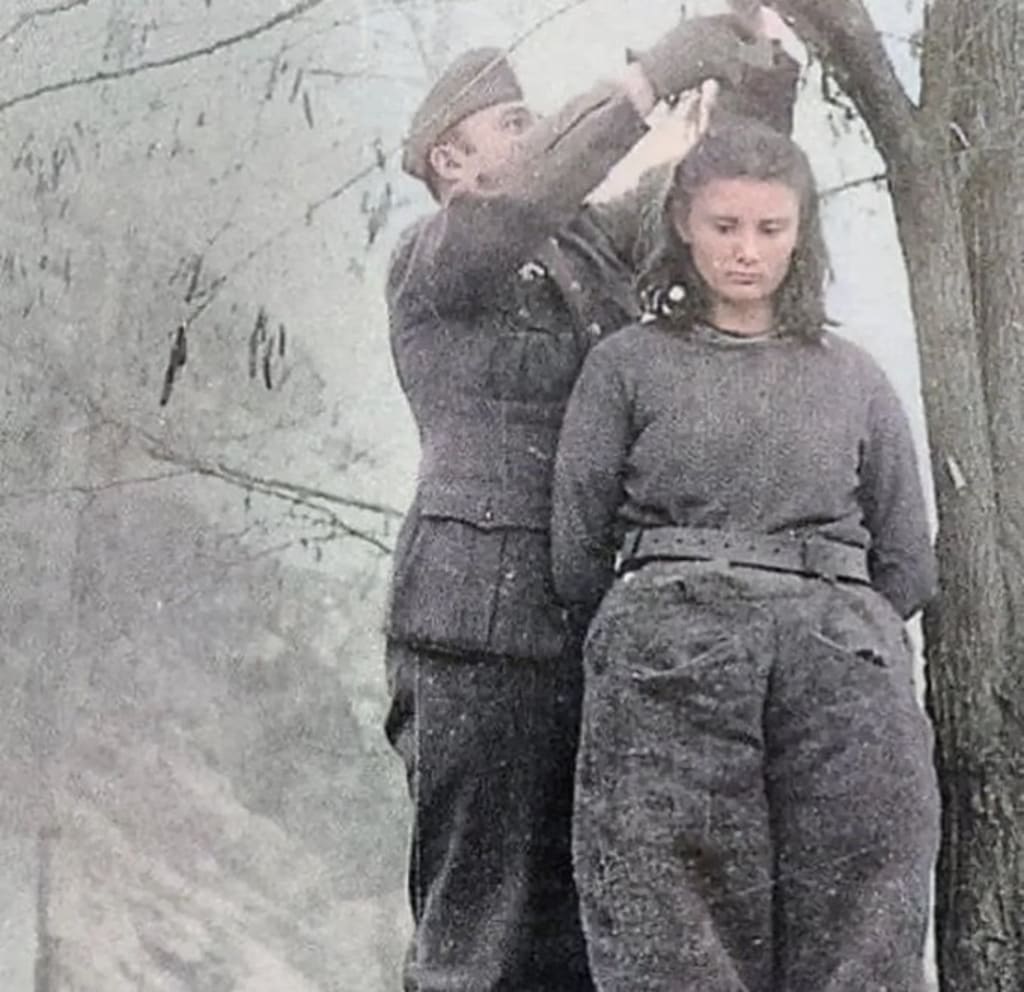
In the annals of World War II, the story of Lepa Radić stands out as a testament to the extraordinary courage and resilience of young resistance fighters who opposed the tyranny of the Axis powers. Lepa Radić, a 17-year-old partisan, faced her execution by Nazi officers with unflinching bravery, offering a powerful example of loyalty and sacrifice.
Early Life and Joining the Resistance
Lepa Radić was born on December 19, 1925, in the village of Gašnica, near Bosanska Gradiška in what was then the Kingdom of Serbs, Croats, and Slovenes (modern-day Bosnia and Herzegovina). Raised in a farming family, she was instilled with strong values of community and resistance against oppression from an early age. As the Axis powers invaded Yugoslavia in April 1941, Lepa, along with many young Yugoslavs, was deeply affected by the brutality and repression that followed.
By the age of 15, Lepa joined the Yugoslav Partisans, a communist-led resistance movement against the occupying Axis forces. She became an active member of the National Liberation Movement, taking on various roles, including nurse and courier, and quickly proved herself as a dedicated and fearless fighter. Her determination and spirit made her a respected figure within the resistance.
Captured by the Nazis
In February 1943, during a significant Axis offensive against the Partisans known as Case White (Fall Weiss), Lepa and her unit found themselves in fierce combat in the Grmeč region. Despite their valiant efforts, the Partisans were overwhelmed by the better-equipped and numerically superior German forces. Lepa was captured while attempting to evacuate the wounded to safety.
The Final Stand
Imprisoned and subjected to brutal interrogation, Lepa Radić remained steadfast in her loyalty to her comrades. The Nazis, aware of her involvement with the Partisan movement, saw an opportunity to extract valuable information about the resistance network. They offered her a deal: if she revealed the identities and locations of her fellow Partisans, her life would be spared. It was a cruel and calculated offer, designed to break her spirit and undermine the resistance.
Lepa's response to this offer was one of remarkable bravery and defiance. Standing before her captors, she refused to betray her comrades. Her powerful words have since become legendary: "I am not a traitor. My comrades will reveal themselves when they avenge me." This unwavering commitment to her cause and her comrades encapsulates the spirit of resistance that defined the Partisan struggle against the Nazis.
Execution and Legacy
On February 11, 1943, Lepa Radić was publicly executed by hanging in the town of Bosanska Krupa. She faced her death with the same courage that had characterized her life, becoming a symbol of resistance and sacrifice for her people. Her execution was intended to serve as a warning to others who might dare to oppose the Nazi occupation. Instead, it had the opposite effect, galvanizing the Partisans and strengthening their resolve to fight against the oppressors.
Lepa Radić's legacy lives on as a powerful symbol of youthful courage and resistance against tyranny. She was posthumously awarded the Order of the People's Hero by the Yugoslav government in 1951, one of the highest honors for bravery in the country. Her story has been commemorated in various forms, including monuments, literature, and art, serving as an enduring reminder of the sacrifices made by those who stood against fascism.
A Symbol of Unyielding Courage
Lepa Radić's story resonates beyond the specific historical context of World War II and the Yugoslav resistance. It speaks to the universal themes of bravery, sacrifice, and the unyielding human spirit in the face of overwhelming odds. Her refusal to betray her comrades, even at the cost of her own life, highlights the profound sense of solidarity and commitment that can arise in times of extreme adversity.
In today's world, where the values of freedom and justice continue to be challenged, Lepa Radić's example remains relevant. She reminds us that the fight against oppression often requires immense personal sacrifice and that the courage of even the youngest individuals can leave a lasting impact on history.
Lepa Radić's life and legacy are a testament to the extraordinary heroism that can emerge from the most harrowing circumstances. Her story is a poignant reminder of the enduring power of resistance and the profound impact that one courageous individual can have in the struggle for justice and freedom.Start writing...
About the Creator
Keep reading
More stories from Deji Akomolafe and writers in Criminal and other communities.
Dorángel Vargas: The Harrowing Tale of Venezuela's "People Eater"
In so many cases of true crime, few stories are as chilling and macabre as that of Dorángel Vargas, infamously known as "The People Eater." This homeless man from Venezuela turned a tranquil park in San Cristobal into a hunting ground, preying on unsuspecting passersby. Between 1997 and 1999, Vargas confessed to killing and consuming at least eleven men, earning a notorious place in the dark history of serial killers. His story is a haunting reminder of the extreme depths of human depravity and the terrifying potential for violence that can lurk beneath the surface.
By Deji Akomolafe2 years ago in Criminal




Comments (1)
Interesting to know.