
Jallianwala Bagh Massacre Under Rowlatt Act
Rowlatt Act
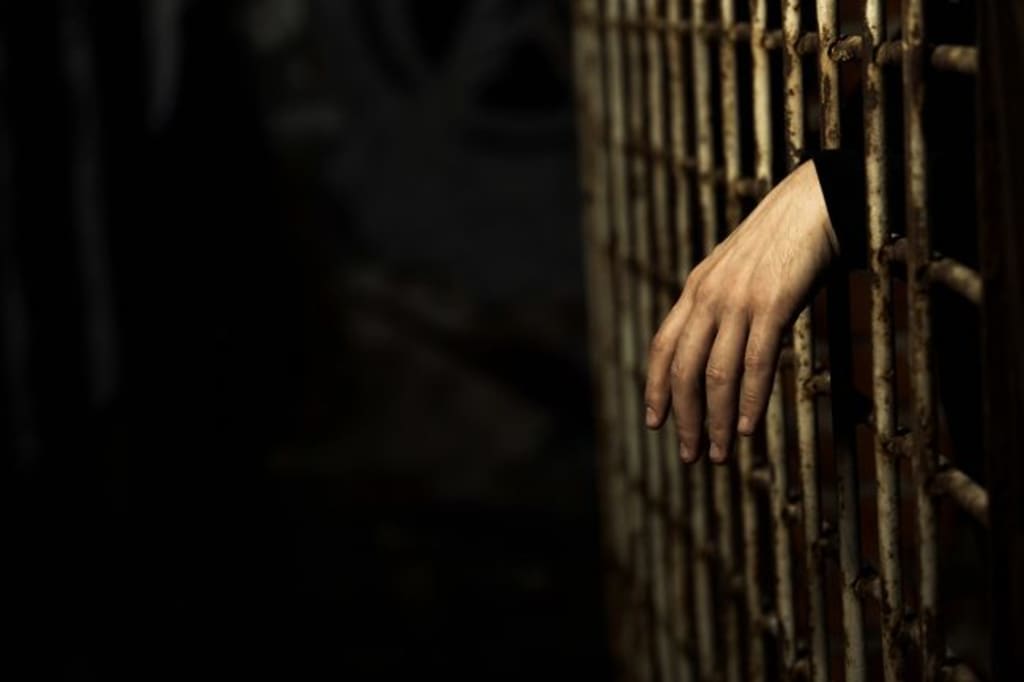
The Rowlatt Act, passed by the British government in February 1919 to gain control over ordinary residents, gave police officers the authority to arrest anyone for any reason. The act got named after Sir Sidney Rowlatt, the President of the Rowlatt Committee.
The goal of enacting this Act was to end insurgency and dispel any anti-British conspiracy ideas in India. People who rebelled against the British might get imprisoned for two years without trial under this act.
Any suspect might be apprehended without a warrant and held for an extended amount of time. Continue reading to know more about Jallianwala Bagh Massacre under the act.
Overview of the act
During World War I, the British government passed this act. The Rowlatt act was called as black law. and was enacted to put down the revolt and eliminate the anti-British conspiracy in India.
The power given to the British government by this act
The Act gave the British the authority to detain anyone accused of plotting to overthrow British power. Anyone accused of taking part in an anti-British insurrection might get condemned to up to two years in prison without a trial under this statute. Without a warrant, any suspect might be arrested and held indefinitely.
The government could also use the law to suppress the press if it wished to probe the reasons and evidence. As a result, all public gatherings of a cultural or religious kind got outlawed.
As a result, the Indians vehemently opposed the law. Mahatma Gandhi also opposed this law, who launched "Hartal," a nonviolent protest that included work stoppages and hunger strikes.
Why was Rowlatt act imposed?
The British government established the Rowlatt Act after seeing the reaction of Indians. The act attempted to deter Indians from resisting British authority by crushing revolutionary organizations and robbing them of their liberty and freedom of speech.
The Act primarily stated that anyone suspected of sedition or insurrection might be arrested and deported.
Jallianwala Bagh Massacre
A protest was held in Jallianwala Bagh, Amritsar, on April 13, 1919. Since it was Baisakhi, a religious festival, many people from various parts of Punjab gathered there in large numbers.
There was already martial law in force, with no more than four individuals allowed. Michael O'Dwyer was the Lieutenant-Governor of Punjab, and Lord Chelmsford was the Viceroy of India.
How were the people killed?
Jallianwala Bagh was a walled garden with five tiny entrances. Because the Indians were uninformed of the act's prohibition on gatherings, General Dyer and his forces opened fire on them as soon as they entered, blocking out all the exits. In this tragedy, which was the nightmare of British rule, about 1000 innocent people were slain, and over 1200 were injured.
General Dyer killed 1000 innocent people as the act opposed the gathering of such a huge number of people, and hence, the act was termed as “Black Act.
Investigation of massacre
Indians were shocked by the tragedy, and many national leaders harshly condemned the deed and Dyer. Although some in the British government criticized Dyer's activities, many in Britain and the British in India were pleased with his actions. They celebrated the efforts of General Dyer taken under the Black Act.
The government established the Hunter Commission to investigate the massacre. The commission denounced dyer's behavior, but no disciplinary action was taken against him.
In 1920, he was removed from his army responsibilities. Lieutenant-Governor of Punjab Michael O'Dwyer, who had approved of Brigadier-General Dyer's actions, was slain in London by Udham Singh in retaliation for the massacre.
To Conclude:
During World War I, the British government passed the Rowlatt Act in 1919. Rowlatt act was called as black law in Indian history. The purpose of executing this act was to end the revolt and root out anti-British conspiracies in India.
The Act gave the British the authority to detain anyone suspected of plotting against the British Raj. The Indians were adamantly opposed to the law. This law was opposed by many people, including Mahatma Gandhi.
The Act got repealed in 1922, following the Jallianwala Bagh massacre and the report of the Repressive Laws Committee. General Dyer was removed from command, asked to resign, and told that he would never work again.
About the Creator
Pratibha sahani
I am law specialized content writer.
Visit here to read my other legal articles
Keep reading
More stories from Pratibha sahani and writers in Criminal and other communities.
Multinational Crisis Part 5
If you had no idea there were people trying to defraud women and men online, you probably have been on a long staycation in the jungles of the Amazon, or you live under a rock. This is happening everyday and hundreds and thousands of times a day to as many people.
By Alexandra Granta day ago in Criminal



Comments
There are no comments for this story
Be the first to respond and start the conversation.