
Jack the Ripper: The Infamous Mystery of London's Dark Streets
In the late 19th century, London's East End was a place of poverty and hardship. Whitechapel, in particular, was known for its overcrowded slums, rampant crime, and the desperate lives of its inhabitants. Amidst this backdrop of despair, a series of brutal murders began in August 1888, plunging the community into terror.

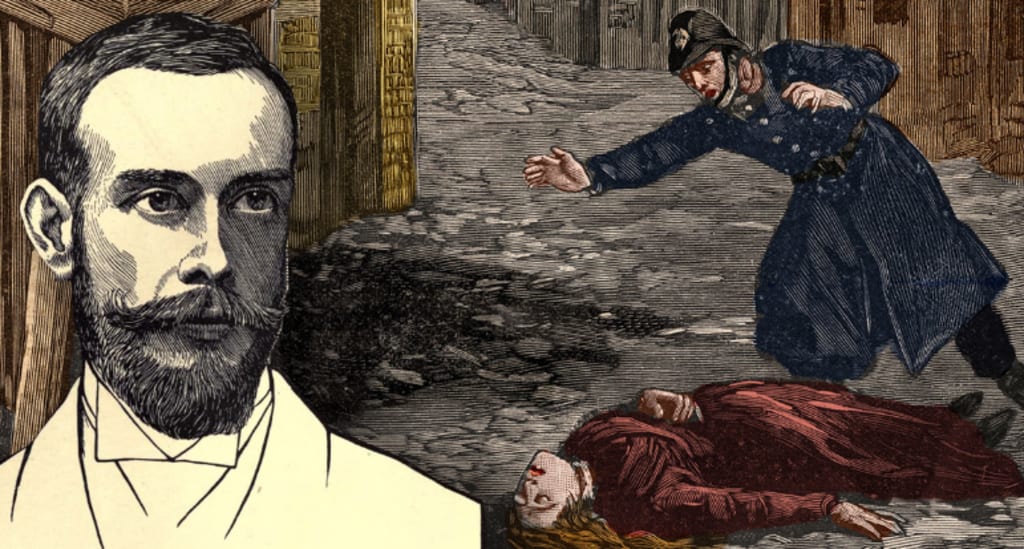
Jack the Ripper, a name synonymous with fear and intrigue, is one of history's most infamous unsolved serial killer cases. Operating in London's Whitechapel district in 1888, the Ripper's gruesome murders shocked the world and have continued to captivate public imagination for over a century. This article explores the chilling tale of Jack the Ripper, the relentless pursuit of justice, and the enduring resilience of a community determined to overcome its darkest chapter.
The Sinister Shadow in Whitechapel
In the late 19th century, London's East End was a place of poverty and hardship. Whitechapel, in particular, was known for its overcrowded slums, rampant crime, and the desperate lives of its inhabitants. Amidst this backdrop of despair, a series of brutal murders began in August 1888, plunging the community into terror.
The victims were all women, most of whom were involved in prostitution. Their bodies were discovered with their throats slashed and, in several cases, their abdomens mutilated. The sheer savagery of these crimes suggested a killer of extraordinary brutality and cunning. Newspapers quickly dubbed the unknown assailant "Jack the Ripper," a name that would become legendary.
The Murders
The first canonical victim, Mary Ann Nichols, was found on August 31, 1888. Her body bore the horrific trademarks that would become associated with the Ripper's modus operandi. Just a week later, on September 8, Annie Chapman was discovered in a similarly gruesome state. The murders of Elizabeth Stride and Catherine Eddowes on September 30, followed by the final confirmed victim, Mary Jane Kelly, on November 9, escalated the panic and urgency to catch the killer.
The Ripper's ability to evade capture despite the heightened police presence and media frenzy only added to his terrifying mystique. Letters purportedly from the killer, including the infamous "Dear Boss" letter signed "Jack the Ripper," taunted the police and fueled public fear and speculation.
The Pursuit of Justice
The investigation into the Ripper murders was one of the most extensive in the history of the Metropolitan Police. Led by Inspector Frederick Abberline, the police employed numerous strategies to catch the killer, from house-to-house inquiries to undercover operations. The limitations of forensic science at the time, however, posed significant challenges.
Despite the best efforts of the police, the Ripper was never caught. Numerous suspects were investigated, from local butchers and doctors to well-known figures like Prince Albert Victor and artist Walter Sickert. Each theory brought new hope but ultimately led to dead ends. The inability to capture Jack the Ripper left a lasting frustration and sense of incompletion.
A Legacy of Resilience
While the terror inflicted by Jack the Ripper is undeniable, the resilience of the Whitechapel community in the face of such horror is equally remarkable. The residents of Whitechapel, though living in fear, showed incredible solidarity and courage. Neighborhood watch groups were formed, and the community came together to support the victims' families and one another.
The case of Jack the Ripper also prompted significant changes in policing and forensic science. The failures and limitations of the investigation highlighted the need for improved methods of crime scene management, record-keeping, and inter-agency cooperation. These lessons paved the way for modern investigative techniques and more sophisticated forensic analysis.
The Enduring Fascination
The story of Jack the Ripper continues to captivate and horrify. Countless books, movies, and documentaries have explored the case, each offering new theories and insights. The enduring mystery of the Ripper's identity and the dark allure of Victorian London's fog-shrouded streets keep the legend alive in popular culture.
The fascination with Jack the Ripper also serves as a reminder of the vulnerabilities and challenges faced by society in confronting violent crime. It underscores the importance of community resilience, the relentless pursuit of justice, and the advancements in policing that have emerged from such dark chapters in history.
To conclude, Jack the Ripper's reign of terror in 1888 remains one of the most chilling and enigmatic episodes in criminal history. Yet, amidst the horror, the story of the Whitechapel community's resilience and the ongoing quest for justice shines through. While the Ripper's true identity may never be known, the legacy of those who lived through that dark time, and the lessons learned, continue to inspire and inform our approach to combating crime and supporting affected communities.
The tale of Jack the Ripper is a stark reminder of the darkness that can lurk within society, but it also highlights the enduring strength of human resilience and the relentless drive to seek justice, no matter how elusive it may seem.
About the Creator
Jane Doe
As a passionate storyteller, I captivate readers with engaging, well-researched articles across genres from criminality and poems to lifestyle and more....
Join me for insights, tips, and narratives that inform and entertain.
Robert William Fisher: The Unresolved Mystery Behind One of America’s Most Notorious Fugitives
Few criminal cases in the United States have remained as haunting and unresolved as that of Robert William Fisher. More than two decades after his disappearance, Fisher’s name continues to appear on the FBI’s Most Wanted list, symbolizing both a tragic family crime and one of the longest-running manhunts in modern American history. His case blends elements of domestic violence, psychological profiling, forensic investigation, and unanswered questions that still trouble law enforcement and the public alike.
By Salaar Jamali2 days ago in Criminal
A Real Story: The Day Ameneh Bahrami Lost Her Sight
In 2005, Tehran woke up to what seemed like an ordinary morning. Buses were running, offices were opening, and students were heading to their universities. The city was moving through its usual routine. No one knew that, in one small part of the city, a tragedy was about to occur—one that would later shock the entire world.
By shakir hamid5 days ago in Criminal



Comments
There are no comments for this story
Be the first to respond and start the conversation.