
How to Manage a Cheque Bounce Case When Goods Aren’t Delivered
When a cheque bounces, it's not just a minor financial slip-up. In India, a bounced cheque can lead to serious legal trouble under Section 138 of the Negotiable Instruments Act, 1881.


When a cheque is dishonoured, it means the bank refuses to process it. The reasons for this could be insufficient funds in the account, the account being closed, or a mismatch in the signature. No matter the reason, a bounced cheque is a big issue that can lead to criminal charges. If found guilty, the person who issued the cheque (the drawer) could face up to two years in jail or a fine of up to twice the value of the cheque, or both.
Legal Options for the Payee
If you are the person expecting the payment (the payee), and the cheque bounces, you have the right to take legal action. You can file a criminal complaint under Section 138 to press charges against the drawer. Apart from criminal prosecution, you can also file a civil suit to recover the amount you are owed. In such cases, acting quickly and consulting a criminal lawyer can help you handle the situation more effectively. The lawyer can assist with key legal steps like filing a Vakalatnama and applying for anticipatory bail if needed.
Key Legal Steps in Cheque Bounce Cases
1. Filing a Vakalatnama
A Vakalatnama is a legal document that gives your lawyer the authority to represent you in court. This is often the first step when facing a cheque bounce case.
Why Is It Important?
By filing a Vakalatnama, you ensure that you have professional legal representation. Your lawyer can respond to legal notices on your behalf, guide you through the court process, and make sure your case is handled properly.
Steps to File a Vakalatnama:
Consult a Lawyer: Hire a lawyer who specialises in cheque bounce cases.
Sign the Vakalatnama: Officially authorise the lawyer to act for you.
Submit to Court: The lawyer will then file the document, allowing them to handle your legal matters.
2. Applying for Anticipatory Bail
Anticipatory bail can be a lifesaver if you believe you might be arrested over a cheque bounce issue. This type of bail allows you to avoid arrest until the charges are formally pressed.
When Should You Apply?
If you receive a legal notice or learn that a complaint under Section 138 has been filed, it is essential to apply for anticipatory bail without delay. It helps safeguard your freedom while your case is being sorted out.
Steps to Apply for Anticipatory Bail:
Consult Your Lawyer: Explain your situation to your lawyer. They will prepare the bail application.
Submit the Application: The application is usually filed in a sessions or high court.
Attend Court Hearings: You will need to be present with your lawyer during the bail hearing.
Await the Decision: If granted, the bail will prevent your arrest, but you must comply with any court orders that follow.
Step-by-Step Process for Handling Cheque Bounce Cases
Hire a Lawyer: Choose a lawyer experienced in handling cheque bounce cases.
Sign and File the Vakalatnama: This step gives your lawyer the right to represent you in court.
Prepare for Anticipatory Bail: If there's a risk of arrest, make sure your lawyer files for anticipatory bail.
Attend Court Hearings: Your presence in court is necessary, whether for the main case or for bail proceedings.
Follow Court Orders: If the court grants bail, make sure to follow all legal obligations.
The Importance of Early Legal Action
Timing is key when dealing with a cheque bounce case. The faster you act, the easier it is to manage the situation. By filing a Vakalatnama early, you get expert legal representation, and applying for anticipatory bail can prevent an arrest that might disrupt your life. Quick action also gives you the chance to negotiate with the payee. Sometimes, the issue can be settled without going to court if both parties can agree on a repayment plan.
Conclusion
A cheque bounce can lead to serious legal consequences, including jail time and heavy fines. However, by taking the right legal steps early, you can manage the situation more effectively. Filing a Vakalatnama and applying for anticipatory bail are essential actions that protect your rights and provide a legal pathway to address the issue. Acting quickly could also help you settle the matter out of court, avoiding harsher penalties. In these situations, having the right legal advice is crucial to navigate through the complexities and come to a satisfactory resolution.
With the support of Zolvit, you can navigate the complexities of cheque bounce cases with greater ease. Our experts can guide you through the legal process, offer representation, and help negotiate settlements. Acting swiftly can ultimately lead to a more satisfactory resolution, sparing you from harsher penalties and unnecessary stress.
About the Creator
Nithya
Nithya R is the Content Head at Vakilsearch and a criminologist by training. Her deep knowledge of criminal law and active involvement in case studies enrich the quality of legal content for business compliance and research.
YNW Melly’s Witness Tampering Charges Dropped Ahead Of Trial
YNW Melly’s had a long and arduous road. Does he deserve it? That’s for a jury to decide January of 2027. Meanwhile, he scored a huge legal win when one of his charges got dropped. Related to witness tampering where he allegedly told his girlfriend not to participate in the case, he got the charge dropped ahead of the upcoming trial.
By Skyler Saunders2 days ago in Criminal
Inside the House of Skulls: The Full Timeline of the Jonathan Gerlach Investigation
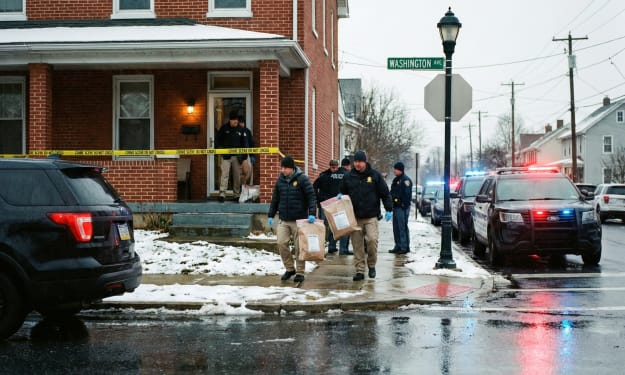
INVESTIGATION TARGET: JONATHAN C. GERLACH INCIDENT LOCATION: 100 WASHINGTON AVENUE, EPHRATA PA CHARGES: ABUSE OF CORPSE (x100), THEFT, DESECRATION STATUS: INCARCERATED ($1M BAIL) KEYWORDS: #HouseOfSkulls #JonathanGerlach #EphrataCrime #MountMoriah
By Sunshine Firecracker6 days ago in Criminal



Comments
There are no comments for this story
Be the first to respond and start the conversation.