
How One Photo Turned a Hostage Crisis into a Viral Sensation
The Viral Hijack Selfie: Heroic or Reckless?

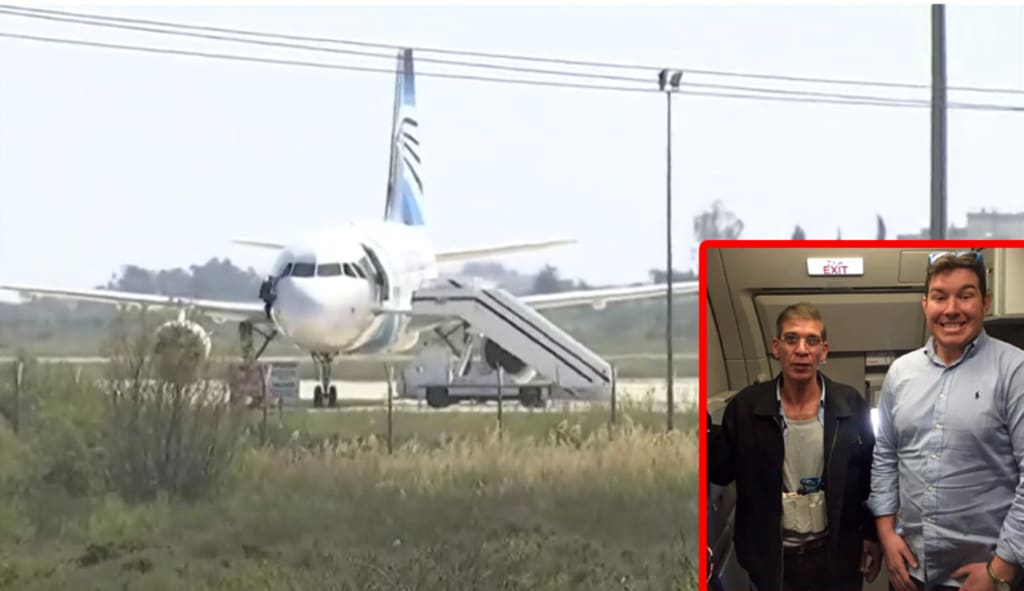
I believe stupidity has its own limits, when you see danger you should run away from there that is common sense, or will you take selfie with that danger. This post is about a guy who take selfie, with her Hijacker.
In a world where selfies have become a form of self-expression, weather it is joy, sad or funny or any thing it will express us. But this one selfie stands out as both extraordinary and controversial.
In the years 2016, Ben Innes, a British auditor, found himself in an unimaginable situation—aboard an EgyptAir flight hijacked by Seif al-Din Mustafa. What happened in that situation captured global attention: Photo of Innes standing beside the alleged hijacker during a tense six-hour standoff in Cyprus.
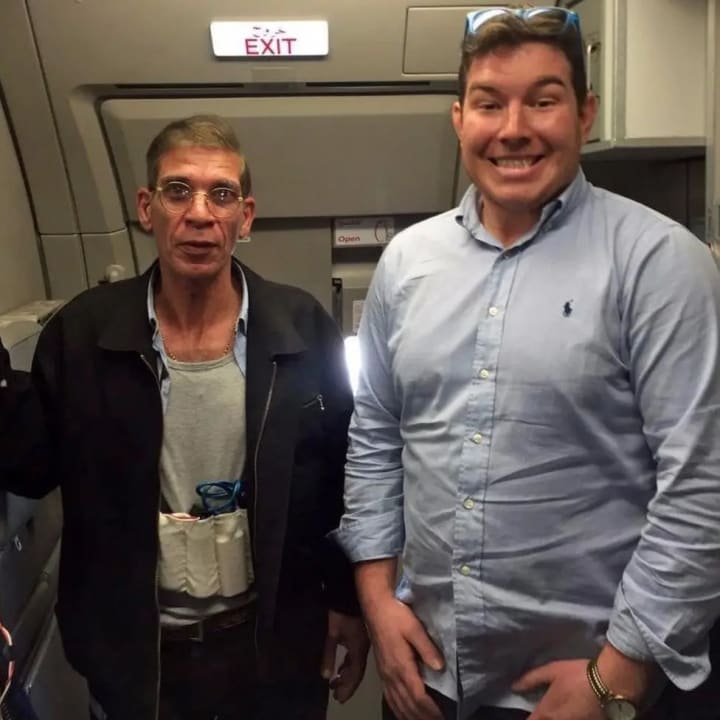
The image, which Innes later described as "the best selfie ever," quickly went viral. However, the photograph was not a traditional selfie, as it was taken by a flight attendant at Innes' request. the photograph became a symbol of resilience, humor, and the human capacity to find levity in dire circumstances.
Innes later explained his motivations for the photograph. He wanted to maintain a cheerful demeanor in the face of adversity and, perhaps more importantly, to get a closer look at Mustafa's supposed explosive device. This device, which had been the source of terror for passengers and crew, was later revealed to be a fake. Mustafa was arrested, extradited to Egypt, and ultimately convicted and sentenced to life in prison.
The reactions to Innes' actions were as varied as they were intense. His relatives and friends praised his behavior, describing it as "totally in character" for the affable and adventurous auditor. They saw the photograph as a testament to his courage and quick thinking under pressure.
However, not everyone viewed the incident in such a positive light. Security experts criticized Innes for what they perceived as reckless behavior. They argued that his actions could have jeopardized the safety of others on the flight. The debate highlighted the fine line between bravery and foolhardiness, raising questions about how individuals should respond in life-threatening situations.
The photograph also ignited discussions about the role of social media in shaping public perception. Within hours of its release, the image had been shared millions of times across platforms, accompanied by a mix of admiration, humor, and criticism. Memes and parodies flooded the internet, turning a moment of personal bravery into a global spectacle.
Innes' story serves as a reminder of the complex interplay between individual actions and collective narratives. His decision to take the photograph was deeply personal, yet its impact extended far beyond the confines of the hijacked plane. It became a lens through which people around the world could examine their own values, fears, and aspirations.
The incident also underscores the evolving nature of heroism in the digital age. In a time when moments are captured, shared, and dissected in real-time, the line between hero and anti-hero can blur. Innes' photograph, with its mix of humor and audacity, challenges traditional notions of bravery and invites us to reconsider what it means to act courageously.
As the years pass, the Ben Innes selfie remains a fascinating case study in human behavior, media dynamics, and the power of a single image to spark global conversations. Whether viewed as a moment of levity in a dark situation or as a reckless gamble, the photograph continues to captivate and provoke, reminding us of the enduring complexity of the human spirit.
Why they Hijack the plane
The hijacking of EgyptAir Flight 181 in 2016 by Seif al-Din Mustafa was a bizarre and complex incident. Mustafa claimed to be wearing an explosive belt and forced the plane to divert to Cyprus.
However, his motives were not entirely clear. Reports suggest that he demanded to see his estranged wife, who lived in Cyprus, and even handed over a letter addressed to her. Some sources also mentioned that he sought asylum in Cyprus and demanded the release of female prisoners in Egypt. Ultimately, the explosive belt turned out to be fake, and the hijacking was not linked to terrorism but rather personal and possibly psychological issues.
In the end Ben Innes "Hijack Selfie " become head lines of the story .
About the Creator
Nav k Aidan
i am an author i am a ghost writer and also working on fictional books
i am in this field from past 15 year ,
i wrote more than 400 blog post for different blogsites,
Keep reading
More stories from Nav k Aidan and writers in Criminal and other communities.
Toronto Consulate Shooting, Synagogue Attacks, and Antisemitic Violence in Canada
Irina Tsukerman is a human rights and national security attorney based in New York and Connecticut. She earned her Bachelor of Arts in National and Intercultural Studies and Middle East Studies from Fordham University in 2006, followed by a Juris Doctor from Fordham University School of Law in 2009. She operates a boutique national security law practice. She serves as President of Scarab Rising, Inc., a media and security strategic advisory firm. Additionally, she is the Editor-in-Chief of The Washington Outsider, which focuses on foreign policy, geopolitics, security, and human rights. She is actively involved in several professional organizations, including the American Bar Association’s Energy, Environment, and Science and Technology Sections, where she serves as Program Vice Chair in the Oil and Gas Committee. She is also a member of the New York City Bar Association. She serves on the Middle East and North Africa Affairs Committee and affiliates with the Foreign and Comparative Law Committee.
By Scott Douglas Jacobsen3 days ago in Criminal


Comments (1)
That’s a heck of a photo! What a situation. Good work!