
How a Fisherman’s Grisly Discovery Led to the Most Chilling DNA Hunt in Washington State History
36 years after an 18-year-old girl was found floating naked in the Puyallup River, genetic detectives tracked down her killer through three centuries of family trees. But they were eight months too late to arrest him.
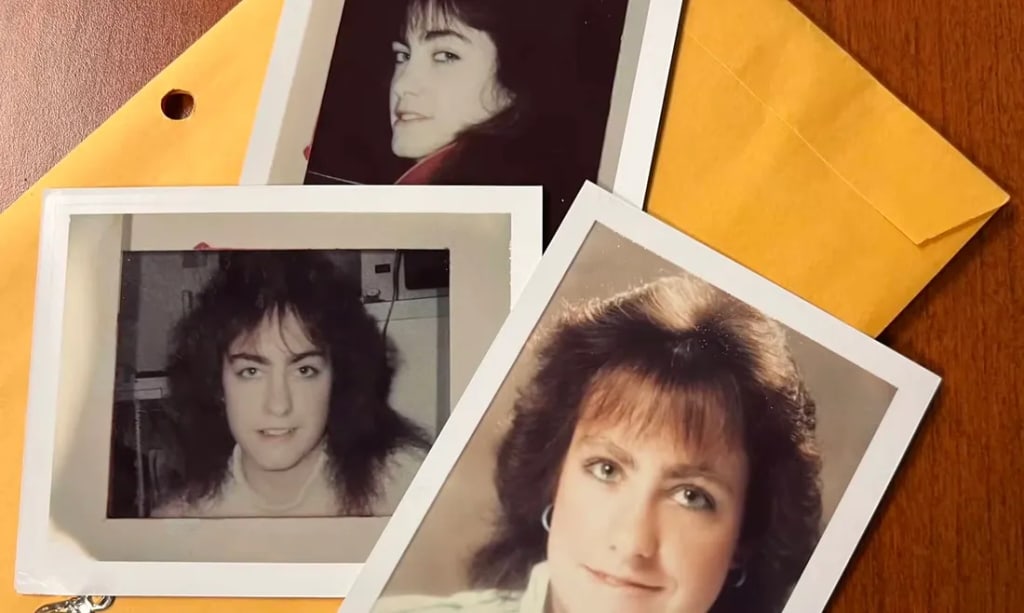
The phone rang at the Pierce County Sheriff’s Office at 11:47 AM on August 28, 1988.
“We found a body in the river.”
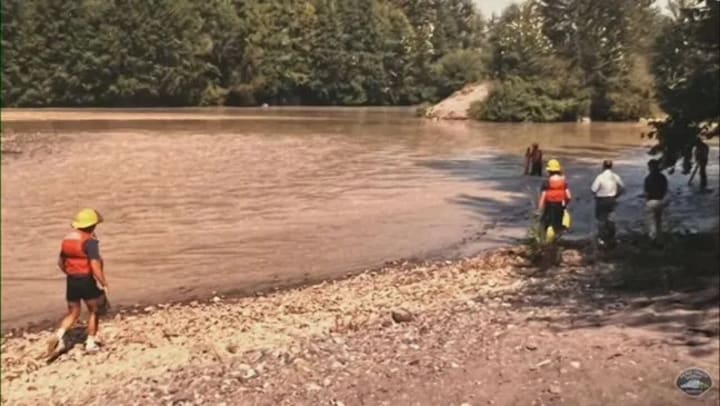
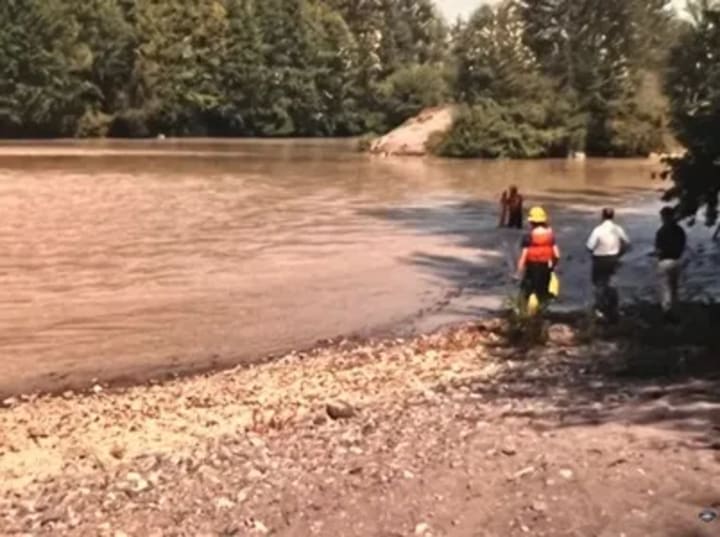
The fisherman’s voice was shaking. He’d been casting his line into the Puyallup River near Sumner, Washington, looking for salmon. Instead, he pulled up every angler’s worst nightmare.
A human body. Naked. Face down. Badly decomposed.

When Pierce County deputies arrived at the scene, they knew immediately this wasn’t an accident. The body had been deliberately placed in the water. Dumped like trash.
What they didn’t know was that they were looking at the victim of a killer who would remain free for another 36 years.
A killer who would die of natural causes just eight months before DNA technology finally caught up with him.
. . .
The Girl Who Had Everything to Live For
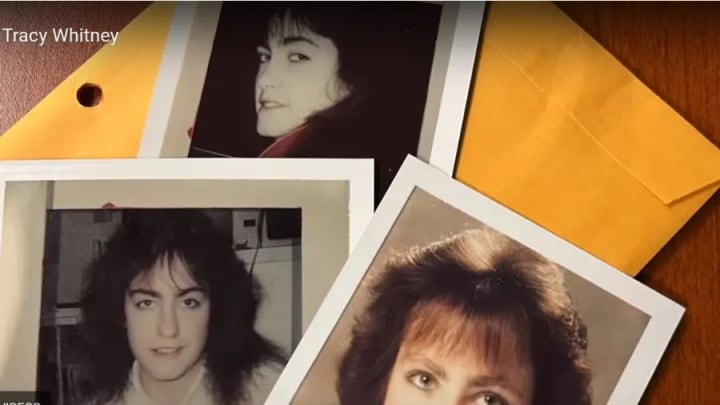
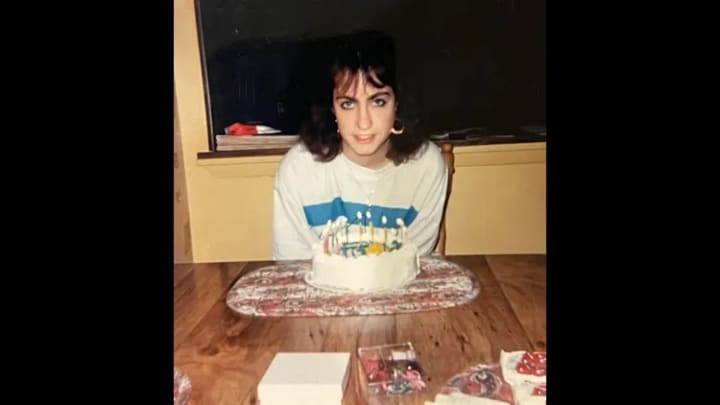
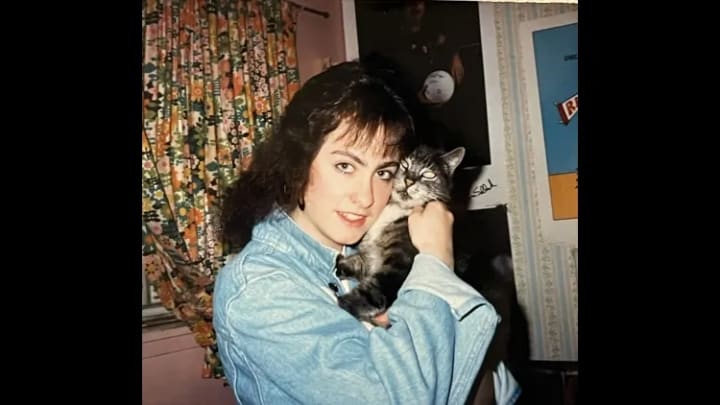
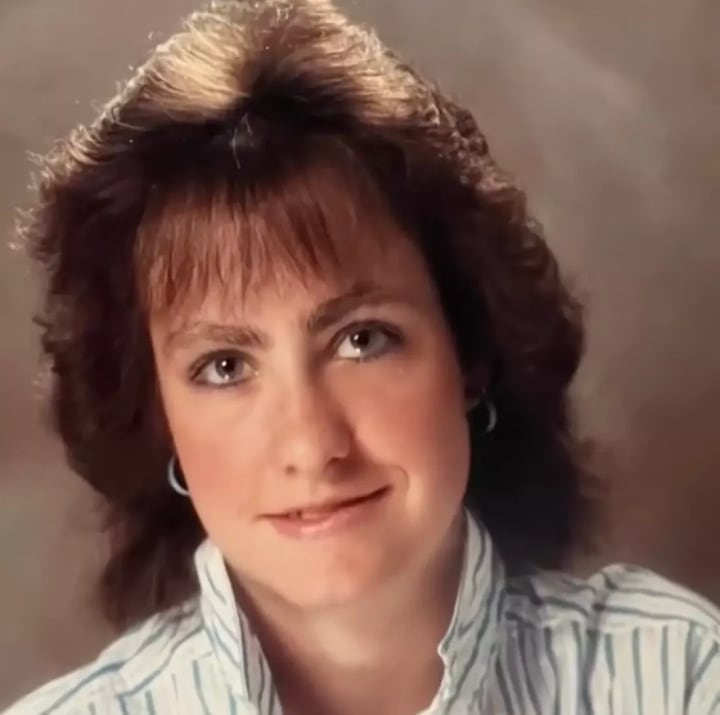
Tracy Whitney was supposed to be picking up her paycheck that August day in 1988.
The 18-year-old Federal Way resident had her whole life mapped out. She was young, beautiful, and full of the kind of energy that makes parents proud and friends jealous.
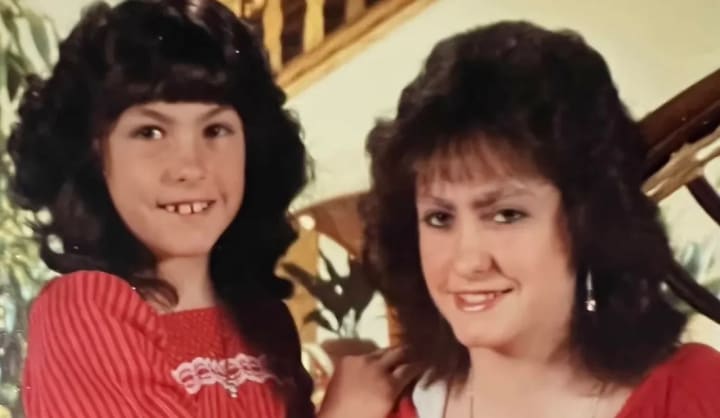
But somewhere between leaving her house and never making it to work, Tracy crossed paths with evil.
She vanished without a trace. No witnesses saw her abduction. No one heard her scream. One minute she was there, the next she was gone.
Her family started searching immediately. They called friends, checked hospitals, filed missing person reports. They put up flyers with Tracy’s smiling face all over Federal Way.
“Have you seen this girl?”
The answer, tragically, came four days later floating in the Puyallup River.
. . .
The Crime Scene That Haunted Investigators
When the medical examiner finished Tracy’s autopsy, the full horror of what she endured became clear.
Cause of death: Asphyxia by strangulation and probable smothering.
But that wasn’t all. Tracy had suffered multiple blunt force trauma injuries. She’d been sexually assaulted. And then her killer had stripped her naked and thrown her body into the river like she was nothing.
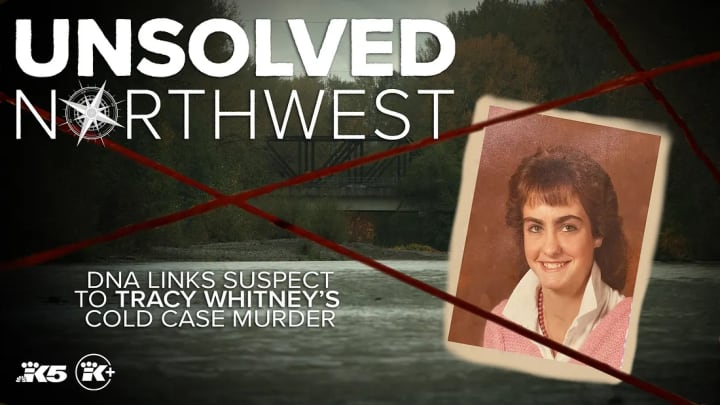
Pierce County detectives worked the case hard. They interviewed anyone who knew Tracy. They followed every lead, no matter how small. They collected physical evidence from her body and preserved it carefully.
But in 1988, DNA testing was still in its infancy. Genetic genealogy didn’t exist. Without a suspect already in custody, there was no one to compare the DNA to.
The case went cold.
Tracy’s killer walked free.
For 36 years.
. . .
The Family That Never Stopped Hoping
Imagine losing your daughter and never knowing who took her from you.
Imagine going to bed every night for 36 years wondering if her killer was still out there. Still free. Maybe still hurting other families.
That was reality for Tracy Whitney’s loved ones.
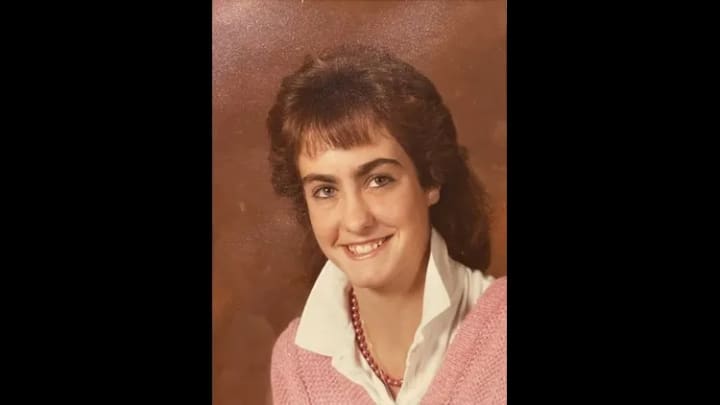
They never gave up. They called the Pierce County Sheriff’s Office regularly, asking if there were any new developments. They attended victim advocacy meetings. They kept Tracy’s memory alive.
They never stopped believing this day would come.
“We always had hope,” Tracy’s family said when the case was finally solved. “We knew someday science would catch up.”
They were right. But it took nearly four decades.
. . .
The Cold Case Unit That Wouldn’t Quit
Pierce County’s Cold Case Unit has a reputation. They don’t give up. Ever.
Detective after detective worked Tracy’s case over the years. They’d pull out the file, review the evidence, look for new angles. When DNA testing improved, they’d send samples for retesting.
In 2024, they decided to try something that didn’t exist when Tracy was murdered: genetic genealogy.
This isn’t your normal DNA testing. This is detective work that goes back centuries.
Scientists take DNA from a crime scene and build entire family trees. They track bloodlines through immigration records, birth certificates, marriage licenses, death certificates. They follow genetic threads through hundreds of years of American history.
It’s like having a time machine that traces killer’s bloodlines back to the 1700s.
. . .
The Laboratory Where Time Stands Still
The DNA sample from Tracy’s case went to Parabon NanoLabs in Virginia.
If you’ve never heard of Parabon, you should know they’re the people who solve the impossible cases. They’re the ones who caught the Golden State Killer. They’re the genetic detectives who give voices to victims whose killers thought they’d never be caught.
When Parabon’s genealogists got Tracy’s killer’s DNA, they uploaded it to massive genetic databases. Then they started building.
Branch by branch.
Generation by generation.
Century by century.
They traced the killer’s family line all the way back to the 1700s. They followed his ancestors through the Revolutionary War, the Civil War, westward expansion, immigration waves.
They built a genetic roadmap that led straight to Tracy’s killer.
. . .
The Name That Changed Everything
After months of painstaking work, Parabon’s genealogists had their answer.
John Guillot Jr.
65 years old. Lived quietly in Washington state. No criminal record. No connection to Tracy Whitney that anyone could find.
A complete stranger who had destroyed a family for absolutely no reason.
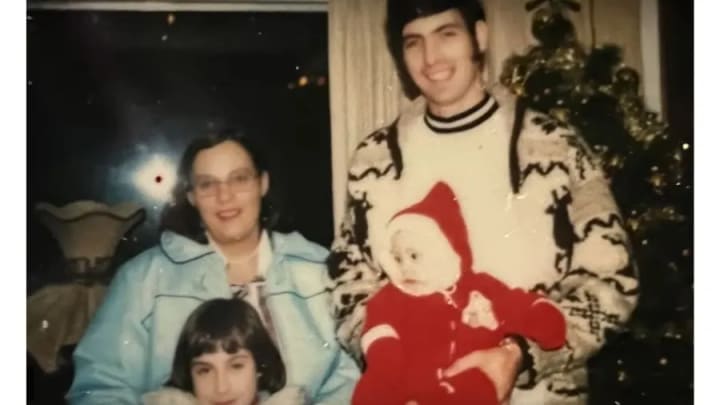
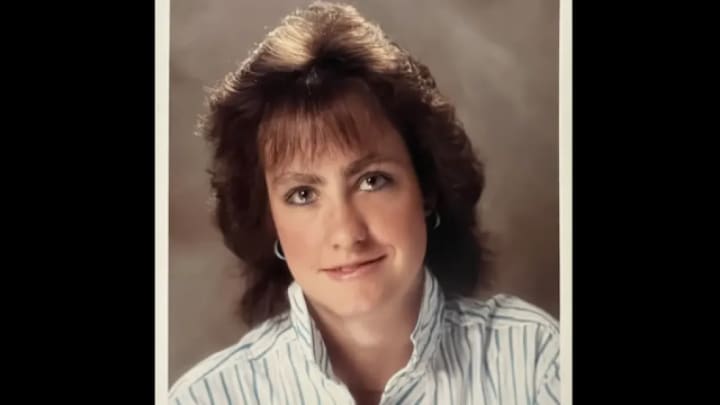
John Guillot Jr. — the man who killed Tracy Whitney and lived free for 36 years
Pierce County detectives were excited. Finally, after 36 years, they had their killer. They prepared to make an arrest. To get answers. To give Tracy’s family the closure they’d been waiting for.
But when they went to find John Guillot Jr., they got devastating news.
He was dead.
Cancer had killed him eight months earlier.
Justice had missed him by 243 days.
. . .
Death Doesn’t Stop DNA
Just because Guillot was dead didn’t mean the case was over.
Pierce County detectives tracked down Guillot’s biological son. They explained the situation and asked for a DNA sample to confirm their findings.
The son agreed. He wanted to know the truth as much as Tracy’s family did.
When the lab results came back, there was no doubt.
John Guillot Jr. was Tracy Whitney’s killer.
The DNA evidence was so strong it would have convicted him in any courtroom in America. But the only judgment he would face now was from whatever comes after death.
Science had finally given Tracy her voice. But her killer had escaped earthly justice.
. . .
The Random Violence That Terrifies Everyone
Here’s what makes Tracy’s case so disturbing: It was completely random.
Detectives found no connection between Tracy and John Guillot Jr. They’d never met. They didn’t know each other. They didn’t move in the same circles.
This was what law enforcement calls a stranger abduction.
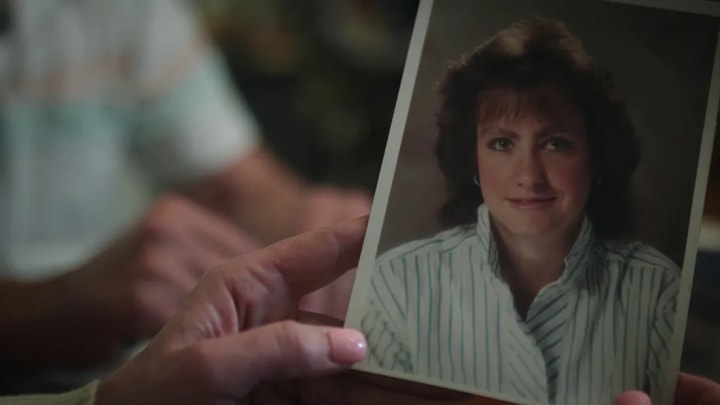
Tracy was just a young woman going about her normal day when she crossed paths with a predator. Guillot saw an opportunity and took it.
He didn’t know her.
He didn’t have a grudge against her.
He just decided to destroy her life because he could.
This is every parent’s worst nightmare. This is why we tell our kids to be careful, to stay aware, to trust their instincts.
Because evil doesn’t always announce itself. Sometimes it looks like a regular guy until it’s too late.
. . .
The Technology That’s Changing Everything
Tracy Whitney’s case represents a revolution in criminal justice.
Before genetic genealogy, cold cases like this stayed cold forever. If you didn’t have a suspect in custody to compare DNA to, you were out of luck.
Not anymore.
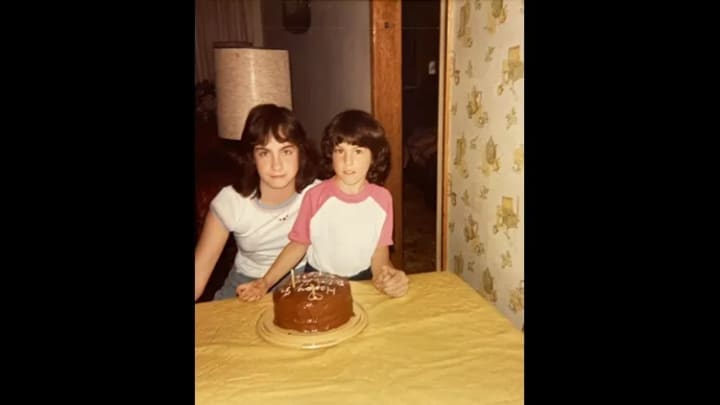
Now scientists can take DNA from a 1980s crime scene and trace the killer’s family tree back to colonial America. They can identify suspects who died decades ago. They can solve cases that seemed hopeless.
Here’s how it works:
- DNA from crime scene gets uploaded to genealogy databases
- Scientists identify distant relatives of the unknown killer
- They build massive family trees using public records
- They narrow down potential suspects through geographic and age analysis
- They test living relatives to confirm the match
- It’s detective work that would have seemed like magic in 1988.
Now it’s routine.
. . .
The Other Families Getting Answers
Tracy Whitney isn’t the only cold case victim getting justice through genetic genealogy.
All across America, families who thought they’d never get answers are finally learning who killed their loved ones.
Pierce County Sheriff’s Office cold case files — dozens of unsolved murders waiting for DNA breakthroughs
The numbers are staggering:
- The Golden State Killer case solved after 44 years
- Dozens of serial killers identified posthumously
- Hundreds of rape cases linked to suspects
- Thousands of families getting closure they never thought possible
Every week brings new breakthroughs.
Every week, some family gets the phone call Tracy’s family got in December 2024.
“We know who killed your daughter.”
. . .
The Press Conference That Brought Closure
December 1, 2024. Pierce County Sheriff’s Office.
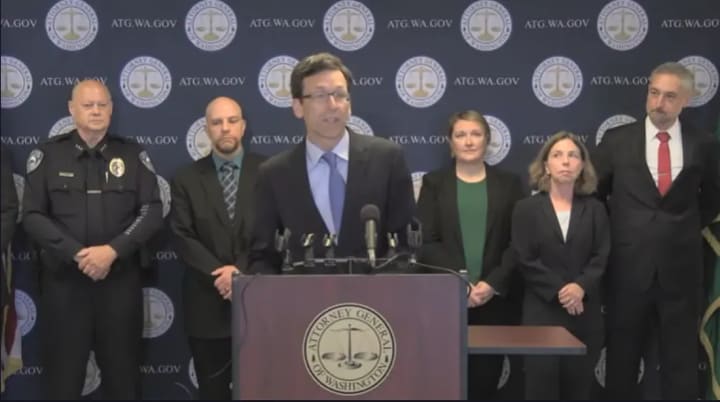
Detectives called a press conference to announce they’d solved Tracy Whitney’s murder.

The room was packed with reporters, victim advocates, and members of Tracy’s family.
Detective Dan Kirkegaard stepped up to the microphone.
“On August 28, 1988, 18-year-old Tracy Whitney was found deceased in the Puyallup River. Today, 36 years later, we can announce that we’ve identified her killer.”
“John Guillot Jr. killed Tracy Whitney.”
The words hung in the air. After 36 years of wondering, Tracy’s family finally had a name.
They finally had answers.
They finally had justice.
. . .
What This Means for Other Killers
If you’re a killer reading this, you should be terrified.
DNA evidence from crimes committed 50 years ago is being solved right now.
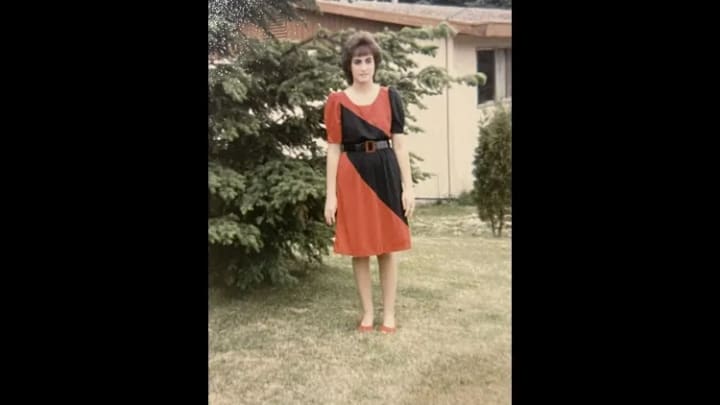
Every hair you left behind. Every drop of blood. Every skin cell. They’re all sitting in evidence rooms across the country, waiting for science to catch up.
And it doesn’t matter if you’re dead.
Genetic genealogy can identify you through your children, your grandchildren, your great-grandchildren. Your DNA signature gets passed down through generations.
You can’t hide from your own genetics.
You can’t escape your own bloodline.
. . .
The Victims Who Are Still Waiting
Tracy Whitney got her justice after 36 years. But she’s one of the lucky ones.
There are thousands of cold case victims across America whose killers are still unknown. Their evidence sits in storage rooms, waiting for the funding and technology to give them voices.
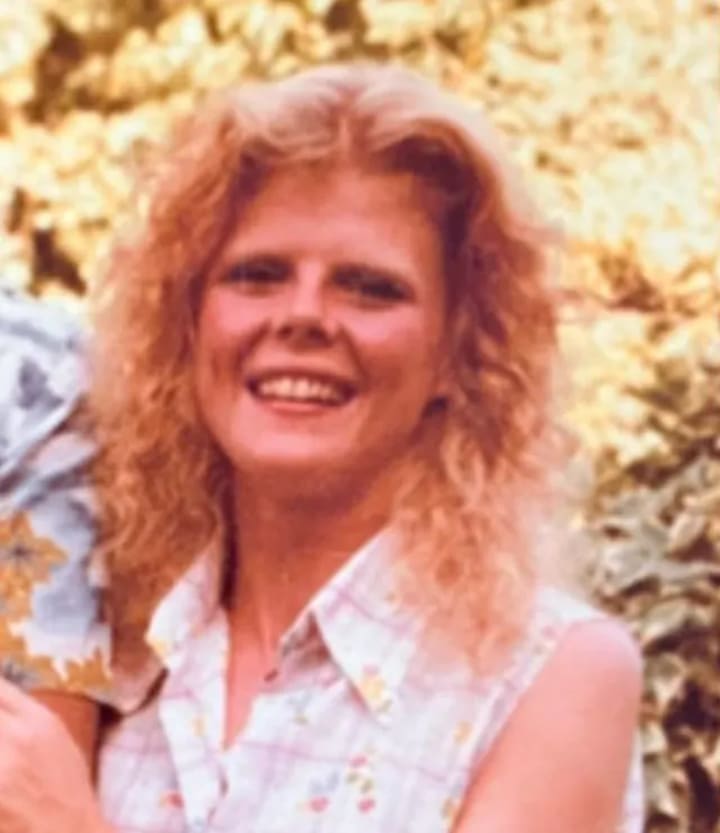
How many more Tracy Whitneys are out there?
How many families are still waiting for answers?
How many killers think they got away with murder?
The technology exists to solve these cases. What’s missing is funding and political will.
Every unsolved murder represents a family that’s been destroyed.
Every cold case is someone’s daughter, son, mother, father.
They all deserve what Tracy Whitney finally got: the truth.
. . .
The Monster’s Final Secret
John Guillot Jr. died thinking he’d gotten away with the perfect crime.
For 36 years, he lived free while Tracy’s family lived in agony. He went to family dinners, celebrated holidays, watched his children grow up.
All while Tracy Whitney lay in her grave, silenced forever.
But even death couldn’t protect him from the truth.
His DNA became his confession. His genetic code became his conviction. His bloodline became his undoing.
Tracy Whitney finally got the last word.
. . .
The Science That Never Gives Up
Here’s what John Guillot Jr. couldn’t have known in 1988:
DNA evidence doesn’t deteriorate like other evidence.
Genetic genealogy can solve cases decades after they happen.
Death is no longer an escape from justice.
Scientists can now take a microscopic amount of DNA from a 40-year-old crime scene and identify not just the killer, but his entire family tree going back centuries.
They can tell you where his great-great-great-grandfather was born.
They can trace his family through immigration records.
They can connect him to living relatives he never knew existed.
It’s detective work that transcends time itself.
. . .
The Family That Never Forgot
Through 36 years of waiting, Tracy Whitney’s family never gave up hope.
They attended victim advocacy meetings. They stayed in touch with detectives. They kept Tracy’s memory alive.
They knew this day would come.
They knew science would eventually catch up.
They knew Tracy would get her justice.
When Pierce County detectives called them in December 2024 with the news that they’d identified Tracy’s killer, the family’s reaction was complicated.
Relief that they finally had answers.
Sadness that Guillot had died before facing justice.
Gratitude to the detectives who never gave up.
And peace, finally, that Tracy could rest knowing her killer had been exposed.
. . .
The Message This Case Sends
Tracy Whitney’s murder sends a clear message to every killer who thinks they got away with it:
Science is coming for you.
DNA doesn’t lie.
Genetic genealogy doesn’t forget.
Death is not an escape.
Every cold case murder from the past 50 years is now potentially solvable. Every piece of biological evidence preserved in storage is a ticking time bomb waiting to expose its killer.
The technology exists.
The science is proven.
Justice is inevitable.
. . .
The Revolution That’s Just Beginning
Tracy Whitney’s case represents the beginning of a new era in criminal justice.
We’re living through a revolution where decades-old murders are being solved monthly. Where serial killers dead for 40 years are being identified. Where families who lost hope decades ago are finally getting answers.
The genetic genealogy revolution that’s solving cold cases across America
This is just the beginning.
Every evidence room in America is filled with DNA samples waiting for analysis.
Every cold case file represents a potential breakthrough.
Every killer who thinks they escaped justice should be looking over their shoulder.
. . .
Tracy’s Final Victory
Tracy Whitney was 18 when John Guillot Jr. ended her life.
She never got to graduate from college. Never got married. Never had children. Never got to live the life she was supposed to have.
But 36 years after her murder, she finally got something else:
Justice.
Her killer’s name is now forever linked to her murder. His family knows what he did. His memory is tainted with the truth.
John Guillot Jr. might have escaped earthly justice.
But he didn’t escape justice entirely.
Tracy Whitney made sure of that.
Her DNA evidence became his conviction. Her case became proof that science will always win in the end.
36 years later, Tracy finally got the last word.
And every killer still alive just got their warning.
About the Creator
Inside the House of Skulls: The Full Timeline of the Jonathan Gerlach Investigation
INVESTIGATION TARGET: JONATHAN C. GERLACH INCIDENT LOCATION: 100 WASHINGTON AVENUE, EPHRATA PA CHARGES: ABUSE OF CORPSE (x100), THEFT, DESECRATION STATUS: INCARCERATED ($1M BAIL) KEYWORDS: #HouseOfSkulls #JonathanGerlach #EphrataCrime #MountMoriah
By Sunshine Firecracker2 days ago in Criminal
Don’t Ask. Don’t Tell. Until Someone Lives To Tell.
By an independent investigative researcher ⸻ A note to the reader This article relies exclusively on public records, court filings, sworn testimony, and contemporaneous reporting. It does not allege criminal coordination beyond what has been established in court. Its purpose is to examine patterns, parallels, and institutional blind spots that emerge when timelines are placed side by side. Patterns are not accusations. But patterns ignored become policy.
By SunshineChristinaa day ago in Criminal
Wild Card Weekend Recap: What Happens Now?
I think I figured out why I love Wild Card Weekend so much. It's because it's the first playoff anything of the calendar year. The NFL season starts in the fall, and once upon a time, the champion was crowned either on or slightly before New Year's. The evolution of the NFL schedule has resulted in the playoffs starting just into the New Year, and currently, the final week of the season falls on the first weekend of the New Year, with Wild Card Weekend coming a week after that. So yes, chronologically, the NFL's Wild Card Weekend serves as the first playoff anything of the calendar year.
By Clyde E. Dawkins7 days ago in Unbalanced


Comments
There are no comments for this story
Be the first to respond and start the conversation.