
HMRC to Fine UK Households £100 for Late Self-Assessment Tax Returns Starting January 2025
A New Era of Accountability for Taxpayers: What You Need to Know About Avoiding Penalties

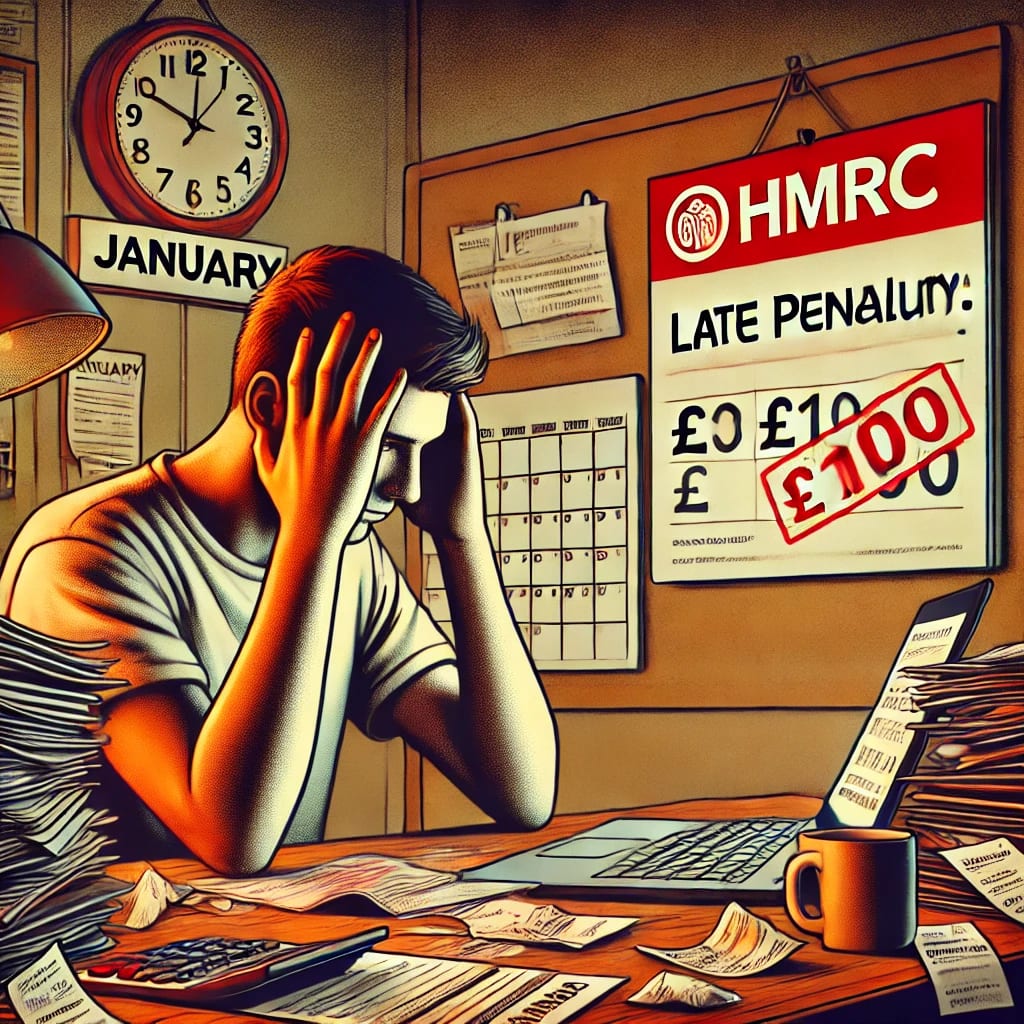
As the New Year ushers in 2025, the HM Revenue and Customs (HMRC) department in the UK is tightening its grip on tax compliance by reinforcing penalties for late self-assessment tax returns. Starting January 2025, UK households who fail to meet the January 31 deadline for filing their self-assessment tax returns will face an automatic £100 fine. This stricter measure is part of HMRC's ongoing efforts to encourage prompt and accurate tax reporting while addressing the challenges posed by an increasingly digital and interconnected economy.
Understanding the New Penalty System
The £100 penalty for late tax filings has long been a feature of the UK's tax system. However, the 2025 enforcement comes with a renewed emphasis on accountability. HMRC’s decision to highlight and implement stricter repercussions stems from a growing number of late submissions and incomplete tax returns in recent years. This year, HMRC has implemented measures to ensure households are more aware of their responsibilities, emphasizing compliance through digital reminders, public campaigns, and penalty warnings.
Whether you’re self-employed, earning income from property, or receiving untaxed income through investments or other means, the self-assessment tax return process applies to you. The fine itself applies automatically after the deadline passes, regardless of whether any tax is owed, underscoring the importance of timely submissions.
Why Has HMRC Stepped Up Enforcement?
Several reasons underlie this stricter enforcement.
Revenue Shortfalls: Late tax returns often delay critical revenue collection, disrupting HMRC's ability to fund essential public services effectively.
Compliance Trends: Recent years have seen a rise in procrastination or negligence among taxpayers, with many underestimating the seriousness of deadlines.
Digital Evolution: With the rollout of the "Making Tax Digital" initiative, HMRC now has more efficient tools to monitor compliance and identify late submissions.
The emphasis on these penalties aligns with broader efforts to modernize and streamline the tax process, ensuring individuals and businesses uphold their civic responsibilities in a timely manner.
Who Will Be Affected?
The £100 fine applies to individuals who meet the following criteria:
You are required to file a self-assessment tax return for the 2023–2024 tax year.
You fail to submit your tax return online by the January 31, 2025, deadline.
The fine is not income-dependent and applies uniformly to all taxpayers obligated to file, regardless of their earnings or tax liability.
Key Exceptions and Considerations
While the penalty is stringent, there are certain scenarios where taxpayers may be exempt:
Reasonable Excuse: HMRC allows individuals to appeal the fine if they have a "reasonable excuse." Examples include serious illness, bereavement, or unexpected technical issues during submission.
Zero Tax Liability: Though rare, individuals who owe no tax may be able to appeal or waive penalties, though this is not automatic.
Immediate Submission Post-Deadline: Filing within a few days after the deadline might result in leniency if paired with a valid explanation.
How to Avoid the £100 Penalty
Staying ahead of tax deadlines is the simplest way to avoid fines. Below are actionable tips to ensure compliance:
Mark Your Calendar: Highlight January 31, 2025, as the self-assessment filing deadline. Consider setting digital reminders.
Use HMRC's Digital Tools: Take advantage of the online self-assessment platform and mobile app for a seamless filing process.
Organize Financial Documents Early: Gather income statements, expense records, and other necessary documentation well in advance.
Seek Professional Help: If your tax affairs are complex, consider hiring an accountant or tax adviser.
Submit Early: Filing your tax return months before the deadline eliminates last-minute stress and avoids potential issues.
Penalties Beyond £100
While the automatic fine is £100, penalties can escalate quickly if the delay persists. For instance:
Three Months Late: Additional daily fines of £10 (up to a maximum of £900) may be imposed.
Six Months Late: A further penalty of either £300 or 5% of the tax due (whichever is higher).
Twelve Months Late: Another penalty of £300 or 5% of the tax due, with potential additional fines in cases of deliberate non-compliance.
These cumulative penalties underscore the importance of addressing tax obligations promptly to avoid significant financial burdens.
Digital Advancements in Tax Filing
As HMRC continues to modernize its operations, digitalization plays a central role in compliance and enforcement. The "Making Tax Digital" initiative simplifies tax reporting through user-friendly software, reducing errors and making the process more transparent. However, this digital shift also leaves little room for oversight, as HMRC now has greater visibility into taxpayers' financial activities.
For those unfamiliar with digital tax filing, HMRC offers extensive resources, including online tutorials, webinars, and customer support, ensuring that everyone can navigate the system effectively.
The Broader Implications
The introduction of stricter penalties reflects HMRC's broader goal of fostering a culture of responsibility among taxpayers. While the £100 fine may seem steep to some, it serves as a wake-up call, emphasizing the need for timely compliance. For the government, this measure reinforces the importance of steady revenue collection in supporting public infrastructure and services.
At the individual level, the policy also underscores the importance of financial literacy and proactive planning. Taxpayers must now take their filing responsibilities more seriously, ensuring they understand their obligations and utilize available resources to meet them.
Final Thoughts
Starting January 2025, UK households face an automatic £100 fine for late self-assessment tax returns, marking a pivotal moment in HMRC's push for accountability. While the penalties are designed to deter negligence, they also highlight the need for improved taxpayer education and support.
For those who rely on the self-assessment system, the message is clear: don’t delay. By embracing digital tools, organizing your finances early, and seeking professional advice when necessary, you can avoid fines and contribute to the nation’s financial stability.
Whether this stricter policy will achieve its intended goals remains to be seen, but one thing is certain: the era of leniency is over. UK households must now adapt to a more structured and disciplined approach to tax filing.
About the Creator
Emma Grace
My name is Emma Grace and I've been working as an article writer for the past three years in the Digital Marketing industry. If you have any questions, please feel free to contact me or visit oue site Softon Rank
Keep reading
More stories from Emma Grace and writers in Criminal and other communities.
How Many Years Are in a Week? A Playful Exploration of Time and Perception
Have you ever had a week that felt so intense, so packed with emotions, events, and experiences, that it seemed to stretch into eternity? Conversely, perhaps you've breezed through a week so uneventful and routine that it vanished before you even noticed. While we know, scientifically, that a week is always seven days, these wildly contrasting perceptions of time beg the question: “How many years are in a week?”
By Emma Graceabout a year ago in Education
The "Revitalization" Lie: How Ephrata’s Obsession with 'Curb Appeal' Hid a House of Horrors
The Brand vs. The Bodies If you walk down Main Street today, you will see the banners. You will see the matching flower pots. You will see the "Welcome to Ephrata" signs designed to project an image of quaint, small-town prosperity.
By Sunshine Firecracker4 days ago in Criminal
A $600 Car That Became a Trap
A $600 used Chevrolet Monte Carlo sat in a parking lot at Chicago O’Hare International Airport long enough to turn into a six figure problem. By the time the situation became public, the car had been cited a record 678 times and the balance attached to it was reported at more than $106,000. The person whose life was upended was not the person accused of abandoning the vehicle, but the woman whose name was on the registration: Jennifer Fitzgerald.
By Rare Stories6 days ago in Criminal




Comments
There are no comments for this story
Be the first to respond and start the conversation.