
FBI in Mississippi: The Role of the Jackson Field Office in Protecting Communities
fbi mississippi

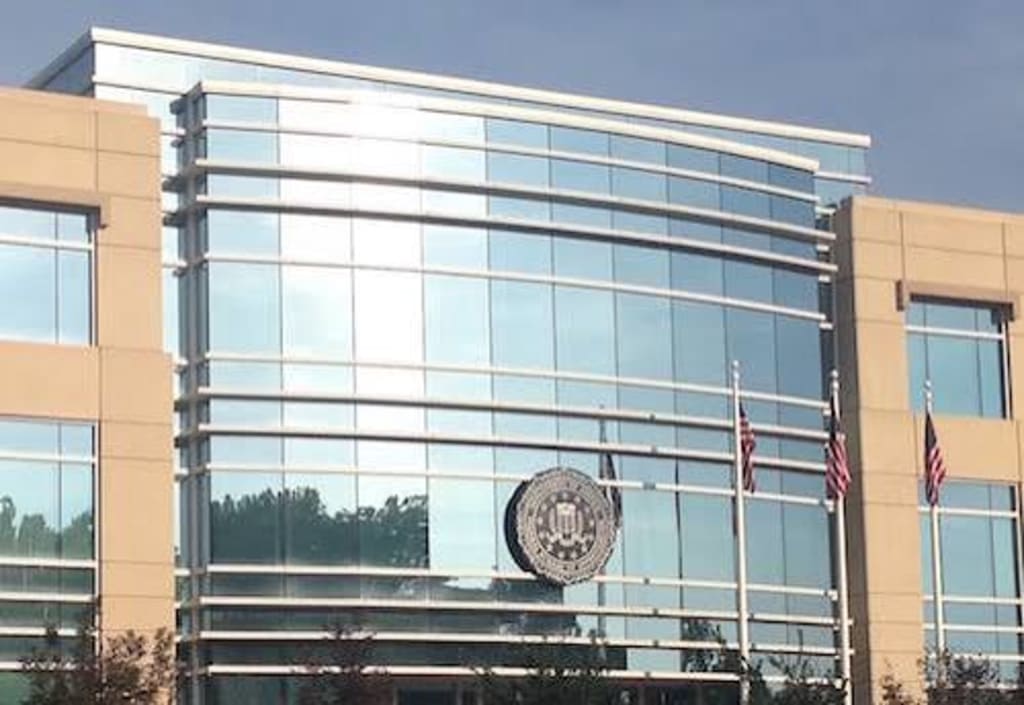
The Federal Bureau of Investigation’s Jackson Field Office in Mississippi plays a vital role in maintaining law and order, protecting civil rights, and supporting local law enforcement agencies across the state. As the main branch of the FBI operating in Mississippi, this office handles federal crimes, national security investigations, and joint operations with state and municipal police departments. Its mission reflects the broader purpose of the FBI: to protect the American people while upholding the Constitution and ensuring justice for all.
The Jackson Field Office operates in a state that presents unique social and geographic challenges. Mississippi has a mix of rural and urban areas, with a long history of complex law enforcement issues ranging from public corruption and organized crime to civil rights violations. Because of these factors, the FBI’s presence in Mississippi is essential—not only for investigating federal crimes but also for supporting local agencies that may lack the resources to handle large or sensitive cases.
The office focuses on several major areas: violent crime, public corruption, organized crime, cyber threats, child exploitation, terrorism prevention, and civil rights enforcement. The FBI in Mississippi often leads investigations involving law enforcement misconduct, hate crimes, or public officials accused of abusing their authority. It also plays a leading role in tackling online fraud, identity theft, and other cyber offenses that have become increasingly common in recent years.
One of the defining features of the Jackson Field Office is its collaboration with state and local law enforcement. Many investigations in Mississippi involve joint task forces that combine federal agents, state troopers, and local police officers. This partnership allows for better information sharing, resource pooling, and coordination in complex cases such as large drug trafficking operations or multi-county criminal networks. These task forces help bridge the gap between local policing and federal investigative power.
The FBI’s work in Mississippi is not limited to solving crimes; it also involves community outreach and education. The office frequently organizes programs aimed at improving public trust and cooperation. These include school visits, workshops on cyber safety, and initiatives encouraging residents to report suspicious activity or fraud. The FBI emphasizes that community members play a vital role in keeping their neighborhoods safe—especially in rural areas where federal agents rely heavily on local awareness.
Residents of Mississippi often ask what kinds of cases the Jackson Field Office investigates. The answer is broad: it handles cases involving terrorism, major fraud, organized crime, public corruption, violent gangs, and civil rights violations. The office also assists in missing persons cases, child exploitation investigations, and online crimes targeting vulnerable individuals. While some of these cases are initiated by federal intelligence, many start with tips from the public or referrals from local law enforcement.
Another frequent question concerns how to report crimes or provide tips. The FBI encourages people to reach out directly to the Jackson Field Office or use national online reporting channels. Reports can be made anonymously, and every tip is reviewed by trained investigators. This direct connection between citizens and federal law enforcement ensures that potential threats are identified quickly and handled appropriately.
Operating in Mississippi presents several challenges for the FBI. Rural areas often have fewer law enforcement resources, meaning federal support becomes crucial in investigations that require advanced technology, forensic analysis, or extensive coordination. Additionally, the state’s geography—characterized by major highways, river routes, and agricultural zones—creates opportunities for illegal activities such as drug trafficking and human smuggling. The Jackson Field Office must adapt its strategies to handle both urban and rural threats efficiently.
The office also places special emphasis on protecting civil rights. Mississippi has a deep and complex history when it comes to racial justice and equality, and the FBI continues to monitor and investigate hate crimes, discrimination, and violations of individual freedoms. Agents work closely with advocacy groups, schools, and community leaders to ensure that all residents, regardless of background, are treated fairly under the law.
Beyond enforcement, the FBI in Mississippi focuses on preventing crime before it happens. Through intelligence gathering, analysis of criminal patterns, and partnerships with local institutions, the agency seeks to identify risks early and disrupt criminal networks before they can cause harm. This proactive approach has helped reduce incidents of organized criminal activity and improved safety across the state.
Looking ahead, the Jackson Field Office is expected to increase its focus on cybercrime and digital threats. As technology continues to evolve, Mississippi faces new forms of online scams, data breaches, and financial fraud. The FBI’s cyber division is investing in advanced tools and training to detect, investigate, and prevent these offenses. This modernization ensures that the bureau remains effective in an era where much of crime has moved online.
Ultimately, the FBI’s presence in Mississippi—through the Jackson Field Office—serves as a cornerstone of justice and security. It represents a bridge between federal authority and local law enforcement, ensuring that even the most remote areas of the state have access to national investigative resources. By addressing corruption, combating organized crime, protecting civil rights, and building community trust, the FBI continues to uphold its mission to protect the people and strengthen the integrity of law and justice in Mississippi.
About the Creator
America today
Breaking news, political insights, real-time analysis, U.S. politics, global politics, elections, government policies, international relations, diplomacy, political debates, trending political stories, expert commentary, factual reporting,.
Keep reading
More stories from America today and writers in Criminal and other communities.
Rising Storm in the Caribbean: The Growing Tensions Between the United States and Venezuela
Rising Storm in the Caribbean: The Growing Tensions Between the United States and Venezuela** In recent months, tensions between the United States and Venezuela have reached their highest point in years, transforming what was once a largely diplomatic and economic standoff into a situation filled with military signals and open hostility. The deployment of a U.S. aircraft carrier group to the Caribbean and the arrival of a U.S. warship in Trinidad and Tobago have fueled fears of possible military confrontation. Venezuela’s government has condemned these actions as direct threats to its sovereignty, while Washington insists the operations are meant to maintain regional security and counter illegal activities.
By America today 5 months ago in Criminal
The Shocking Case of Brian Stewart:
The Shocking Case of Brian Stewart: When a Father Injected His Own Son with HIV In 1992, the quiet city of St. Charles County, Missouri, became the backdrop for one of the most chilling and unsettling crimes in modern medical history. Brian Stewart, a trained phlebotomist, used his knowledge and access to medical resources to deliberately harm his infant son. The case is not only a tragic story of parental betrayal but also a cautionary tale about the vulnerabilities inherent in medical access, the motivations that drive horrifying decisions, and the resilience of the human spirit.
By Dakota Denise a day ago in Criminal
Oil at War: The Strait of Hormuz Crisis and the Rising Iran–Israel–US Conflict
Oil at War: The Strait of Hormuz Crisis and the Rising Iran–Israel–US Conflict The Middle East has once again become the center of global attention as tensions between Iran, Israel, and the United States intensify. At the heart of this crisis lies one of the world’s most strategic waterways: the Strait of Hormuz. This narrow maritime corridor carries a huge portion of the world’s oil supply, and any disruption here has the power to shake the global economy.
By Wings of Time about 12 hours ago in Criminal
Hottest in the Office
Dear Rafi, You’re very distracting to work around. For the first second I saw you the other day, I thought you were some type of executive. It took a moment to realize no, you were just the new guy, dressed up for the job he wants. Be still, my heart.
By Gabriel Shames6 days ago in Pride



Comments
There are no comments for this story
Be the first to respond and start the conversation.