
Famous Courtroom Dramas That Changed Legal History
Famous Courtroom Dramas

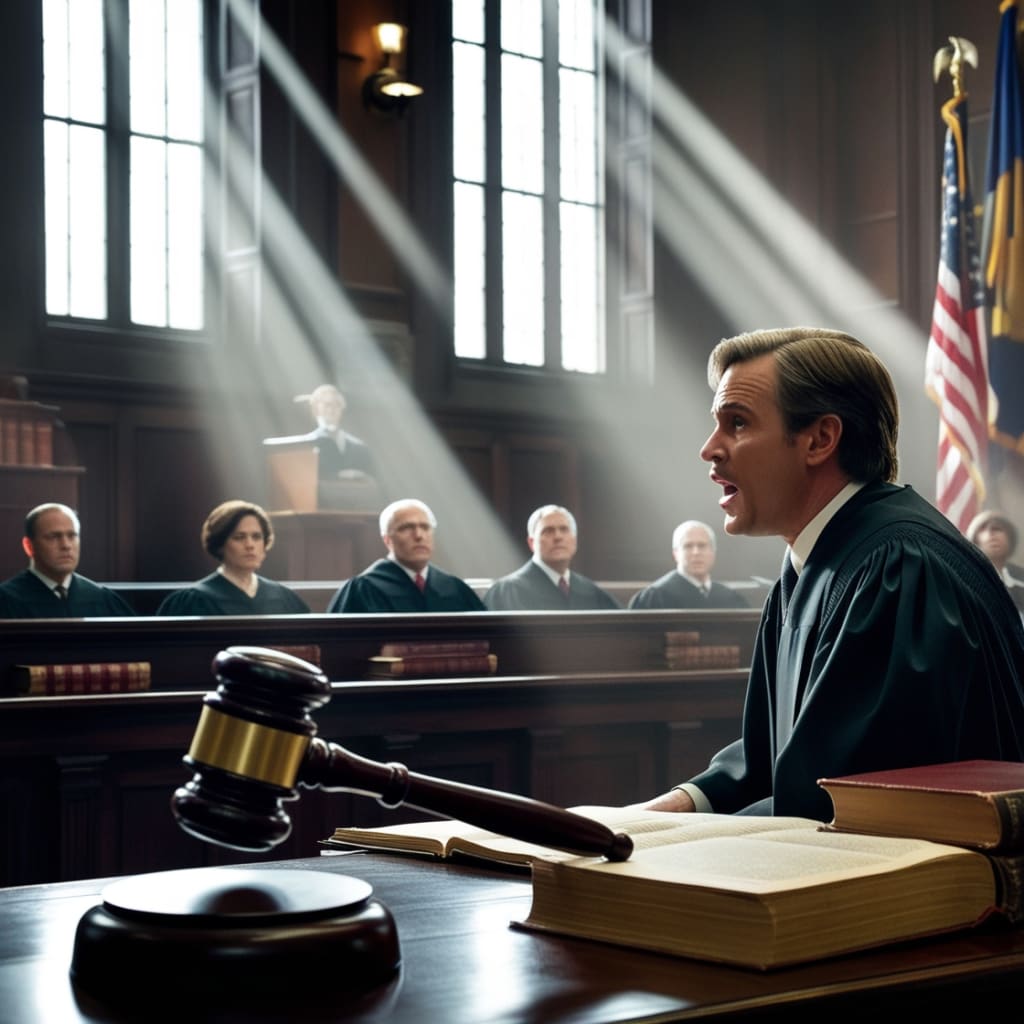
Some court cases are so powerful they leave a permanent mark on society. These famous courtroom dramas were not just legal battles; they were turning points in history. They raised crucial questions, challenged old ideas, and often changed the course of laws, culture, or even human rights. Whether it was a fight for justice, freedom, or truth, these cases stirred public emotion and forced society to look inward. What follows are some of the most impactful courtroom dramas that changed the legal landscape forever.
In 1925, the small town of Dayton, Tennessee became the center of a national debate during what came to be known as the Scopes Monkey Trial. John T. Scopes, a high school biology teacher, was charged with violating a state law by teaching Charles Darwin’s theory of evolution. The trial quickly escalated into a national media event, with two iconic figures—Clarence Darrow and William Jennings Bryan—going head-to-head in the courtroom. While Scopes was found guilty and fined $100, the trial highlighted the growing tension between science and religion, and more broadly between progress and tradition. Though it didn't change the law immediately, the trial inspired future challenges to religious control over education and became a symbol of the fight for academic freedom.
Another landmark case that rocked the nation was Brown v. Board of Education in 1954. At a time when racial segregation was considered normal in many parts of the United States, this case challenged the doctrine of "separate but equal" that had been in place since Plessy v. Ferguson in 1896. The U.S. Supreme Court unanimously ruled that racial segregation in public schools was unconstitutional, overturning decades of accepted practice. This ruling didn’t just affect schools; it was a catalyst for the entire Civil Rights Movement. It gave legal weight to the fight against segregation and inspired countless others to challenge racial injustice in courts across the country.
Fast forward to 1971, and the Pentagon Papers trial became a defining moment for freedom of the press in the United States. The case involved Daniel Ellsberg, a military analyst who leaked classified documents revealing the U.S. government's secret involvement in the Vietnam War. When the New York Times and Washington Post published the papers, the Nixon administration sued to stop further publication. In a dramatic decision, the Supreme Court ruled in favor of the newspapers, reinforcing the First Amendment and ensuring that the government could not use vague claims of national security to suppress freedom of the press. The trial highlighted the importance of transparency in government and the role of journalism in holding leaders accountable.
In 1966, the Miranda v. Arizona case forever changed police procedures in America. Ernesto Miranda was arrested and confessed to a crime without being informed of his rights to an attorney or to remain silent. The Supreme Court ruled that his confession was inadmissible because he hadn’t been properly informed of his constitutional rights. The result was the creation of the "Miranda rights"—a standard police warning now recited during every arrest. This courtroom drama reshaped law enforcement practices and significantly increased protections for defendants under the Fifth and Sixth Amendments.
The Nuremberg Trials, held after World War II, stand as one of the most monumental series of courtroom proceedings in global history. These trials prosecuted top Nazi officials for crimes against humanity, genocide, and war crimes. For the first time in history, leaders were held individually accountable for state-sponsored atrocities. The trials established principles that are now foundational to international law, including the idea that following orders is not a valid defense for committing atrocities. These proceedings also laid the groundwork for future international courts, such as the International Criminal Court in The Hague.
One cannot forget the O.J. Simpson trial of 1995, which became one of the most publicized courtroom dramas in modern history. Simpson, a former football star and actor, was accused of murdering his ex-wife Nicole Brown Simpson and her friend Ronald Goldman. The trial was televised and followed by millions, becoming a media circus. Despite overwhelming DNA evidence, Simpson was acquitted, sparking outrage and conversations about race, celebrity privilege, and the justice system. Though it did not set a legal precedent, the trial changed how the media covers criminal cases and influenced public opinion about the legal system.
In 2003, the Lawrence v. Texas case reached the Supreme Court and marked a major victory for LGBTQ+ rights in the United States. The case began when two men were arrested in Texas for engaging in consensual sex, which was still considered a crime under the state’s sodomy laws. The Supreme Court struck down the Texas law, stating it violated the due process clause of the Fourteenth Amendment. This decision overturned the earlier Bowers v. Hardwick ruling and laid the legal foundation for future victories, including the eventual legalization of same-sex marriage. The case was a dramatic and emotional moment for equality and personal liberty.
Another high-impact case was Roe v. Wade in 1973, which legalized abortion nationwide. The case was brought by “Jane Roe,” a pseudonym for Norma McCorvey, who challenged Texas laws that made abortion illegal except to save a woman’s life. The Supreme Court ruled that the right to privacy under the Fourteenth Amendment extended to a woman’s decision to have an abortion. Although the ruling was overturned in 2022, for nearly 50 years Roe v. Wade shaped American political and legal discourse on reproductive rights and personal freedom.
The trial of Nelson Mandela and his co-defendants in the 1963 Rivonia Trial was one of the most famous courtroom dramas in South African history. Charged with sabotage against the apartheid regime, Mandela used the courtroom as a platform to speak out against racial injustice. In his now-famous speech from the dock, he stated that he was prepared to die for a democratic and free South Africa. Though he was sentenced to life imprisonment, the trial helped elevate Mandela to a symbol of resistance, and eventually, global peace and reconciliation. His imprisonment, and the injustice of the trial, sparked international condemnation and pressure on the apartheid regime.
These courtroom dramas share a common thread: they transcended the legal system and shaped society itself. From questions of civil liberties to international human rights, the impact of these trials lingers long after the gavels fell. They show us that the courtroom isn’t just a place for resolving disputes—it’s also a powerful stage where values are challenged, systems are questioned, and history is written.
Whether it was fighting against racism, defending freedom of speech, or holding powerful regimes accountable, these trials reveal the power of the legal system to act as a mirror to society. And while laws may change, the stories behind these courtroom dramas continue to inspire generations to think critically about justice, equality, and the rule of law.
About the Creator
Muhammad Asim
Welcome to my space. I share engaging stories across topics like lifestyle, science, tech, and motivation—content that informs, inspires, and connects people from around the world. Let’s explore together!
Keep reading
More stories from Muhammad Asim and writers in Criminal and other communities.
When Justice Fails
Justice is supposed to protect the innocent and punish the guilty. But sometimes, the system that promises fairness delivers something else entirely—misjudgment, bias, and irreversible consequences. Every time an innocent person is convicted of a crime they didn’t commit, it sends shockwaves not only through their life but through the entire framework of trust we place in the courts. These aren’t just headlines. These are real stories of wrongful convictions that show what happens when justice fails—and why it matters for all of us.
By Muhammad Asim9 months ago in Criminal
Murdering the love of Sarah Maguire
January 2022, it was a cold winter in Tulsa, Oklahoma, one that felt colder than most for some of us in the city. If one were to be out in the evening air of the cold, it was bone chilling to the soul. On an evening like this one who wouldn’t enjoy a good home cooked meal by someone who seemed to care about them? Right, Folks?
By Cassie Moore4 days ago in Criminal
Nuclear Firestorm
When a modern nuclear weapon explodes, the world inside its blast zone changes in a matter of seconds. The moment the weapon detonates, a blinding flash of light brighter than the sun fills the sky. Temperatures at the center of the explosion can reach millions of degrees, hotter than the surface of the sun. Everything close to the explosion—buildings, trees, vehicles, and living creatures—is instantly vaporized.
By imtiazalama day ago in Criminal



Comments
There are no comments for this story
Be the first to respond and start the conversation.