
"Exposing the Dark Side of Banking: How Banks Cheat Their Customers and What You Can Do About It"
"Uncovering the Truth: How to Protect Yourself from Bank Cheating Schemes"

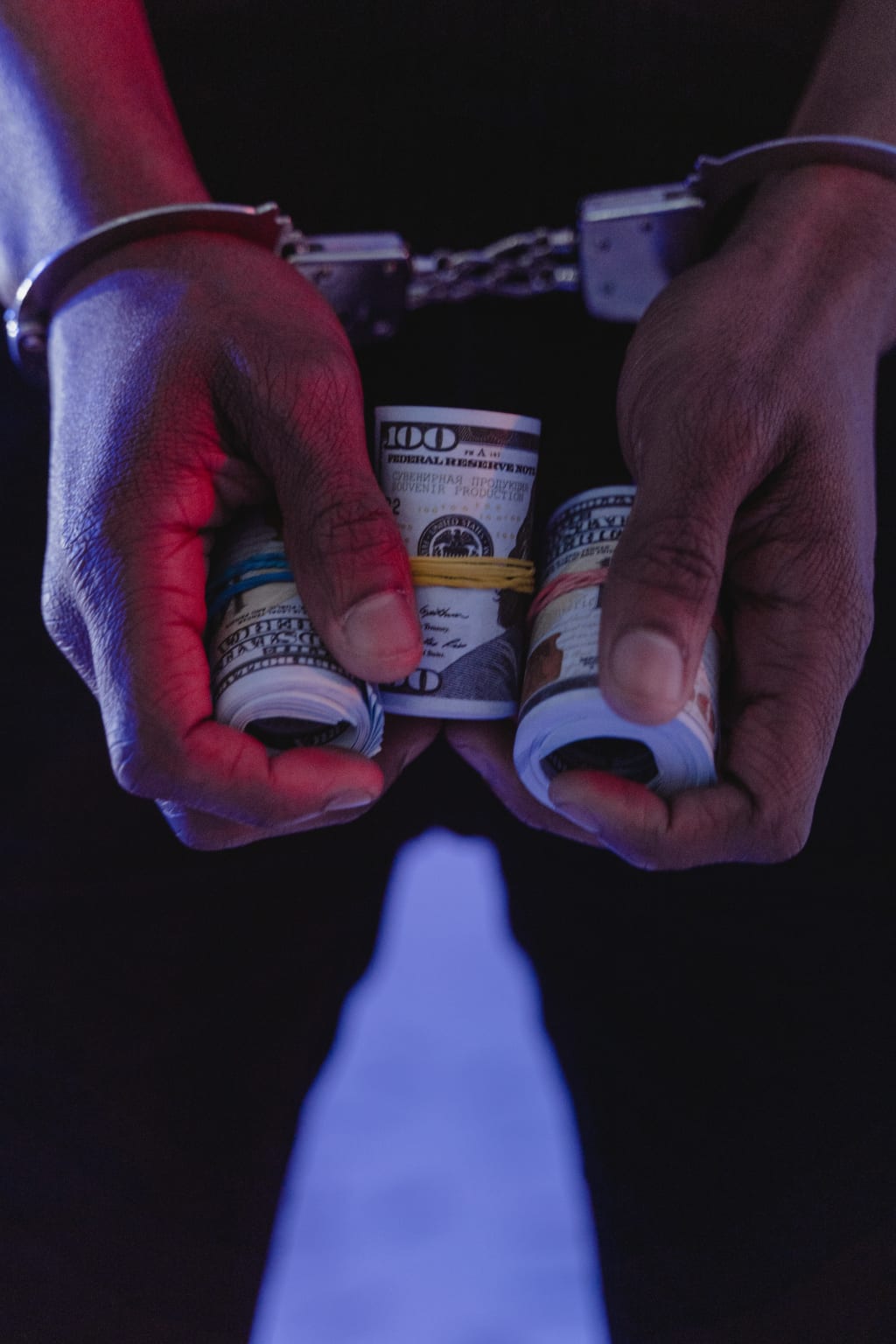
Banking is an essential aspect of our daily lives. We rely on banks to keep our money safe, provide us with loans and credit, and offer financial advice and guidance. However, just like any other industry, the banking sector is not immune to misconduct and unethical behavior. In recent years, we have witnessed several instances of banks cheating their customers, leading to significant losses and financial distress for many individuals and families.
"The trust of the innocent is the liar's most useful tool." - Stephen King
One of the most common ways that banks cheat their customers is by charging hidden or excessive fees. These fees can come in many forms, such as monthly maintenance charges, ATM fees, or penalties for not maintaining a minimum balance. These fees may not always be disclosed upfront, and customers may only realize they are being charged when they receive their monthly statement. In some cases, these fees can add up to significant amounts, leading to financial hardship for customers.
Another way that banks can cheat their customers is by misrepresenting the terms of a loan or credit product. Banks may offer loans or credit cards with attractive interest rates and terms, only to later reveal hidden fees or penalties that make the deal much less favorable. Banks may also use misleading language or fine print to conceal the true costs and risks associated with a financial product.
Discriminatory lending practices are another form of cheating by banks. Banks may discriminate against certain groups of people based on their race, gender, age, or other factors, making it more difficult for them to obtain loans or credit. This not only harms the individuals who are discriminated against, but it also undermines the stability and integrity of the overall banking system.
The banks can also cheat their customers by failing to properly disclose the risks of a financial product. Banks may push high-risk investments, such as stocks or real estate, without fully informing customers of the potential downsides. This can lead to significant financial losses for customers who are not prepared for the risks associated with these types of investments.
Moreover, the banks can cheat their customers by providing inaccurate or misleading information about investment opportunities. Banks may exaggerate the potential returns or downplay the risks of an investment, leading customers to make poor financial decisions.
Improperly handling or mismanaging customer accounts is another way that banks can cheat their customers. Banks may fail to properly process transactions, apply charges incorrectly, or mishandle customer complaints. This can lead to confusion, frustration, and financial losses for customers.
Lastly, banks can also engage in illegal activities, such as money laundering or fraud. These activities can have severe consequences for customers, including financial losses, criminal charges, and damage to their credit score.
It's important to note that not all banks engage in these types of activities, and many have strict compliance and ethics policies in place to prevent such behavior. However, if you suspect that a bank has cheated you, it's important to file a complaint with the bank's customer service department or with a government regulatory agency such as the Consumer Financial Protection Bureau or the Federal Reserve. By reporting any suspicious behavior, you can help protect yourself and others from financial fraud and misconduct.
In conclusion, the banking sector plays a vital role in our economy, and we rely on banks to provide us with a variety of financial services. However, we must also be vigilant and aware of the ways that banks can cheat their customers. By being aware of the signs of misconduct and taking action when necessary, we can help ensure that the banking system remains fair and transparent for all.
"Banking is not a game. It is a serious business." - Ralph Nader
About the Creator
Keep reading
More stories from thines varma and writers in Criminal and other communities.
"Exploring the Dark Side of TikTok: A Cautionary Tale"
TikTok, the popular social media platform known for its short videos and catchy music, has a dark side that many users may not be aware of. While the platform can be a source of entertainment and joy for many, it can also have serious negative effects on individuals and communities.
By thines varma3 years ago in Criminal
Who Was The Lady in Room 2805?
Jennifer Fairgate, a friendly woman who spoke with a German accent, checked into Room 2805 at the Oslo Plaza Hotel in Norway on May 31, 1995. She arrived alone and paid for the room in cash. Hotel staff did not request identification.
By Criminal Matters3 days ago in Criminal
The Murder Sheet Podcast links TX killing To KY Cold Case
At a time when violent crimes are at historical lows (despite what the current administration claims), there are more true-crime podcasts, books, TV shows, and general interest in the genre. True-crime podcasts are extremely expensive to make because of research costs, public records requests, potential investigator fees, out-of-studio recording costs, and production expenses.
By Frank Racioppi4 days ago in Criminal



Comments (1)
Many banks employ hidden fees, deceptive marketing tactics, and complicated terms to maximize their profits at the expense of their customers. Common issues include unexpected overdraft fees, misleading account terms, and inflated interest rates. To protect yourself, always read the fine print, compare bank fees, and regularly review your statements for any discrepancies. By staying informed and vigilant, you can avoid falling victim to these practices and ensure that your financial interests are safeguarded. https://bank-nearme.com/