
Explained 911 mysterry
What happened to the planes??


Here's the revised transcript:
---
It’s Ben Sliney’s first day as National Operations Manager at the Federal Aviation Administration. "I can recall the morning of 9/11 quite clearly. It was forecast to be an absolutely brilliant day on the East Coast, which is crucial to air traffic control and the running of aircraft without delay." The perfect weather means American Airlines Flight 11 departs Boston on time. But 25 minutes after takeoff, air traffic control is alarmed to hear foreign voices in the cockpit. "The supervisor told me there was a potential hijacking in effect."
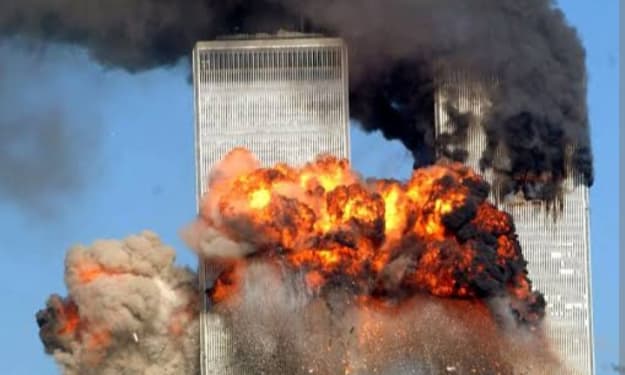
It soon becomes clear this is no ordinary hijack when news bulletins report the North Tower of the World Trade Center has been hit by a plane. "I did not know it was American 11 at that juncture, but I feared the worst." Next, Sliney witnesses the second tower being hit live on TV. "There was a collective gasp in that room that I can still hear in my ear today, followed by an incredible silence."
"To see an aircraft loaded with passengers and crew crash violently and suddenly like that, it’s the most stunning sight I’ve ever seen in my entire career in aviation. I could not get my head around the notion that the hijackers could force a pilot to fly the plane into the building." What Sliney doesn't know is the planes are not being flown by pilots, but by terrorists. And there are two more on their way to hit targets with potentially even greater consequences. The third hijacked plane, American Airlines Flight 77, took off from Washington Dulles Airport and will later impact the Pentagon. The fourth hijacked plane is also on a deadly course for Washington D.C., with jihadist Ziad Jarrah at the controls. But the passengers and crew of United 93 are not letting the plane go down without a fight. "They were not going to be stopped. They were trying to get that airplane back in control and kill or subdue those that had taken the aircraft over."
But the passengers would never have made it into the cockpit had the terrorists not delayed their mission. This is what the movie doesn't explore. What follows is the real story of Ziad Jarrah. The tale begins in Beirut, Lebanon, with an ordinary young man. Ziad Jarrah grew up in an affluent family of secular Muslims and didn’t go to mosque. "He was a party boy. He had a good time. He didn’t live a strict religious life."
At 20 years old, he’s celebrating his acceptance into a junior college in Germany, but college life in the German city of Greifswald is not as exciting as Jarrah imagined. "I don’t know what he expected to find at Greifswald, but what was there wasn’t it. The town is dreary, not hip in any way. It’s cold, it’s dark, and for a guy from the shores of the Mediterranean, it had to be a shock physically." Jarrah initially struggles to make friends, and at this point, two new influences enter his life that will tear him in opposite directions.
The first is a radical Muslim student from Yemen who is vocal about his contempt for Western life, the pseudo preacher Abdulrahman. "I think he came to Germany and was appalled by what he found. He saw these young Muslim men and felt it was his responsibility to keep them on a truer path, not become Westernized, not become corrupt like the West, not to fall away from Islam." Abdulrahman calls Jarrah a weak Muslim who doesn't know how to say his prayers. "So now here’s somebody in his face about not being devout enough, not being pious."
Abdulrahman invites Jarrah to attend his student prayer group. "I hope we will see you there." The second big influence he meets is dentistry student Aysel Senguin. "Aysel is quite pretty, very gregarious, very outgoing, and very popular." Aysel makes fun of Abdulrahman’s reputation as a self-appointed enforcer of Muslim doctrine. When Jarrah starts dating Aysel, his life in Germany seems to get better and he makes plans to study dentistry. "They made a striking couple. Ziad was a handsome young man and they were the center of attention at parties."
But there's an ongoing conflict because Jarrah is also being influenced by the Yemeni’s extreme views of Islam. Against Aysel’s wishes, Jarrah has been attending Abdulrahman’s prayer group. "She objected to his association with Abdulrahman and they fought about that. They broke up, they got back together. It was a fraught relationship."
Despite Aysel’s best efforts, she’s losing the man she loves to extremism. "He wasn’t the happy-go-lucky guy they had all known. He had a demeanor, wanted her to wear a veil, wear different clothes, he wanted to choose her friends." She objected to the new belief system he was beginning to espouse. "She thought it was a dangerous way to go and it made no sense in the modern world."
Aysel's fears are confirmed when Jarrah follows Abdulrahman and his radical friends and moves to Hamburg. Jarrah abruptly quits his plan to study dentistry and switches to aircraft engineering. Abdulrahman introduces Jarrah to Al Quds, a mosque in the city’s red light district. "The depravity of the area offends the devout Muslims. When you walk down Steindamm, you experience the worst of the West. If you needed evidence, you didn’t have to go very far. It’s not theoretical. There’s an Albanian hooker shooting up on the corner. And so, when you walk into the mosque, it’s an escape from the horror of the West, and that horror reinforces everything you’re being told about it being the wrong path."
Jarrah has entered the most radical mosque in Europe. He’s welcomed as a brother and offered solace. "The clubhouse was a place where young men mainly gathered. It was a real companionable aspect to it. A place for people who are away from home, where they could have some part of home or some community of their own." But appearances are deceptive. The men here practice a version of Sunni Islam that is particularly harsh, fundamentalist, and militant. "The rhetoric would peel the paint off the walls. I mean, it’s just horrifying. The preachers would tell these young guys that their duty was to go and be a soldier of Islam, to be a soldier of Allah, and to be vicious about it. The preacher says it’s too bad that we have to kill the young children, but we have to. It’s our duty, and the West made us do this."
The young men soak up the extreme rhetoric. "If you’re 19 or 20 years old, you’re looking for something to believe in. You get this; it can be pretty powerful." Jarrah’s new friends from the mosque invite him to the house of the followers, an apartment on Marienstrasse. "They may seem like any group of young outsiders, but these men will one day be known to U.S. intelligence as the Hamburg terror cell."
"It became sort of the second clubhouse, and they hosted large numbers of their other friends from the mosque there. They would recruit other people to come and learn Islam. They would pray and watch videos and chant and talk about devoting their lives to jihad." The young men discuss a way to express their devotion to Islam. "They talked endlessly about this, and they would argue about it. We should just go have families. We should raise our children the right way. They thought they were pious men. They found a path they thought was righteous. They were trying to find a way to act in a world they saw gone wrong."
They turn their focus to the unrest in the Middle East. "They were watching videos from battlefields of Islamic radicals, reading about Osama bin Laden. Everything was coalescing right there. Their anger, their fury was building up toward the West, toward the United States. Eventually, they decided that what they were called upon to do as devout young men was to go fight on behalf of their beliefs."
"To say that they were wrong is to state the obvious. These guys wanted to do more than just sit around in an apartment in Hamburg and spew Islamic chants. They wanted to put their plans into action, and they thought going to Afghanistan would do that." Jarrah, Ramzi bin al-Shibh, and Mohamed Atta volunteer to train with Al-Qaeda in Afghanistan. "It’s the first step on an evil journey that will change the world forever."
By December 1999, the Hamburg cell has arrived at an Al-Qaeda training camp near Kandahar in Afghanistan. With their fluency in English and familiarity with life in the West, the Hamburg cell stands out as a valuable asset to Al-Qaeda. "Fairly early on, the leadership saw that these guys were to be used for a different reason. Very quickly, they were elevated to a different class."
The four are selected to meet the leader, a man who will one day be the most wanted terrorist in the world: Osama bin Laden. "Bin Laden assessed them very quickly and saw that they were people who could live in the Western society." Bin Laden reveals a chilling plot to bring the world’s greatest superpower to its knees. "They were asked if they would accept this mission for what Bin Laden called the planes operation. You’re going to learn to fly airplanes into buildings and kill thousands of people." And they said yes immediately. "I don’t understand that. Would you not pause? None of these guys are recruited; they’re volunteers offering themselves at just the time that Khalid Sheikh Mohammed and bin Laden were looking for pilots. They just happened to walk in the door. It must have seemed like a gift from Allah, you know. I mean, it’s just
About the Creator
Samuel maina
writing passion
Keep reading
More stories from Samuel maina and writers in Criminal and other communities.
THE MYSTERY OF 911 .FULL STORY
it's ben sliny's first day as national operations manager at the federal aviation administration i can recall the morning of 9 11 quite clearly it was forecast to be an absolutely brilliant day on the east coast which is crucial to air traffic control and the running of aircraft without delay the perfect weather means american airlines flight 11 departs boston on time [Music] but 25 minutes after takeoff air traffic control is alarmed to hear foreign voices in the cockpit the supervisor told me there was a potential hijacking in effect it soon becomes clear this is no ordinary hijack when news bulletins report the north tower of the world trade center has been hit by a plane i did not know it was american 11 at that juncture but i feared for the worst next sliny witnesses the second tower being hit live on tv there was a collective gasp in that room that uh i can still hear in my ear today and then that was followed by an incredible silence [Music] to see an aircraft that you know is loaded with passengers and crew crash violently and suddenly like that it's the most stunning sight i've ever seen in my entire career in aviation i could not get my head around the notion that the hijackers could force a pilot to fly the plane into the building [Music] what sliney doesn't know is the planes are not being flown by pilots by terrorists and there are two more on their way to hit targets with potentially even greater consequences the third hijacked plane american airlines flight 77 took off from washington dulles airport and will later impact the pentagon the fourth hijacked plane is also on a deadly course for washington dc with jihadist ziad gerard at the controls but the passengers and crew of united 93 are not letting the plane go down without a fight they were not going to be stopped they were trying to get that airplane back in control and kill those or subdue those that had taken the aircraft over but the passengers would never have made it into the cockpit had the terrorists not delayed their mission this is what the movie doesn't explore what follows is the real story of ziad jarrah the tale begins in beirut lebanon with an ordinary young man ziad jarrah grew up in an affluent family of secular muslims and doesn't go to mosque he was a party boy he had a good time he didn't live a strict religious life at 20 years old he's celebrating his acceptance into a junior college in germany but college life in the german city of greisfeld is not as exciting as jarrah imagined i don't know what he expected to find at grey's fault but what was there wasn't it and the town is dreary and it's not hip in any way it's cold it's dark and for a guy from the shores of the mediterranean uh it had to be a shock physically jarrah initially struggles to make friends and it's at this point the two new influences enter his life that will tear him in opposite directions the first is a radical muslim student from yemen who is vocal about his contempt for western life the pseudo preacher abdulrahman i think he came to germany and was appalled by what he found and then he sees these young muslim men he felt it was his responsibility to keep them on a truer path and to not become westernized not become corrupt like the west not to fall away from islam abdul rahman calls jarrah a weak muslim who doesn't know how to say his prayers so now here's somebody in his face about not being devout enough not being pious abdul rahman invites jarrah to attend his student prayer group i hope we will see you there the second big influence he meets is dentistry student isil senguin isil is quite pretty very gregarious very outgoing and very popular isil makes fun of abdul rahman's reputation as a self-appointed enforcer of muslim doctrine when jarrah starts dating isil his life in germany seems to get better and he makes plans to study dentistry they made a striking couple ziad was a handsome young man and they were the center of attention at parties but there's an ongoing conflict because jarrah is also being influenced by the yemenis extreme views of islam against isil's wishes jara has been attending abdul rahman's prayer group she objected to his association with abdul rahman and they fought about that they broke up they got back together it was a fraught relationship despite isil's best efforts she's losing the man she loves to extremism he wasn't the happy-go-lucky guy they had all known he had a demeanor wanted her to wear a veil when there were different clothes he wanted to choose her friends [Music] she objected to the new belief system that he was beginning to espouse she thought it was a dangerous way to go and it made no sense in the modern world [Music] isil's fears are confirmed when jarrah follows abdul rahman and his radical friends and moves to hamburg jarrah abruptly quits his plan to study dentistry and switches to aircraft engineering and abdul rahman introduces jara to al kudz a mosque in the city's red light district the depravity of the area offends the devout muslims when you walk down steindam you experience the worst of the west if you needed evidence you didn't have to go very far it's not theoretical there's an albanian hooker shooting up on the corner and so when you walk into the mosque it's an escape from the horror of the west and that horror reinforces everything you're being told about it being the wrong path jarrah has entered the most radical mosque in europe he's welcomed as a brother and offered solace the clubhouse it was a place where young men mainly gathered and it was a real companionable aspect to it there's a place for people who are away from home where they could have some part of home or some community of their own but appearances are deceptive the men here practice a version of sunni islam that is particularly harsh fundamentalist and militant the rhetoric would peel the pain off the walls i mean it's just horrifying the preachers would tell these young guys that their duty was to go and be a soldier of islam to be a soldier of allah and to be vicious about it the preacher says it's too bad that we have to kill the young children but we have to it's our duty and the west made us do this the young men soak up the extreme rhetoric if you're 19 or 20 years old you're looking for something to believe in you get this it can be pretty powerful jarrah's new friends from the mosque invite him to the house of the followers an apartment on marion strasse they may seem like any group of young outsiders but these men will one day be known to us intelligence as the hamburg terror cell it became sort of the second clubhouse and they hosted large numbers of their other friends from the mosque there they would recruit other people to come and learn islam they would pray and they would watch videos and they would chant and they would talk about devoting their lives to jihad the young men discuss a way to express their devotion to islam they talked endlessly about this and they would argue about it we should just go have families we should raise our children the right way they thought they were pious men they found a path that they thought was righteous they're trying to find a way to act in a world they saw gone wrong they turned their focus to the unrest in the middle east they were watching videos from battlefields of islamic radicals reading about osama bin laden everything was coalescing right there their anger their fury was building up toward the west toward the united states eventually they decided that what they were called upon to do is devout young men was to go fight on behalf of their beliefs to say that they were wrong is to say the obvious these guys wanted to do more than just sit around in an apartment in hamburg and spew islamic chants they wanted to put their plans into action and they thought going to afghanistan would do that jarrah ramzi bin aziz al sheep and muhammad atta volunteer to train with al-qaeda in afghanistan it's the first step on an evil journey that will change the world forever [Music] by december 1999 the hamburg cell has arrived at an al-qaeda training camp near kandahar in afghanistan with their fluency in english and familiarity with life in the west the hamburg cell stands out as a valuable asset to al-qaeda fairly early on the leadership saw that these guys were to be used for a different reason very quickly they were elevated to a different class the four are selected to meet the leader a man who will one day be the most wanted terrorist in the world osama bin laden [Music] bin laden assessed them very quickly and saw that they were people who could live in the western society bin laden reveals a chilling plot to bring the world's greatest superpower to its knees we're asked if they will accept this mission for what bin laden called the plains operation you're going to learn to fly airplanes into buildings and kill thousands of people [Music] and they said yes immediately i don't understand that would you not pause none of these guys are recruited they're volunteers offering themselves at just the time that college jake muhammad and bin laden were looking for pilots they just happened to walk in the door it must have seemed like a gift from a la you know i mean it's just an astonishing thing obviously these guys were prepared they had already gone over to the other side the men are instructed to return to germany and apply for flight school to seal their pact jarrah films a martyrdom tape with muhammad atta you can see what belief wrongly wielded can do boy you got to be careful you have to be careful with what your belief system instructs you to do when it starts telling you how to behave it can be a force for enormous good in the world and right now it's it's also a source for enormous bad [Music] when he arrives back in germany jarrah reports his passport lost and claims a new one it's an old al-qaeda trip to expunge any record of travel to afghanistan jarrah quits the mosque dresses in western clothing and shaves off his beard they were instructed from that point on in germany or in the united states they weren't to look apart they were to look as westernized as they could but there's one major thing that sets jarrah apart from the rest of the hamburg cell even as he became more radicalized he couldn't let isil go he was the only one that maintained that kind of relationship there was something about him that kept one step outside that circle which makes him very unique when jarrah disappeared isil feared the worst he left without telling her where he was going she thought he was going home she was frantic which she couldn't find when she didn't hear from him it's five weeks later he walks into the apartment he's shaving his beard he looks like the ziad she knew in grey's fall jarrah apologizes for his absence and begs her forgiveness he brought gifts he promised he had changed she asked where you've been he said it's better that you don't know where i was so she probably had some suspicion but again if she wanted a relationship to go on here he was it appeared that he had turned the corner he says everything's fine i've found myself i know what i want to do now i want us to be together forever so she was thrilled she thought great this would be wonderful get him away from all this crap you know from these people from these men start anew have a family she persuaded herself because she wanted to especially in relationships we persuade ourselves that you love or are loved you want that to be the case and and she desperately wanted that to be the case she loved him and she never forgot the zion she fell in love with wanted that guy back jara tells isil he wants to move to the us and train to become an airline pilot [Music] the first step in this evil mission is learning to fly and during the summer of 2000 jarrah enrolls at the flight training center in venice florida [Music] while the other 911 jihadists go to flight schools in venice in pairs jarrah deliberately chooses to go to a school on his own otto was on a road to at least 65 play schools saying we want to become airline pilots but jorah again the independent finds a school on his own so through all all this he's always a little different than the others jarrah excels in his flying lesson at anna kroytov's flight school my first impressions of jara were good um he seemed like a very nice gentleman tara was soft-spoken but clear he spoke several languages and he was funny he was charming to the ladies he was charming also he seemed like a nice guy so i think he played his role very well this was all part of the al-qaeda deception it was right out of the al-qaeda manual that's how you do it how you blend in [Music] once jarrah obtains a single engine private pilot's license he starts to realize american life has a lot to offer i think jarrah when his time in venice was introduced to the american dream it had to be of some interest to him he was doing things that certainly weren't in the al qaeda manual he wasn't following all the rules he makes countless phone calls to his girlfriend and visits her in germany he made five trips overseas for a total of 90 days when they were supposed to be training it had to blur his focus heisel also visits him in florida and jarrah introduces her to his new friends isil was cute or pretty when she first saw me she had a big smile on her face he introduced her as his future wife i told jared this is a good catch i mean this is a good woman it chose well jarrah's enthusiasm for the american way of life is apparent to his new friends don is always having beers doing all the stuff that you would do as a young man in florida so these are happy days bajara is not in the us for a good time mohamed atta is training at another flight school nearby in venice and keeps a close eye on jarrah atta was a unique figure he was dower resolute determined extremely religious resistant to pleasure he was totally focused on his task alto wanted 100 commitment and draw was just different than the others there were signs every step of the way that he wasn't a hundred percent committed to this at all times isil has brought jarrah a one-way ticket back to germany and al qaeda fears jarrah is backing out [Music] hatter reports back to khalid sheikh mohammed the mastermind behind the 9 11 plot ksm and ata were really concerned that jarrah wasn't going to come back after all this time he was going to drop out he still got one foot in the other life despite everything al qaeda will win he came close and they were worried about him but he never did he decided to commit himself to the attack isil flies back to germany unaware she'll never see jarrah alive again [Music] on the eve of the mission jarrah writes a farewell letter to his girlfriend he tells her to be proud you know to hold her head high that he was doing exactly what he should be doing that he was carrying out his life in the way that god wanted him to and that they would be reunited in the afterlife before boarding united airlines flight 93 with three other terrorists jarrah slips away to make a final phone call he's thinking about isil even as he gets to the airport saying i love you leading her to believe that they were going to meet again in the relatively near future she thought up until the last day that he would be coming home jada sounds normal and tells isil nothing about the plan to hijack four commercial planes turn them into weapons of mass destruction and fly them into iconic landmarks it will be the deadliest attack on american soil in u.s history [Music] united flight 93 is scheduled to fly from newark to san francisco [Music] among the first passengers boarding are luis joey nackey ii a distribution manager who flies just once a year unfortunately i can count on my one hand how many times that he flow he has flown for work it wasn't that often a keen weight lifter with a big heart he's always ready to help others out he give you the shirt off his back the last dollar out of his pocket but if you threatened him or someone he truly cared about he had that ability to turn into another person you know what he made and truly was never afraid of anyone or any man up in first class is computer engineer and family man edward felt ed was a thinker he was a problem solver [Music] he traveled the world solving issues that came up with software that his company had designed he carried a notepad in his pocket he'd be scribbling down thoughts that came to mind all the time he was married had two children uh was a wonderful father uh just a brilliant man ed has no idea he sat across the aisle from ziadjara and also up in first class are three more al-qaeda muscle hijackers they're supposed to be one pilot and four muscle hijackers jarrod's crew had one pilot and three muscle hijackers so they had one fewer man the pilot who was wavering the most had the smallest crew [Music] united 93 is scheduled to depart at 8am but at 801 it's only just been pushed back from the gate then because of heavy airport congestion it's delayed further [Music] at 8 46 a.m american airlines flight 11 piloted by muhammad atta it's the north tower of the world trade center in new york city just 17 minutes later marwan al-shahi flies united flight 175 into the south tower 200 miles away at the faa in herndon virginia national operations manager ben sliny fears the nation is under attack they called a national ground stop which simply meant that no other aircraft could take off from any airport in the country and enter the airspace system but the order doesn't stop the deadly mission of the third hijacked plane and at 9 37 a.m it hits the pentagon and that was the point at which we knew that it could not have been the pilots flying the aircraft realizing there could be more hijacked planes still in the sky sliny makes the biggest call of his life i ordered all aircraft in the system to land at the nearest airport at that point we had over four thousand aircraft airborne sliney's plan will identify any terrorists left in the sky i thought if everybody landed whoever else was in the sky well then the military could deal with that but the orders come in too late for united 93 it's already taken off with four jihadists on board 15 minutes into the flight the jihadists are meant to start the hijack and divert the plane to washington dc but the flight carries on to san francisco by now unknown to the passengers two planes have hit the world trade center hijacked crews were supposed to hijack the planes within 15 minutes of takeoff but the hijackers remain in their seats while we can never know for sure why this team of terrorists delayed tom mcmillan believes jarrah's inner conflict had something to do with it i will always believe from looking at gerard and looking at the way he behaved from the time he was in hamburg through through september 11th he was wavering till the very end and then as he always did chose to be a committed jihadi it's another 20 minutes before the jihadists put their horrific plan into action the delay will cost them their mission at 9 28 am the jihadists begin their attack [Music] ah these guys came in with their knives their box cutters it was very quick and very violent in the cockpit [Music] the horror that our loved ones saw the violence in front of them all around them i can only imagine and it's haunting terrifying to try to put myself in in their place on that day i don't know if any of us can the cockpit voice recorder picks up the violence in the cabin we know that when the flight attendant was pleading for her life i believe that they used her in the threat of her life to break into the cockpit you could hear screams it was not an easy recording to listen [Music] the third muscle hijacker emerges to force the passengers to the back of the plane this was a tactic that they used on all four flights they had watched hijackings and they wanted to threaten
By Samuel maina2 years ago in History
A Survivor’s Final Stand: How One Woman Helped Convict Her Killer
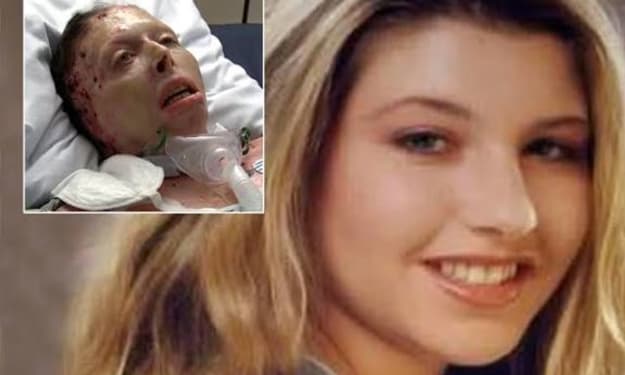
The story of judy Malinowski is one of devastating violence personal resilience and an extraordinary fight to ensure accountability after unimaginable suffering.Judy was a young woman from Columbus, Ohio whose life, like many others was shaped by circumstances that slowly placed her in harm’s way. She had survived cancer and, during her treatment and recovery, was prescribed powerful painkillers. Over time, she became dependent on them. When her medical insurance later expired, her access to proper care and legal medication disappeared. Without the support she needed to manage both her pain and her growing addiction, she eventually turned to heroin.
By Kure Garba4 days ago in Criminal
The Man Who Stole Silence
M Mehran The city of Karachi never truly sleeps. Even at 3 a.m., when the street vendors have packed their carts and the traffic thins into an occasional growl, there is a pulse beneath the silence. It’s the hum of secrets. And in that hum lived a criminal no one could catch. His name was Farhan Qureshi, though the newspapers would later call him The Whisper Thief. Farhan didn’t carry a gun. He didn’t break locks. He didn’t leave fingerprints. What he stole was far more valuable than gold—he stole silence. For two years, the wealthiest neighborhoods of Karachi reported strange incidents. No jewelry missing. No cash gone. Yet every victim insisted something had been taken. A private conversation. A hidden confession. A secret buried in the dark. The police were baffled. Inspector Danish Malik, a decorated officer known for dismantling organized crime rings, was assigned the case. At first, he dismissed it as paranoia. “People lose money and invent drama,” he told his team. But then he listened to the recordings. Each victim had received a single audio file. In it, their most private moment—an argument with a spouse, a confession of bribery, a hidden affair—played back in chilling clarity. Attached was a simple message: “Pay for your silence.” This wasn’t theft. It was psychological warfare. It was criminal extortion crafted with surgical precision. And Farhan was brilliant. A Criminal Mind Built on Observation Farhan had once studied sound engineering at a local university. He was gifted—top of his class. Professors predicted he would work in film or music production. But talent doesn’t always walk the straight path. After his father’s sudden death, debts swallowed his family. Scholarships vanished. Dreams collapsed. Bitterness replaced ambition. Farhan discovered something during his final semester: people reveal everything when they believe no one is listening. From rooftops, parked cars, and disguised maintenance visits, he planted tiny listening devices in homes of influential businessmen, politicians, and social elites. He never targeted the poor. He chose people with reputations to protect. He didn’t rush. He collected months of conversations before making a move. He built profiles. Studied behavior patterns. Understood their fears. Unlike typical criminals driven by impulse or greed, Farhan thrived on control. And control is addictive. The First Crack in the Perfect Crime Inspector Danish noticed something others ignored. None of the devices were ever found. “Not one?” he asked his forensic team. “Not one,” they confirmed. That meant the criminal wasn’t breaking in repeatedly. He was installing something permanent—or something invisible. Danish reviewed architectural plans of the targeted houses. He discovered a pattern: all the homes had recently installed high-end smart sound systems from the same supplier. The company? EchoWave Solutions. Danish paid them a visit. The office was small, modern, and surprisingly minimal. Only three employees were listed. One of them—Farhan Qureshi. Clean record. No prior arrests. Soft-spoken. Intelligent eyes. When Danish shook his hand, he felt it—the calm confidence of a man who believed he was untouchable. Psychological Cat and Mouse Danish didn’t arrest him immediately. There was no direct evidence. Instead, he started surveillance. Farhan, however, sensed it. Criminal psychology often reveals a dangerous truth: the smartest criminals are hyper-aware. Farhan noticed the unmarked car parked across his apartment. He noticed the unfamiliar number calling and hanging up. So he escalated. Instead of extorting quietly, he released a politician’s secret recording publicly. It exploded across social media. News channels debated ethics, privacy, and corruption. The city panicked. Was he a villain—or a vigilante exposing hypocrisy? That moral confusion protected him. Some citizens secretly admired him. “He only targets the corrupt,” online forums argued. But Danish knew better. A criminal who justifies his actions is still a criminal. The Mistake Every Criminal Makes Arrogance. Farhan believed he understood fear better than anyone. But he underestimated something—human unpredictability. One of his victims refused to pay. Instead, she invited him to release everything. Her name was Samina Rahman, a school principal with nothing to hide. Farhan sent the audio. It was harmless—her crying over financial struggles, her doubts about leadership. Instead of shame, she received sympathy. The public response shifted. If he could invade her privacy, he could invade anyone’s. Now fear replaced fascination. Danish used that moment. He publicly announced a digital trace had been found—bluffing. He described a fictional encryption flaw in the criminal’s system. Farhan panicked. Not outwardly—but digitally. He logged into his secure server from a backup connection he believed was untraceable. It wasn’t. Cybercrime units tracked the IP to a warehouse near the port. Inside, they found walls lined with monitors. Audio feeds labeled with names. Dates. Addresses. And Farhan. He didn’t run. He simply removed his headphones and said, “You’re late.” Inside the Criminal’s Mind During interrogation, Farhan remained composed. “Why?” Danish asked. Farhan’s answer was chilling. “Because silence is power. The wealthy use it to hide corruption. I just borrowed it.” “But you sold it,” Danish replied. Farhan smiled faintly. “Everyone sells something.” Psychologists later analyzed him as highly intelligent, emotionally detached, and morally rationalizing—traits common in non-violent white-collar criminals. Yet what made him truly dangerous wasn’t cruelty. It was patience. The Aftermath The case became one of Karachi’s most discussed criminal investigations. It reshaped conversations about digital privacy, surveillance, and smart home vulnerabilities. EchoWave Solutions shut down. New cybersecurity laws were proposed. And Farhan Qureshi was sentenced to twelve years in prison for extortion, illegal surveillance, and cybercrime. But even behind bars, rumors circulate. Some say he’s writing a book. Some say he’s helping authorities understand criminal behavior. Others whisper that he left hidden recordings no one has found. Because the scariest criminals don’t always steal money. They steal peace of mind.
By Muhammad Mehrana day ago in Criminal

Comments (3)
Great work
Nice
👍