
Epstein Emails Reveal a Lost New York
The disgraced financier’s recently released documents are steeped in a clubby world that is all but gone.

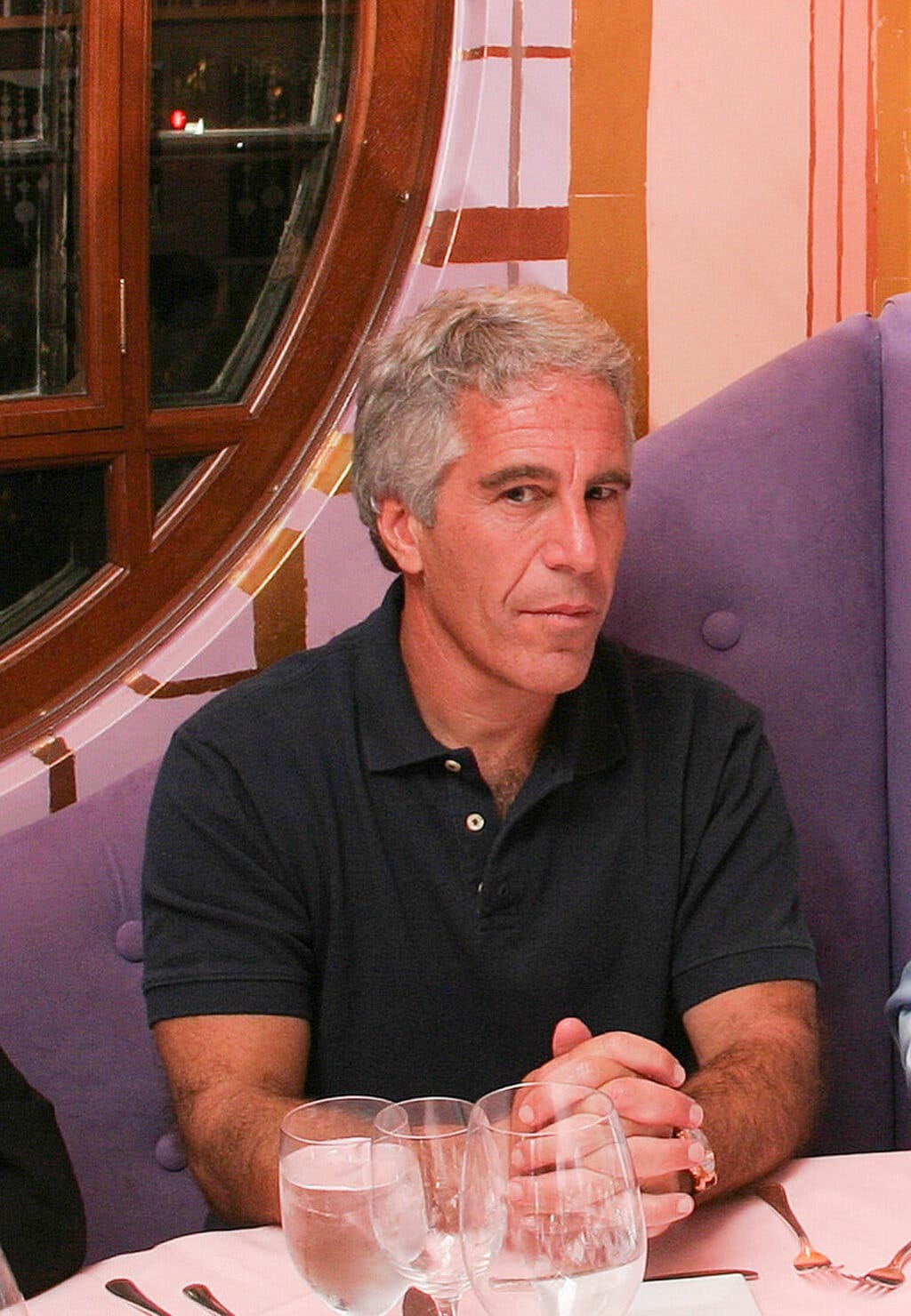
After lawmakers released more than 20,000 of Jeffrey Epstein’s emails, Washington erupted in controversy, forcing the White House to respond aggressively. Much of the public attention focused on Epstein’s interactions with President Donald Trump, but the emails also revealed a deeper portrait of a long-vanished New York elite.
The emails primarily span from 2009—when Epstein left county jail after serving a reduced sentence—to the summer of 2019, just before his arrest on sex-trafficking charges and subsequent death in federal custody. They document Epstein’s embedded presence in a tightly knit world of billionaires, media executives, politicians, and socialites who populated Manhattan’s upscale circles during the 2000s and early 2010s.
Epstein’s inbox shows his involvement with well-known New York figures. He exchanged messages with Mortimer Zuckerman, the media mogul then owning the New York Daily News, and with journalist Michael Wolff, as they explored potential joint ventures—including past attempts to buy New York Magazine and Radar. Emails depict dinner plans at famous institutions like Rao’s, invitations to events such as the New York Observer’s 25th-anniversary party (co-hosted by Michael Bloomberg and Jared Kushner), and a guest list that included names like Matt Lauer and Harvey Weinstein—major figures at the time whose reputations later collapsed.
A significant portion of Epstein’s communications involved Peggy Siegal, once a major society publicist. Her frequent emails—sharing articles, relaying gossip, or inviting Epstein to Manhattan hotspots like The Monkey Bar—capture a glamorous social landscape that has largely disappeared. Siegal’s later downfall due to her association with Epstein is also noted.
Epstein’s emails reveal his ongoing attempts to manage his public image after registering as a sex offender. In 2011, publicist R. Couri Hay warned Epstein that Tina Brown had commissioned a Newsweek article about his reemergence. Hay suggested helping shape the coverage by connecting the reporter with influential friends such as Leon Black, Leslie Wexner, and Donald Trump. Hay now claims he was unaware of the extent of Epstein’s misconduct at the time and felt misled by Ghislaine Maxwell.
Epstein also pushed Siegal to help secure favorable coverage from outlets like The Huffington Post. Siegal later claimed she told him what he wanted to hear simply to get him off the phone.
Other emails show Epstein interacting with New York Times reporter Landon Thomas Jr., who eventually left the newspaper after ethical violations involving Epstein. As negative coverage grew, Epstein hired a digital consultant to bury damaging search results, though emails show his frustration when those efforts failed.
Michael Wolff regularly advised Epstein on media strategy, offering suggestions for op-eds, sympathetic reporters, and even television appearances on shows like Charlie Rose’s. Ironically, Rose himself would later lose his career over sexual-harassment allegations during the #MeToo movement.
As #MeToo intensified, Epstein exchanged emails discussing the downfall of powerful men, reacting to allegations against figures like Brett Ratner and observing how widespread scandals were reshaping the cultural environment. He commented that many disgraced men were contacting him for advice, claiming his own reputation seemed relatively improved because others were facing worse accusations.
The emails also show discussions about cultural events, including the Women in the World Summit run by Tina Brown, which highlighted stories of male misconduct. In response, physicist Lawrence Krauss jokingly suggested creating a “Men of the World” conference featuring figures such as Kevin Spacey, Bill Clinton, Al Franken, and Woody Allen—all of whom faced public allegations at the time. Krauss himself soon left his university position after sexual-misconduct accusations.
In one exchange with Joi Ito of MIT—who later resigned due to his links with Epstein—Epstein commented on how the wave of sexual-harassment cases ironically boosted his relative status, saying he was being approached regularly for guidance.
Many of the figures filling Epstein’s inbox have since left public life, either voluntarily or due to scandal. But the president remains a central figure. After the emails’ release, Trump publicly distanced himself, insisting that Epstein was aligned with Democrats and pointing to figures like Bill Clinton, Reid Hoffman, and Larry Summers as the ones with deeper ties. Trump asserted that the issue belonged to his political opponents, not him.
About the Creator
Keep reading
More stories from DigitalAddi and writers in Criminal and other communities.
The Devil’s Den Arrest: Murder Suspect Caught Mid-Haircut in Arkansas Barber Shop
In a scene that looked straight out of a crime drama, law enforcement officers swarmed an Arkansas barber shop and arrested a young man in the middle of a haircut. The suspect, now identified as 21-year-old Hunter Jones, was taken into custody in connection with the brutal double murder of a married couple found dead near Devil’s Den State Park earlier this summer. The stunning arrest has sent shockwaves through the community and raised chilling questions about the cold expression behind such a heinous act.
By DigitalAddi5 months ago in Criminal
USS Abraham Lincoln in the South China Sea: Power Projection and Public Questions
USS Abraham Lincoln in the South China Sea: Power Projection and Public Questions The presence of the USS Abraham Lincoln in the South China Sea has drawn global attention due to the strategic importance of the region and the role of US naval power. As a nuclear powered aircraft carrier, the USS Abraham Lincoln represents one of the most advanced assets in the United States Navy. Its deployments are closely watched by governments, analysts, and the public because they reflect broader geopolitical dynamics and security priorities in the Asia Pacific region.
By America today about 15 hours ago in Criminal


Comments
There are no comments for this story
Be the first to respond and start the conversation.