
This has to be one of the best cons of all times
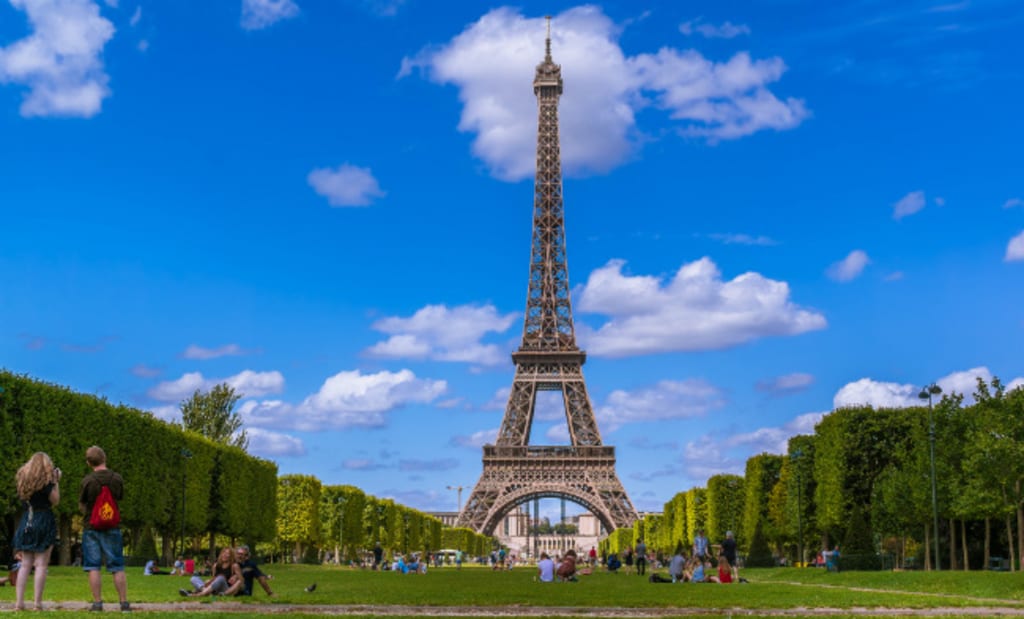
The tale of the man who ingeniously sold the iconic Eiffel Tower not once but twice is one of the most captivating stories of all time, yet surprisingly, it hasn't been adapted into a movie yet. Victor Lustig, a master scammer, had a long and impressive life of crime, but his Eiffel Tower scheme is what everyone wants to hear about.
Lustig didn't just wake up one day and decide to sell the Eiffel Tower. The idea came to him when he read a newspaper article highlighting the immense cost of maintaining the famous landmark each year. This sparked a thought: what if the French government got tired of paying for it and decided to sell it to a private businessman who would take care of the expenses? It was a rather audacious but not entirely outrageous idea since even today, the Eiffel Tower costs the French government a considerable sum annually.
With the idea in mind, Lustig meticulously prepared for his grand scheme. He obtained fake government stationary and documents to lend credibility to his persona as a high-ranking official. He also conducted serious research on the Eiffel Tower's costs and concerns raised by the people of Paris.
To set his plan in motion, Lustig invited wealthy scrap metal dealers to a confidential meeting, presenting himself as the deputy director general of the ministry of posts and telegraphs. He explained to them that the government couldn't bear the costs anymore and intended to sell the Eiffel Tower. Among his targets, he singled out Andre Poisson, a businessman with insecurities, as his primary mark.
Poisson ended up being the highest bidder, offering an astonishing seventy thousand francs for the purchase of the Eiffel Tower. Lustig swiftly took the money and fled to Austria, believing the police would be after him. However, to his surprise, Poisson didn't report the crime, possibly too embarrassed to admit being conned. Emboldened by his success, Lustig returned to Paris within the same year to execute the same scam once again. This time, one of his targets alerted the police, and Lustig had to flee the country.
But the Eiffel Tower scheme was just one of Lustig's many cons. He had a repertoire of tricks, from selling fake bills to performing sleight-of-hand robberies. One of his most elaborate cons involved the "Romanian box job," a steamer trunk rigged to copy currency identically. He convinced a Texas sheriff to buy it for thousands of dollars, and when the sheriff realized he'd been scammed, Lustig managed to talk his way out of trouble.
Another remarkable con involved Al Capone, the notorious gangster. Lustig gained Capone's trust by presenting himself as a reputable businessman working on a massive job that required tens of thousands of dollars. Capone willingly provided the money, which Lustig promptly disappeared with.
Lustig's success as a con man can be attributed to his gentlemanly demeanor. He listened patiently, showed interest in others' opinions, and matched their political and religious views. He hinted at sex talk but didn't follow up unless it was well-received. He refrained from discussing illness or prying into personal circumstances, always maintaining an air of quiet importance. Lustig never boasted, was always tidy, and never got drunk.
Despite his impressive run, Lustig's criminal career eventually caught up with him. He was arrested and thrown into jail, but even then, he attempted an escape. Sadly, he perished in Alcatraz due to pneumonia.
Victor Lustig's legacy lives on as one of the most infamous con artists in history, and his daring Eiffel Tower schemes will forever captivate our imagination.
About the Creator
Keep reading
More stories from Saleel Khetle and writers in Criminal and other communities.
Dyatlov Pass
In February 1959, a group of experienced Russian hikers ventured into the remote Ural Mountains in Western Siberia for an advanced winter trek. However, this trip would be their last, and the mystery of their disappearance would captivate the world for decades to come.
By Saleel Khetle2 years ago in Men
The Alcatraz Escape
Alcatraz Federal Penitentiary was built on a promise: no one gets out. Surrounded by freezing water and violent currents, the prison—known simply as The Rock—held America’s most dangerous and escape-prone criminals. Guards believed the bay itself was the final line of defence. Even if a prisoner made it past steel bars and armed watchtowers, the water would finish the job.
By N. K. Sohi3 days ago in Criminal



Comments
There are no comments for this story
Be the first to respond and start the conversation.