
Death Row Redemption: Anthony Porter
Anthony Porter was sentenced to death in 1982 for a double murder in Illinois. Investigative journalism led by David Protess uncovered flaws in his conviction, obtaining a confession from the real killer in 1999.
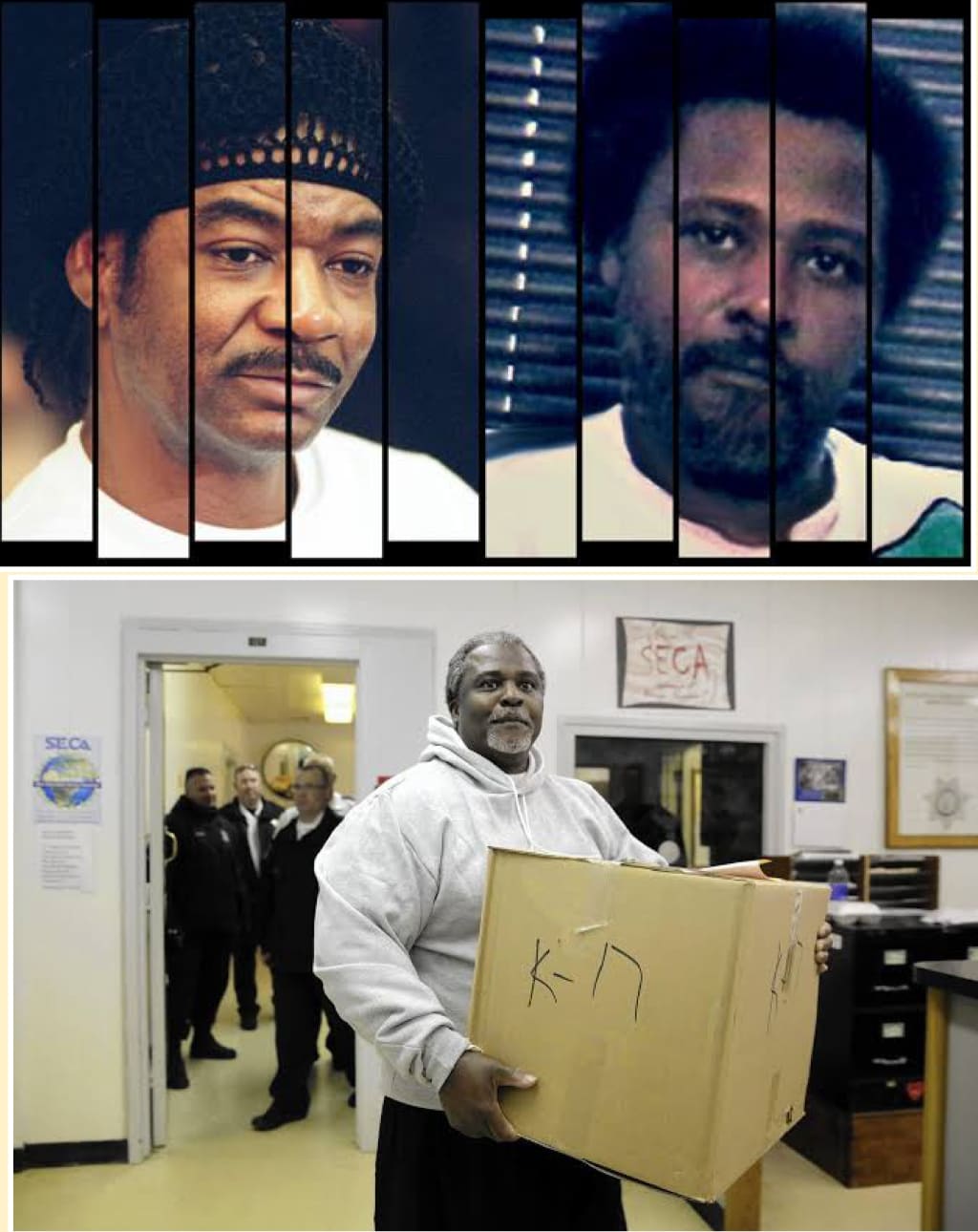
In 1982, Anthony Porter was convicted and sentenced to death for a double homicide that occurred in Illinois. The case revolved around the brutal killings of Marilyn Green and Jerry Hillard, two teenagers who were found dead at a swimming pool on Chicago's South Side. Porter's conviction was largely based on eyewitness testimony and a confession he allegedly gave to the police.
For nearly two decades, Porter maintained his innocence, proclaiming that he had been wrongfully accused and that his confession had been coerced. As he languished on death row, his case drew limited attention, and it seemed like his chances for a fair trial were diminishing.
However, in 1999, a remarkable turn of events occurred that would ultimately lead to Porter's exoneration. Investigative journalism played a pivotal role in unraveling the truth behind the case. A team of journalists, led by David Protess at Northwestern University's Medill School of Journalism, took an interest in Porter's case. They began to reinvestigate the evidence and re-interview witnesses, uncovering inconsistencies and doubts that had been overlooked during the original trial.
Crucially, the journalists managed to secure a confession from the real killer, Alstory Simon. Simon's confession shed light on the actual sequence of events and exposed the flaws in Porter's original conviction. Simon admitted to committing the murders and stated that he had acted alone. His confession not only corroborated Porter's claims of innocence but also revealed that Porter's confession had been coerced by the police.
The newfound evidence sparked a series of legal proceedings that eventually led to Porter's release from prison. In October 1999, Porter's conviction was overturned, and he was set free after spending nearly 17 years behind bars, including time on death row. The case garnered widespread attention and highlighted the potential dangers of relying solely on eyewitness testimony and coerced confessions.
The exoneration of Anthony Porter raised serious questions about the criminal justice system and its handling of death penalty cases. It underscored the need for thorough investigation, the importance of preserving evidence, and the potential for wrongful convictions. Porter's case fueled debates about the reliability of the death penalty as a punishment and prompted discussions about potential reforms within the legal system.
In the aftermath of his release, Anthony Porter became an advocate for criminal justice reform and an outspoken opponent of the death penalty. He used his personal experience to shed light on the flaws in the system and the potential for innocent individuals to be wrongly convicted. Porter's story also highlighted the power of investigative journalism in exposing miscarriages of justice and bringing about meaningful change.
The exoneration of Anthony Porter led to increased scrutiny of other death penalty cases and encouraged a broader conversation about the need for reform in the criminal justice system. His case served as a cautionary tale, emphasizing the vital role that media, legal advocates, and concerned citizens can play in rectifying wrongful convictions and ensuring that justice is served.
In conclusion, Anthony Porter's journey from being wrongfully convicted and sentenced to death to his eventual exoneration in 1999 stands as a powerful example of the potential for justice to prevail in the face of adversity. His case serves as a reminder of the importance of due process, the dangers of relying on unreliable evidence, and the ability of investigative journalism to bring about significant social change.
About the Creator
Keep reading
More stories from Kure Garba and writers in Criminal and other communities.
Ruben Cantu's Controversial Execution
The case of Ruben Cantu, a Texan who was convicted and subsequently executed for a 1984 murder, stands as a stark example of the potential flaws in the criminal justice system. Cantu's case drew significant attention due to concerns about the accuracy of witness testimony, casting doubts on his guilt and raising questions about the fairness of his trial.
By Kure Garba3 years ago in Criminal
Black History Unfiltered
They Believed the Lie—So They Wrote It Into Law by Soul on Fire LEAVIE SCOTT The rumor moved like wildfire because it was designed to. It had the pacing of a ghost story and the precision of a press release. Whispers turned to headlines, headlines turned to hearings, and before long, the lie had grown legs long enough to step into the federal register.
By Organic Products 5 days ago in Criminal
Review of 'Man on the Run'
My wife and I saw Man on the Run, a nearly 2-hour documentary on Amazon Prime, about Wings, Paul McCartney's group that flew around the world from shortly after The Beatles broke up in early 1970 to shortly after John Lennon was murdered at the end of 1980, making a Beatles reunion forever impossible.
By Paul Levinson4 days ago in Beat


Comments
There are no comments for this story
Be the first to respond and start the conversation.