
Deadly Attack on Tourists in Kashmir: 26 Killed, 17 Injured
Deadly Attack on Tourists in Kashmir: 26 Killed, 17 Injured
A Tragic Blow to Peace and Tourism.In
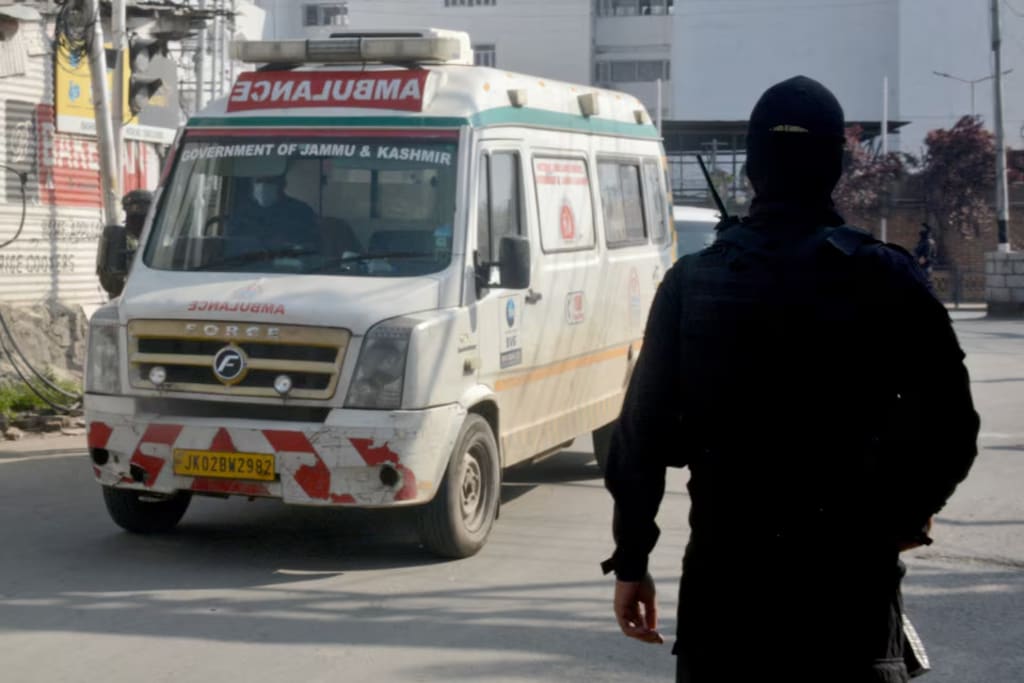
a shocking incident that has shaken the nation, a brutal attack in the Anantnag district of Jammu and Kashmir left 26 tourists dead and 17 others seriously injured. The assault, which occurred in April 2025, has once more brought to light the precarious security situation in the area and raised serious concerns about the safety of the valley's civilian population, particularly tourists.
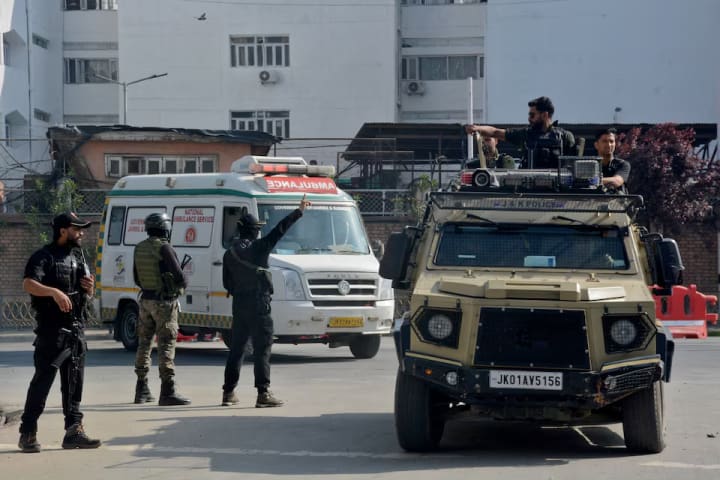
According to police reports, the attack occurred when unidentified gunmen opened fire on a bus carrying tourists near the Pahalgam area. Witnesses reported a sudden burst of gunfire as the vehicle was passing through a narrow mountain road. The gunmen, reportedly using automatic rifles, fled the scene swiftly after inflicting maximum casualties. Many of the tourists died on the spot, while the injured were rushed to nearby hospitals for emergency treatment.
Victims and Public Reaction
The victims hailed from various parts of India, including states like Maharashtra, Gujarat, and West Bengal. Many had come to Kashmir to enjoy the natural beauty and peaceful environment the region is known for. Unfortunately, their journey turned into a nightmare.
Political leaders, including the President and Prime Minister, expressed deep sorrow and condemned the attack in the strongest terms. They also assured that the government would extend all necessary medical and financial aid to the affected families.
Who Is Responsible?
No militant group has officially claimed responsibility for the attack so far. However, intelligence sources suspect the involvement of Pakistan-based terrorist organizations that have previously targeted civilians and tourists in the valley. Over the years, such groups have tried to destabilize Kashmir by targeting economic lifelines, including the tourism industry, which is a major source of income for the region.
Security Lapses and Concerns
This tragedy has brought the spotlight back on the lapses in security arrangements. Despite repeated claims by local authorities that Kashmir is safe for tourists, such an attack raises serious doubts. Experts argue that there is a need for better surveillance, more secure travel corridors, and proactive intelligence gathering to prevent such incidents.
There have also been criticisms of the lack of sufficient checkpoints, inadequate protection for tourist vehicles, and poor coordination among security agencies.
Impact on Tourism
Tourism has always been one of the mainstays of Kashmir's economy. In recent years, the region had witnessed a steady increase in tourist footfall due to relatively peaceful conditions. The attack is likely to deal a severe blow to this progress. Many travelers have already canceled their planned trips, and tour operators are reporting mass cancellations.
Fear and uncertainty now loom over what was once regarded as one of the most serene and picturesque destinations in India.
Government Response
In response to the incident, Union Home Minister Amit Shah convened an emergency meeting with top security and intelligence officials. He directed the Jammu and Kashmir administration to bring the perpetrators to justice and ensure that such an incident does not occur again.
Security forces have launched a massive manhunt to track down the attackers. Additional troops have been deployed in sensitive areas, and checkpoints have been increased across tourist routes.
The government has also announced compensation for the victims and promised a full review of tourist safety protocols in the region.
Human Cost and National Unity
Beyond the statistics and political implications, this is a story of loss, grief, and shattered families. Innocent lives were taken in a senseless act of violence. The attack has sparked nationwide outrage, with people from all walks of life condemning the violence and expressing solidarity with the victims’ families.
Many civil society groups and religious organizations have called for peace and unity, urging the nation to stand together against terror.
Conclusion
The brutal attack on tourists in Kashmir is a grim reminder that terrorism still poses a significant threat to peace and stability in the region. While the security response is crucial, long-term peace in Kashmir can only be achieved through comprehensive political dialogue, strategic policymaking, and genuine engagement with the local population.
Ensuring the safety of civilians, especially visitors, must become a top priority. Only then can Kashmir truly reclaim its identity as a peaceful paradise and a symbol of India's diversity and resilience.
About the Creator
Keep reading
More stories from writers in Criminal and other communities.
A Mother's Love Lost
It was December 30th, 1988, just two days before the New Year. Jack Dale Walker had convinced a coworker to drive him out to the trailer where his girlfriend lived. Hansel Norton, the co-worker, had known Jack for barely three full weeks. Hansel was trying to be a good friend to this new friend. So, Jack, was young, only 22 years old and appeared to be love sick for the girl who was the mother of his baby.
By Cassie Moore3 days ago in Criminal
Inside the House of Skulls: The Full Timeline of the Jonathan Gerlach Investigation
INVESTIGATION TARGET: JONATHAN C. GERLACH INCIDENT LOCATION: 100 WASHINGTON AVENUE, EPHRATA PA CHARGES: ABUSE OF CORPSE (x100), THEFT, DESECRATION STATUS: INCARCERATED ($1M BAIL) KEYWORDS: #HouseOfSkulls #JonathanGerlach #EphrataCrime #MountMoriah
By Sunshine Firecracker5 minutes ago in Criminal
Wild Card Weekend Recap: What Happens Now?
I think I figured out why I love Wild Card Weekend so much. It's because it's the first playoff anything of the calendar year. The NFL season starts in the fall, and once upon a time, the champion was crowned either on or slightly before New Year's. The evolution of the NFL schedule has resulted in the playoffs starting just into the New Year, and currently, the final week of the season falls on the first weekend of the New Year, with Wild Card Weekend coming a week after that. So yes, chronologically, the NFL's Wild Card Weekend serves as the first playoff anything of the calendar year.
By Clyde E. Dawkins5 days ago in Unbalanced



Comments
There are no comments for this story
Be the first to respond and start the conversation.