
Cyber Extortion: What Is It And Why Should You Worry?
Cyber extortion is a major cyber attack that can cost heavily for your company


Cyber Extortion is a growing threat that can affect anyone, from people and businesses to large organizations. In this article, we'll take a look at what cyber extortion is, how it works, and why you should be worried about it. We'll also discuss what steps you can take to protect yourself and your data from malicious actors looking to extort you. So let's dive in - read on to find out more!
What is Cyber Extortion?
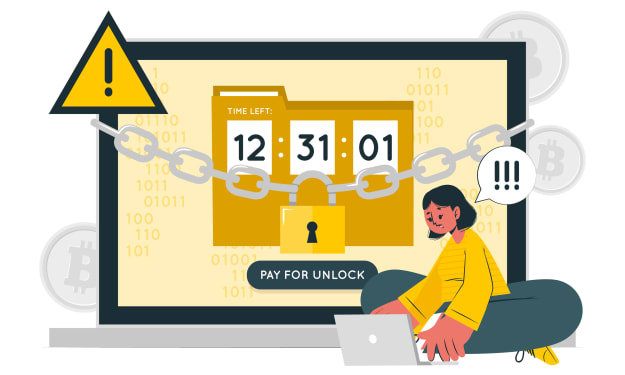
Cyber extortion is a type of online crime in which an attacker threatens to release information or take action against a victim unless a ransom is paid. This can include anything from releasing sensitive data to launching a denial-of-service attack.
Cyber extortion is becoming increasingly common as more and more businesses store important data online. attackers are able to target large numbers of victims at once and demand high ransoms, making it a lucrative criminal enterprise.
While cyber extortion can be devastating for businesses, there are steps that can be taken to mitigate the risk. These include backing up data offline, training employees on security best practices, and investing in cybersecurity insurance.
Why is Cyber Extortion a problem?
Cyber extortion is a serious problem because it can lead to the loss of important data, the theft of money, and the destruction of equipment. In some cases, cyber extortion can also lead to physical harm or death.
There are many reasons why cyber extortion is a problem. First, it can be used to blackmail individuals or organizations. For example, a hacker might threaten to release sensitive information unless the victim pays a ransom. Second, cyber extortion can be used to destroy data or equipment. For example, a hacker might threaten to delete important files unless the victim pays a ransom. Finally, cyber extortion can be used to physically harm people or property. For example, a hacker might threaten to bomb a building unless the victim pays a ransom.
Cyber extortion is a serious problem because it can have devastating consequences for victims. It is important to be aware of the risks and take steps to protect yourself and your organization from this growing threat.
How can you avoid being victimized by a cyber extortionist?
Cyber extortion is a serious problem that can have devastating consequences for businesses and individuals alike. Here are some tips on how to avoid being victimized by a cyber extortionist:
1. Be aware of the threat. Cyber extortionists are becoming increasingly sophisticated in their methods, so it's important to be aware of the threat and what to look out for.
2. Don't give in to demands. If you're targeted by a cyber extortionist, don't give in to any demands. This will only encourage them and make you more likely to be targeted again in the future.
3. report any threats or demands immediately. If you receive any threats or demands, report them immediately to law enforcement and your ISP or hosting provider.
4. Keep good backups. Make sure you have good backups of all your important data so that you can restore it if necessary.
5. Use security measures. Use appropriate security measures to protect your data and systems, such as firewalls, anti-virus software, and strong passwords.
The future of Cyber Extortion
As the world increasingly moves online, cyber extortion is becoming a more common and sophisticated form of attack. In many cases, attackers are able to target businesses or individuals with little to no technical expertise.
While the motivations for cyber extortion can vary, the methods used are often similar. Attackers will typically gain access to a victim's systems and then threaten to release sensitive information or launch a destructive attack unless a ransom is paid.
In some cases, victims may be able to negotiate with the attacker and reach an agreement. However, there is no guarantee that the attacker will honor their word and not launch an attack even after receiving payment.
There are a few steps that businesses and individuals can take to protect themselves from cyber extortion, but it is important to remember that no system is completely secure. The best defense against these attacks is often having a robust backup and disaster recovery plan in place so that you can quickly recover from any damage that does occur.
About the Creator
Jayant Upadhyay
Jayant is a content marketer and leading strategist. He has 12 years of experience in content and digital business. When he is not writing, he is gardening, listening to songs and reading novels. He is working with BimaKavach
Keep reading
More stories from Jayant Upadhyay and writers in Criminal and other communities.
The Ransomware Threat And How To Prevent It
We'll look at what ransomware is and how it works, as well as discuss some effective strategies to prevent your organization from becoming a victim of such an attack. So let's get started and find out more about this insidious form of cybercrime!
By Jayant Upadhyay3 years ago in Criminal
Inside the Case of Private Investigator Ken Childs, Accused of Powering One of Los Angeles’ Darkest Criminal Networks
Los Angeles has always been a city built on secrets. Behind the glamorous film premieres, multimillion-dollar mansions, and celebrity headlines lies an entire industry devoted to uncovering the truth — private investigators.
By Shane Smith7 days ago in Criminal
19-Year-Old Wife Convicted After Pushing Husband Out High-Rise Window
The tragic case of Joshua Hilberling highlights a devastating instance of domestic violence that ended in fatality drawing national attention due to its shocking circumstances and the reversal of typical gender roles in such incidents. On June 7 2011 23-year-old Joshua Josh Hilberling a U.S. Air Force veteran described as a tall physically imposing man (around 6-foot-5 and 220 pounds) plummeted to his death from the 25th floor of the University Club Tower a high-rise apartment building in downtown Tulsa, Oklahoma. He fell 17 stories landing on the roof of the building's parking garage where he succumbed to his injuries despite emergency response efforts.Josh's wife Amber Michelle Hilberling, who was just 19 years old at the time and seven months pregnant with their child was the only other person present during the incident. The couple had married the previous year in 2010 after a whirlwind romance but their relationship quickly deteriorated into volatility marked by arguments and physical altercations. Amber claimed the death was accidental and occurred in self-defense during a heated fight. According to her account, Josh had grabbed her shoulder or otherwise threatened her safety and that of their unborn baby prompting her to push him away. She insisted the window shatter and his fall were unintended consequences of the struggle.
By Kure Garba7 days ago in Criminal
Lycan Lore
As the students of my 10am mythology class take their seats, I decide to steer the day's curriculum away from Greek and dive into a Western European discourse on the misaligned beliefs of the Werewolf. A tale of truth or fiction. No one really knows.
By Lamar Wigginsabout 17 hours ago in Fiction


Comments
There are no comments for this story
Be the first to respond and start the conversation.