
Beyond Bin Laden: The Rise and Fall of Abu Bakr al-Baghdadi and the Caliphate of Terror
1. Introduction: The Post-Bin Laden World 2. Who Was Abu Bakr al-Baghdadi? 3. The Rise of ISIS and the Declaration of a Caliphate 4. Terror Reaches the West: Attacks in Europe and America 5. Media, Money, and Global Propaganda 6. The Decline of ISIS and the Death of Baghdadi 7. Global Impact and Residual Threats 8. Conclusion: Is the World Safer Now?

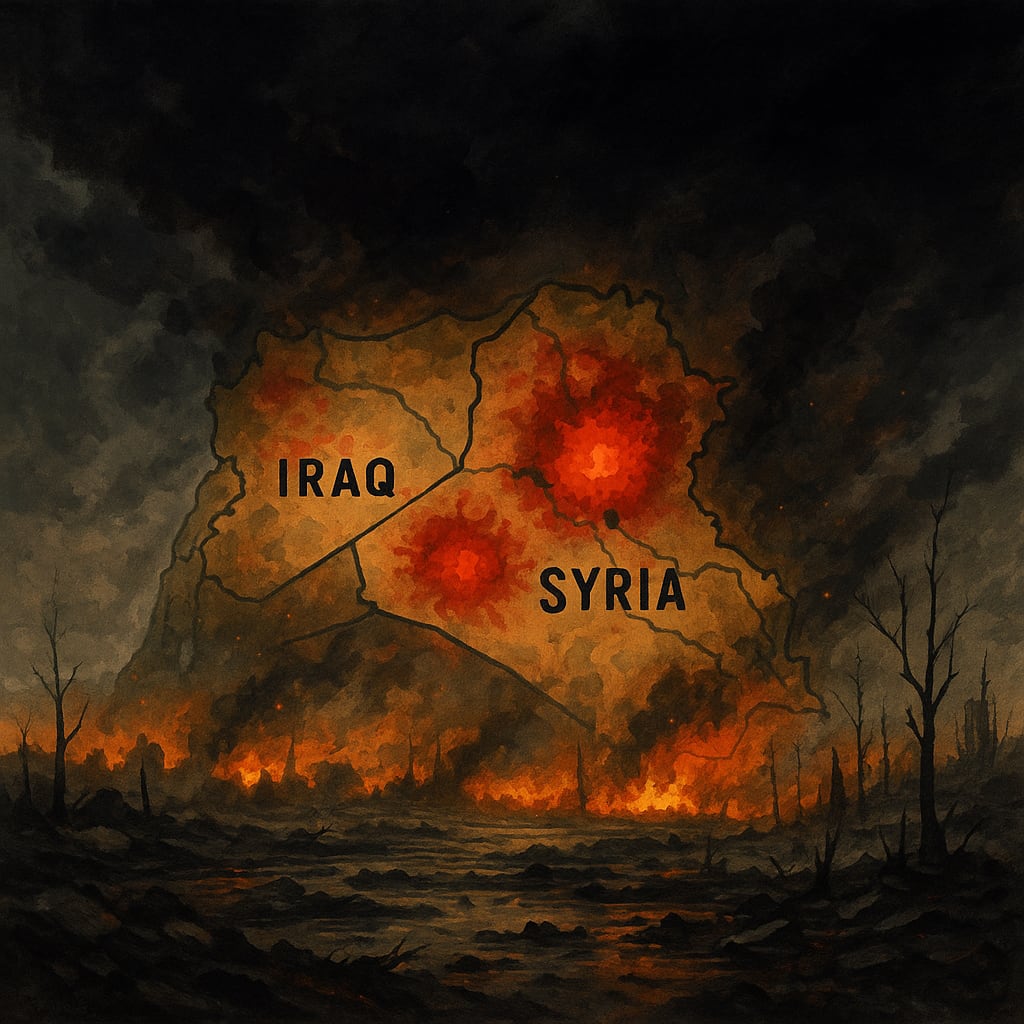
1. Introduction: The Post-Bin Laden World
After the death of Osama bin Laden in 2011, many around the globe believed the era of large-scale global jihadist terrorism was coming to an end. Bin Laden had orchestrated the deadliest terrorist attack on American soil — the 9/11 attacks — and his death marked a symbolic victory in the War on Terror. However, a new and even more brutal force soon filled the vacuum: the so-called Islamic State (ISIS), led by a mysterious figure named Abu Bakr al-Baghdadi.
---
2. Who Was Abu Bakr al-Baghdadi?
Born as Ibrahim Awwad Ibrahim al-Badri in 1971 in Iraq, Baghdadi was initially known more for his religious scholarship than militancy. He earned a Ph.D. in Islamic studies from the University of Baghdad. His path to terrorism began after the U.S. invasion of Iraq in 2003, when he joined the insurgency and was briefly imprisoned by U.S. forces in Camp Bucca. It was in prison that he made vital connections and began his journey toward becoming the leader of what would become ISIS.
---
3. The Rise of ISIS and the Declaration of a Caliphate
ISIS emerged from the remnants of al-Qaeda in Iraq (AQI), initially founded by Abu Musab al-Zarqawi. After Zarqawi’s death and a period of decline, the group regained strength under Baghdadi's leadership. The chaos of the Syrian civil war provided fertile ground for expansion. In 2014, ISIS stunned the world by capturing Mosul, Iraq's second-largest city, and soon after declared a caliphate, naming Baghdadi as the “Caliph Ibrahim.”
This declaration was unprecedented in modern history. It attracted thousands of foreign fighters from over 80 countries, many from Europe and North America. For the first time in decades, a terrorist group claimed to be a legitimate Islamic government with territory, population, economy, and administration.
---
4. Terror Reaches the West: Attacks in Europe and America
Under Baghdadi’s leadership, ISIS not only terrorized the people of Iraq and Syria but also extended its reach far beyond the Middle East. The group inspired or directly carried out numerous attacks in the West, including:
2015 Paris attacks (130 dead)
2016 Brussels bombings
2016 Nice truck attack
Orlando nightclub shooting in the U.S.
Manchester Arena bombing (2017)
These attacks brought the reality of the ISIS threat to European and American streets. Unlike al-Qaeda, which operated more secretly, ISIS encouraged lone-wolf attacks and actively recruited online in multiple languages.
---
5. Media, Money, and Global Propaganda
One of the key weapons in Baghdadi’s arsenal was media propaganda. ISIS launched a sophisticated online campaign through magazines like Dabiq and Rumiyah, high-quality videos, and social media outreach. They used slick production, emotional narratives, and religious justification to lure young minds.
Financially, ISIS became one of the richest terrorist organizations in history. It controlled oil fields, imposed taxes, looted banks, engaged in human trafficking (especially of Yazidi women), and collected ransoms. At its peak, ISIS was making millions of dollars per month.
---
6. The Decline of ISIS and the Death of Baghdadi
ISIS’s brutality eventually turned local populations and global powers against it. A U.S.-led coalition, along with Iraqi forces and Kurdish militias, began systematically reclaiming ISIS territory. By 2019, the caliphate had lost nearly all its land.
On October 27, 2019, the world witnessed a turning point. U.S. special forces launched Operation Kayla Mueller in northwestern Syria. In a daring nighttime raid, Baghdadi was cornered and detonated a suicide vest, killing himself and his children. President Donald Trump famously declared, "He died like a dog, like a coward."
Baghdadi's death was a symbolic blow, and though ISIS still exists in fragments, it has never regained the same momentum or territorial control.
---
7. Global Impact and Residual Threats
Even after Baghdadi’s death, ISIS-inspired attacks continue sporadically, especially in Afghanistan (ISIS-K), Africa (Boko Haram/ISIS-West Africa), and Southeast Asia. Lone wolves radicalized online still pose a challenge to global security.
Additionally, the massive displacement, psychological trauma, and destruction in Iraq and Syria remain long-term consequences of ISIS’s reign of terror. European countries also face complex issues related to returning ISIS fighters and their families.
---
8. Conclusion: Is the World Safer Now?
The death of Osama bin Laden marked the end of one era of global jihadism. The rise and fall of Abu Bakr al-Baghdadi and his so-called caliphate signaled the beginning and near-end of another. While the physical caliphate of ISIS has collapsed, the ideological battle continues. Social media remains a powerful tool, and marginalized communities can still be vulnerable to radicalization.
Though the world has made significant progress in dismantling organized terrorist structures, the evolution of terrorism from centralized networks to decentralized, lone-actor models poses new challenges. Vigilance, education, international cooperation, and inclusive policies remain crucial in ensuring long-term peace.
About the Creator
The Locked Room in Apartment 304
In the winter of 2022, a quiet residential building on the outskirts of a small Midwestern town became the center of one of the most disturbing criminal investigations the community had ever witnessed, a case that began with what seemed like an ordinary welfare check and quickly evolved into a mystery filled with fear, unanswered questions, and details that investigators still struggle to explain. The building itself was nothing remarkable, a four-story complex built in the late 1980s with narrow hallways, aging carpets, and the faint smell of cleaning chemicals that seemed permanently embedded in the walls, but what happened in apartment 304 would transform that otherwise forgettable structure into a place that residents refused to talk about even years later.
By The Curious Writer3 days ago in Criminal
Schools, Hospital, and UNESCO Sites Damaged in US-Israel Strikes
Satellite images and verified videos show that since the start of U.S. and Israeli attacks on Iran on Saturday, schools, a hospital, and historical monuments have suffered severe damage, while reports indicate that the number of civilian casualties continues to rise.
By Real content7 days ago in Criminal




Comments
There are no comments for this story
Be the first to respond and start the conversation.