
"Auto Shankar: The Notorious Criminal, Serial Killer, and Gangster of Chennai"
The rise and fall of Auto Shankar: A notorious Indian gangster and serial killer

Auto Shankar, born Gowri Shankar, was a notorious criminal, serial killer, and gangster from Tamil Nadu, India. He was active in Chennai during the 1970s and 1980s and was known for his involvement in illegal liquor trade and prostitution. Shankar was born in Kangeyanallur near Vellore, and after his father left the family for Odisha, he moved to Chennai, where he initially lived in a slum in Mylapore before moving to Thiruvanmiyur. Shankar had several wives and children, and his criminal career was marked by violence and murder.
Shankar's criminal career began with peddling cycle rickshaws and later operating an auto-rickshaw, which earned him his nickname. He started with transporting illegal liquor, but he soon realized that prostitution was more profitable and less risky due to its association with politically influential people who could keep the police in check. Shankar's gang eliminated rivals through the police force or murder. In the early 1980s, when a rival gangster named Babu was murdered, and the incident was covered up, Shankar focused more on prostitution.
In 1987, Shankar's third wife Lalitha, who was also involved in the sex trade, ran off with a pimp and Shankar's friend Sudalaimuthu, and started their own outfit. Shankar planned his revenge by pretending to reconcile with them through mutual friends. He invited Lalitha to one of his places in Periyar Nagar, where he killed and buried her. Shankar then rented the house to an old widow and told Sudalai that Lalitha was on an all-India tour with a VIP. Two months later, Shankar invited Sudalai for dinner, loaded him with liquor, strangled him, burned his body, and dumped his ashes in the sea. Shankar then had the house renovated and explained away the burn marks by claiming they were roasted meat. When Sudalai's friend Ravi confronted Shankar, he killed and buried him outside his Periyar Nagar plot, claiming the burial was of illegal arrack that he was hiding from an upcoming police raid.
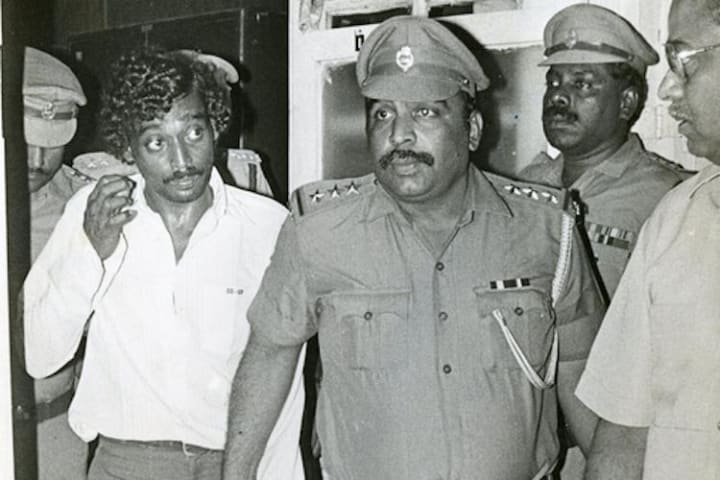
By 1988, Shankar had become wealthy and influential, with a multistory house, cars, bikes, and connections that could do anything. In May 1988, he and his gang were confronted by three members of a rival gang who refused to pay for using his women and demanded protection money. Shankar invited them to his den, promising to pay them, and then beat them to death and buried them. When Sampath's wife Vijaya filed a complaint with the police that her husband was missing and Shankar could be responsible, she was advised to file a complaint with Thiruvanmiyur police instead. However, the police were reluctant to investigate Shankar. A distraught Vijaya turned to her journalist neighbor, who published an article implying they might have been murdered.
The Inspector General ordered a special enquiry, and the deaths of the three men were discovered. When the police arrested Shankar and interrogated him, he confessed to the murders and to the other three murders he had committed. However, he escaped on 20 August 1990, with his five accomplices. Shankar's trial was held at the Chengalpattu sessions court, where he was sentenced to death, along with two of his associates, Eldin and Shivaji, on 31 May 1991. They were ultimately hanged in Salem Central Prison in 1995.
In 1992, Shankar's five accomplices were sentenced to six months of Rigorous Imprisonment after having been found guilty by the Chengai-Anna
SUMMARY
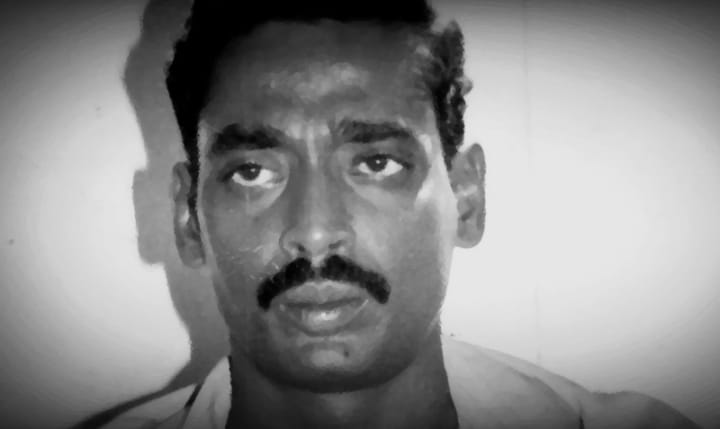
Gowri Shankar, better known as 'Auto' Shankar, was an Indian criminal, serial killer, and gangster who terrorized Chennai in the 1970s and 1980s. He started his criminal career by peddling cycle rickshaws and then moved on to transport illegal liquor and eventually entered the prostitution trade. Shankar's gang eliminated rivals either through the police force or murder. He was involved in multiple murders, including that of his third wife and her lover, and three members of a rival gang. He was ultimately sentenced to death along with two of his associates in 1991 and hanged in 1995.
Shankar's trial and subsequent conviction shed light on the nexus between organized crime and politics, and how it operated in Chennai at the time. The case has become a landmark in Indian legal history, as it was cited in relation to journalistic exposés and the invocation of the American free speech doctrine by the Supreme Court.
The case also sparked debate about the role of cinema in promoting crime, with some officials claiming that films had a significant influence on Shankar's criminal behavior. However, this argument remains controversial and is still being debated today.
Overall, Gowri Shankar's story is a cautionary tale about the dangers of organized crime and the need for a strong legal system to bring such criminals to justice. The case highlights the importance of proper investigation, unbiased prosecution, and fair trial procedures, which can help prevent such crimes in the future.
About the Creator
JACK
YoFan https://yo.fan/lotsoflove
In Cold Blood: Anatomy of a True Crime Classic
The True Crime Reader: Truman Capote’s 'In Cold Blood' Welcome to The True Crime Reader, the podcast where literature meets real life—and the line between truth and narrative blurs. I’m your host, and today we’re journeying into the heart of rural 1950s America to examine Truman Capote’s genre-defining work, In Cold Blood. This episode, we’ll peel back the layers of a book that didn’t just recount a murder—it transformed journalism, challenged the ethics of true crime, and left a profound mark on how we tell stories about violence, psychology, and the American Dream.
By Kristen Barenthaler4 days ago in Criminal
The Town That Slept: How Ephrata's Obsession with "Curb Appeal" Hid a House of Horrors
The "Perfect" Borough Ephrata, Pennsylvania, prides itself on its image. It is the home of the historic Ephrata Cloister, a site of religious devotion and discipline. It is a town of "Main Street" revitalization projects, boutique coffee shops, and carefully managed public relations. The Borough Council and its various sub-committees spend hours debating the aesthetics of the town. They want Ephrata to look safe, prosperous, and inviting.
By Sunshine Firecracker4 days ago in Criminal


Comments
There are no comments for this story
Be the first to respond and start the conversation.