
Are Serial Killers Born or Made?
The Debate That’s Dividing Scientists
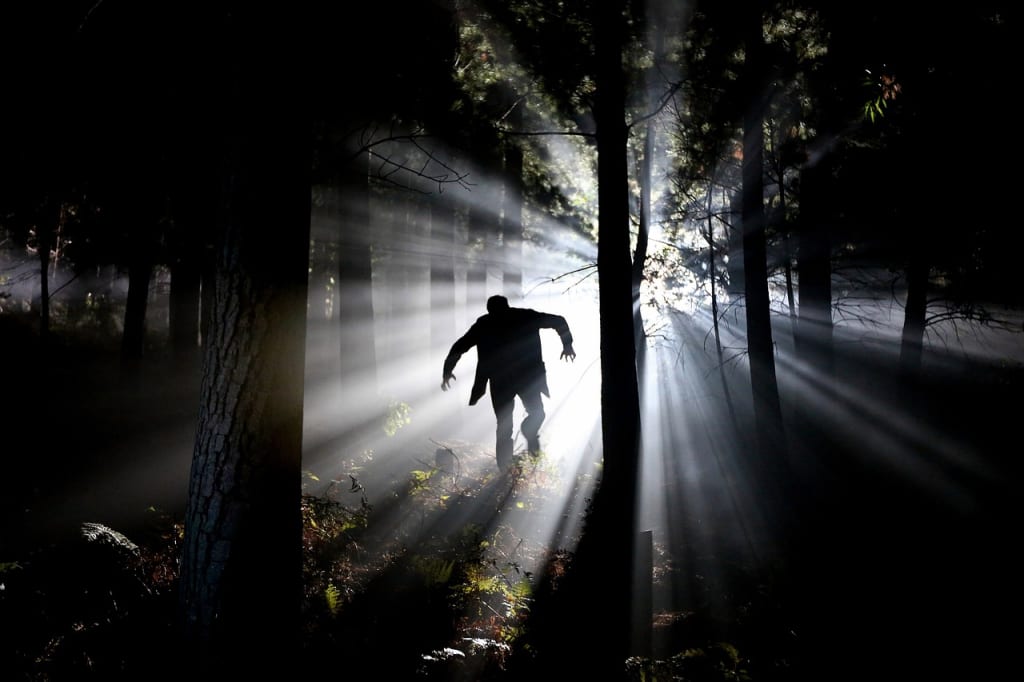
Serial killers have long fascinated and scared us. Names like Jack the Ripper and Ted Bundy make us wonder what drives them. Is it their genes or their environment? Scientists, psychologists, and criminologists have been debating this for years.
Some say genes and brain issues are key. Others point to childhood trauma and social factors. We'll explore this debate, looking at new research, case studies, and insights into serial killers' minds.
The Case for Nature: Are Serial Killers Born?
Many believe serial killers are born with traits that lead to violence. Research into genetics and the brain has uncovered disturbing facts.
The Warrior Gene and Genetic Links
Studies link certain genes, like the MAOA-L gene, to aggression. This gene affects mood and impulse control. Some people with this gene are more violent. But not all, raising questions about its role in serial murder.
Brain Abnormalities in Serial Killers
Neuroscience has found brain issues in serial killers. Scans show problems in areas for impulse control and emotions. This might explain their lack of remorse.
Psychopathy and Lack of Empathy
Psychopathy, with traits like no empathy, is common in serial killers. Dr. Robert Hare's checklist shows many killers score high. This suggests psychopathy might be innate.
The Case for Nurture: Are Serial Killers Made?
While biology is a factor, many believe environment shapes serial killers. Childhood trauma, abuse, and social influences can lead to violence.
Childhood Trauma and Abuse
Many serial killers faced severe childhood trauma. Abuse and neglect can cause lasting damage. For example:
• Ted Bundy had a complex family situation, affecting his identity.
• Ed Kemper suffered extreme abuse from his mother, leading to hatred for women.
• Aileen Wuornos was abused, which likely contributed to her violent behavior.
The Role of Social and Environmental Factors
Other factors like poverty and peer influence can lead to violence. Early signs of cruelty or isolation can grow into psychopathy. A bad environment can fuel these behaviors.
The Influence of Media and Culture
Some criminologists think that society plays a big role in serial murder. They point to violent media, becoming desensitized to violence, and the glorification of killers. For instance, the "copycat effect" shows how media can inspire killers.
The Zodiac Killer's case is a prime example. His cryptic letters captivated the public, shaping his legacy through media.
The Middle Ground: A Combination of Nature and Nurture
Today, most agree that serial killers come from both nature and nurture. Biological traits might start it, but environment decides if it turns violent.
The Diathesis-Stress Model
This model says we might have a genetic leaning towards certain behaviors. But, it's environmental stress that decides if we act on it. For example, someone with the MAOA-L gene might never be violent unless they face extreme trauma.
Case Studies: Nature and Nurture in Action
• Jeffrey Dahmer had a tough childhood but showed signs of psychopathy early. His story shows both genetics and environment played a part.
• Richard Ramirez grew up in a violent home and was influenced by his sadistic cousin. This shows how environment can shape violent behavior.
• Dennis Rader (BTK Killer) seemed normal as a child but showed psychopathic traits early. This suggests a strong biological factor.
Conclusion: The Unfinished Debate
Is it nature or nurture that makes serial killers? The truth is complex. Genetics and brain issues might set the stage, but environment shapes the outcome. Serial killers are a mix of both.
Understanding this debate is key to prevention. Early help, mental health support, and social programs can reduce risks. Neuroscience might one day help us manage biological predispositions. Until then, we wonder: How many potential serial killers are among us, waiting for the right mix of nature and nurture?
About the Creator
Keep reading
More stories from Anthony Maghanga and writers in Criminal and other communities.
Push To Prevent Catapults Being Bought By Children
MP’s have been warned to put new legislation in place that will help to close a loophole in the law which allows people including children to legally buy weapons which is capable of killing wildlife. The alert was issued during a briefing in parliament which set out growing evidence that catapults were being misused against animals and to damage other people’s private property. The Naturewatch Foundation who hosted the session expanded on their message that at the moment there is a completely unregulated system where people of any age can buy weapons and there are no meaningful controls on sale or power.
By Ashish Prabhu5 days ago in Criminal
The First Rainbow Baby
Pitter-patter, pitter-patter. The rain fell in rhythmic splatters, slowly slowing, but still constant. Mira rolled onto her side pulling the blanket tight against her ears, but still she could hear chitter-chatter and scurrying feet of the creatures that refused to sleep in the lower decks.
By A. J. Schoenfelda day ago in Fiction


Comments
There are no comments for this story
Be the first to respond and start the conversation.