
Why Do Serial Killers Kill?
The Chilling Psychology Behind Murder.
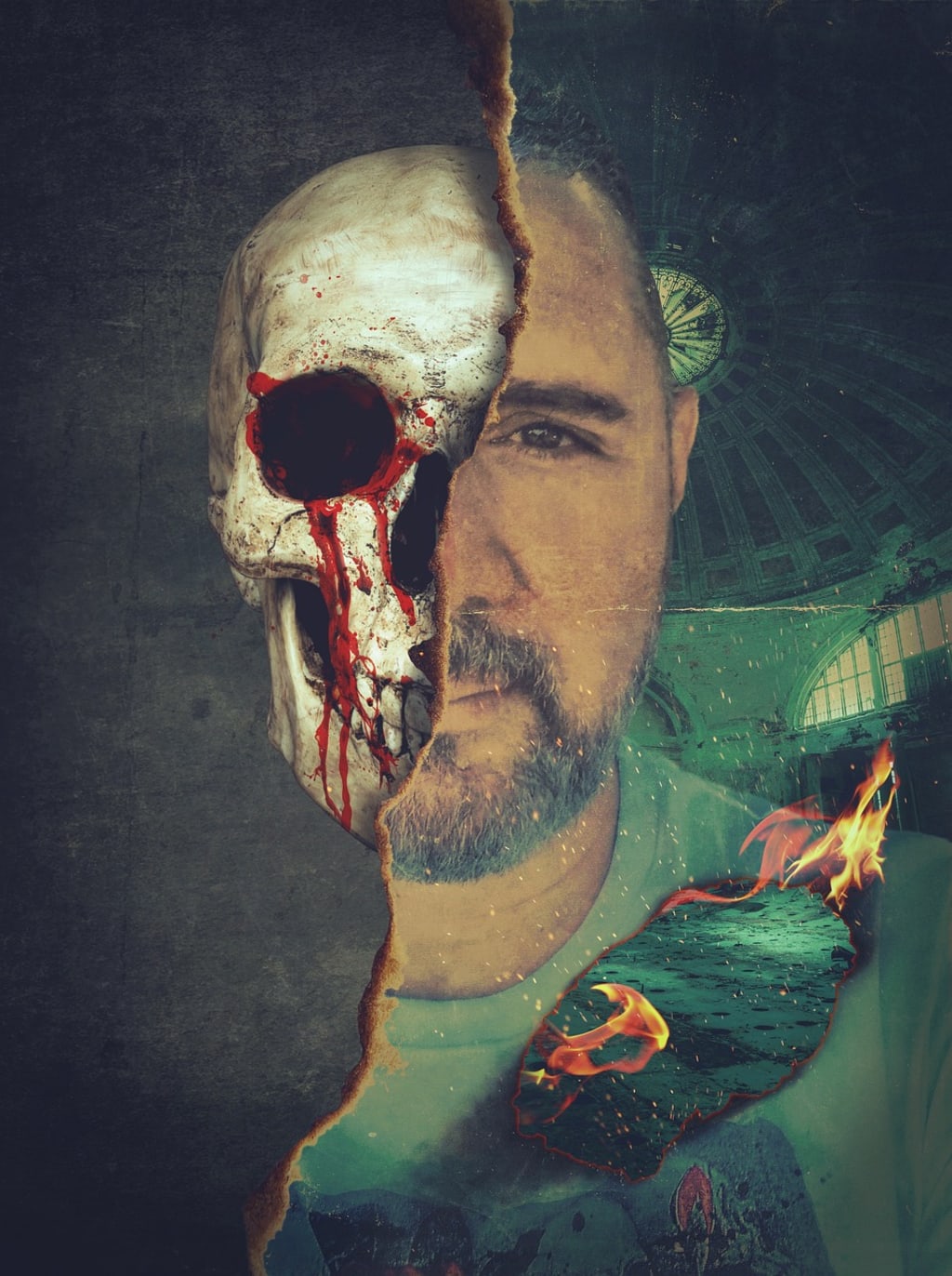
Serial killers have always fascinated and scared us. Names like Jack the Ripper and Ted Bundy come to mind. They leave a trail of destruction and questions.
What makes them keep killing? Is it their genes or their environment? To understand serial killers, we must look into their minds. We need to know what drives them and explore the darkest corners of human nature.
The Psychology of Serial Killers: Unraveling the Mind of a Murderer
1. The Role of Psychopathy and Sociopathy
Many serial killers are psychopaths or sociopaths. Both are types of Antisocial Personality Disorder (ASPD). But they show different traits:
• Psychopaths: They are manipulative and cold. They can hide their true nature behind a mask of charm.
• Sociopaths: They are more impulsive and emotional. They struggle with lasting relationships and often show violence early on.
Not all with these traits become killers. But when combined with other factors, they can be deadly.
2. Childhood Trauma and Abuse: The Breeding Ground for Killers
Many serial killers were abused or neglected as kids. This can lead to anger, lack of empathy, and trouble forming relationships. Some famous killers with tough pasts include:
• Ed Kemper: His mother's abuse in the basement fueled his rage.
• Aileen Wuornos: Severe abuse made her distrustful and violent.
3. The Thrill of Killing: Dopamine and the Brain’s Reward System
For some, killing is addictive and pleasurable. It releases dopamine, like a drug. This pleasure makes them want to kill again to feel that rush.
4. The Power and Control Motive
Serial killers often want to control their victims. This need can come from feeling weak, being bullied, or deep psychological wounds. For example, Ted Bundy enjoyed manipulating and destroying lives, satisfying his inner demons.
Different Types of Serial Killers: Classifying the Monsters
Experts group serial killers by their motives and actions. The main types are:
1. Visionary Killers
These killers believe voices or messages tell them to kill. They often have severe mental illnesses like schizophrenia.
• Example: David Berkowitz (Son of Sam) thought a demon-possessed dog told him to kill.
2. Mission-Oriented Killers
They see their murders as a mission, like a crusade. They believe they are fighting for a cause.
• Example: Joseph Paul Franklin, a white supremacist, targeted based on his racist views.
3. Hedonistic Killers
They kill for pleasure, like sexual thrill or material gain.
• Example: Jeffrey Dahmer killed for his necrophilic and cannibalistic desires.
4. Power/Control Killers
These killers love to control everything. They find joy in making their victims suffer.
• Example: Dennis Rader (BTK Killer) loved playing games with the police. He enjoyed scaring people.
The Role of Nature vs. Nurture: Are Serial Killers Born or Made?
The debate of nature vs. nurture is key in making a serial killer.
The Biological Argument: Born to Kill?
• Studies show some serial killers have brain issues. These issues affect their control and empathy.
• The MAOA gene is linked to aggression. This is especially true when combined with childhood trauma.
• PET scans of killers like Richard Ramirez (The Night Stalker) show brain problems. These problems might have led to their violent behavior.
The Environmental Argument: Shaped by Society?
• Many serial killers had tough childhoods. They faced abuse, neglect, and bad family environments.
• Being exposed to violence and rejection early on can lead to criminal behavior later.
• Childhood signs of antisocial behavior, known as the Macdonald Triad, are common in serial killers. This includes:
o Bedwetting beyond a normal age
o Animal cruelty
o Fire-setting
How Society Fuels Serial Killers: Media, Fame, and Fascination
The media often makes serial killers famous. This can inspire others to follow in their footsteps.
• True crime documentaries, books, and podcasts make serial killers more popular.
• Some killers, like Zodiac Killer, sought attention by taunting the media.
• Others, like Ted Bundy, charmed people with their looks and brains. This made their crimes even more fascinating.
•
Can Serial Killers Be Stopped? Early Warning Signs and Prevention
Knowing the warning signs can help catch potential killers early. Look out for:
• Persistent cruelty to animals
• Lack of empathy and remorse
• Repeated violent fantasies
• Manipulative and deceptive behavior
• Obsession with weapons and killing
Preventative Measures:
• Helping kids who have been abused early on is key.
• Providing mental health services for those showing antisocial signs is important.
• Keeping an eye on people with violent tendencies is crucial.
• Teaching law enforcement and the public how to spot threats is vital.
Final Thoughts: The Dark Allure of Serial Killers
Serial killers are both terrifying and fascinating. Their motives, profiles, and crimes grab our attention. Science and psychology have made progress in understanding them, but why they kill remains a mystery.
Are serial killers born, or are they shaped by their surroundings? Can we stop future killers, or will they always be among us? Exploring the darkest parts of human nature, one thing is clear: serial killers will always intrigue and haunt us.
About the Creator
Keep reading
More stories from Anthony Maghanga and writers in Criminal and other communities.
Serial Killer Brain.
When we think of serial killers, we often picture a cold, calculated, and remorseless individual lurking in the shadows. But what if their terrifying actions were not entirely a matter of choice? Neuroscientists have been delving into the minds of the world's most notorious murderers, and their findings are as chilling as they are fascinating. Could it be that some people are biologically wired for violence? Let’s explore the shocking discoveries that may change how we view criminal minds forever.
By Anthony Maghangaabout a year ago in Criminal
Ken Childs and the Shadow Network Behind Celebrity Surveillance
Hollywood is no stranger to intrigue. Behind the red carpets, blockbuster premieres, and glamorous headlines lies a parallel world where privacy is fragile and information can be extremely valuable. Over the years, celebrities have faced stalkers, hackers, and fraud schemes designed to exploit their wealth and visibility. Recently, reports circulating online have drawn attention to a controversial narrative involving private investigator Ken Childs and allegations that place him near the center of a disturbing story about celebrity surveillance.
By Shane Smith6 days ago in Criminal
Murdering the love of Sarah Maguire
January 2022, it was a cold winter in Tulsa, Oklahoma, one that felt colder than most for some of us in the city. If one were to be out in the evening air of the cold, it was bone chilling to the soul. On an evening like this one who wouldn’t enjoy a good home cooked meal by someone who seemed to care about them? Right, Folks?
By Cassie Moore3 days ago in Criminal


Comments
There are no comments for this story
Be the first to respond and start the conversation.