
Andrei Chikatilo: The Butcher of Rostov
The dark legacy of Andrei Chikatilo, the "Butcher of Rostov," and his atrocious crimes.

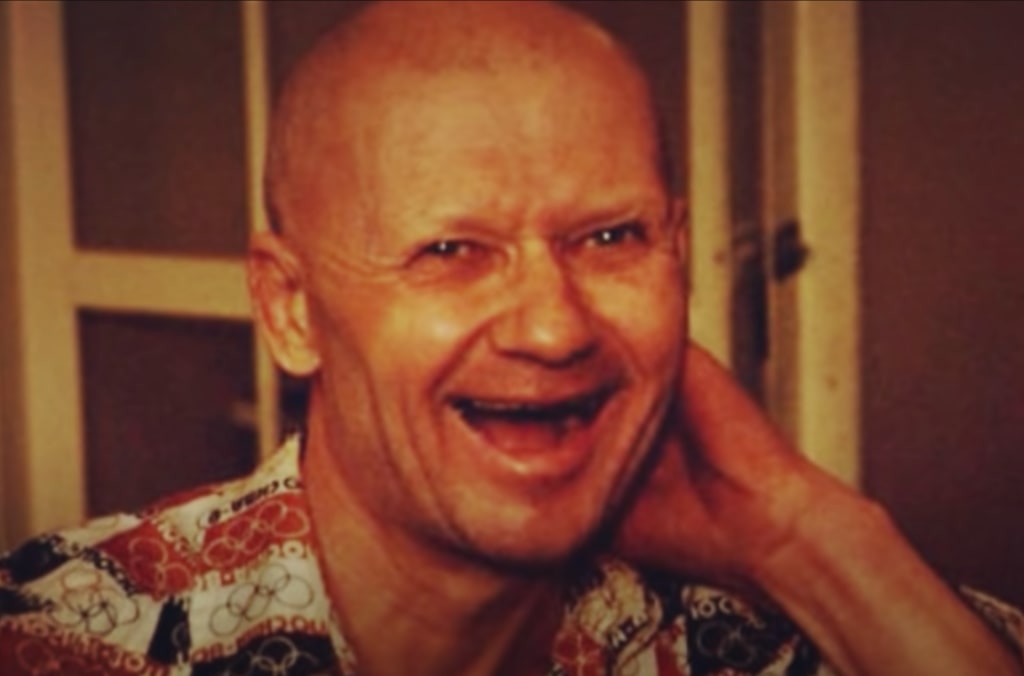
In the shadowy annals of criminal history, few names evoke as much dread as Andrei Chikatilo, known infamously as the “Butcher of Rostov.” Between 1978 and 1990, Chikatilo perpetrated a series of brutal murders, claiming the lives of at least 52 people.
His story is not only a tale of monstrous cruelty but also a stark indictment of the societal and systemic failures that allowed his atrocities to continue unchecked for over a decade. This narrative delves into the complex and harrowing life of a man whose outward normalcy belied a terrifying inner darkness.
Early Life and Psychological Complexities
Born on October 16, 1936, in the Ukrainian village of Yablochnoye, Andrei Romanovich Chikatilo’s early life was steeped in hardship and trauma. The era of Stalin's forced collectivization and the resulting famine left deep psychological scars on the young Chikatilo.
Stories of cannibalism were rampant, embedding a nightmarish fear and fascination within him. The psychological toll of these early experiences was compounded by a deeply dysfunctional family dynamic. His father, a soldier conscripted during World War II, was largely absent, leaving Chikatilo to be raised by a harsh and abusive mother.
From an early age, Chikatilo exhibited signs of social maladjustment and profound feelings of inadequacy. A chronic bed-wetter, he faced severe beatings from his mother, which only deepened his sense of humiliation and powerlessness.
His introverted nature and poor eyesight made him an easy target for bullies at school, further isolating him from his peers. These experiences of degradation and impotence planted the seeds of a dark desire for control and dominance that would later manifest in horrific ways.
The Descent into Madness
As Chikatilo entered adulthood, his struggles with sexual dysfunction further alienated him from normal societal interactions. Despite marrying a woman named Feodosia in 1971 and fathering two children, his inability to engage in conventional sexual relationships intensified his obsession with exerting power over others. This internal turmoil found its outlet in acts of unspeakable violence.
Chikatilo’s first known murder occurred in 1978, when he lured nine-year-old Yelena Zakotnova into a secluded area and brutally killed her. This initial act of violence marked the beginning of a grisly spree.
His modus operandi involved targeting vulnerable individuals, often young women and children, whom he would entice with promises of food, money, or companionship. Once isolated, Chikatilo subjected his victims to horrific acts of torture and mutilation before finally ending their lives.
The Killing Spree and the Failure of Authorities
The societal context of the Soviet Union in the 1980s played a significant role in Chikatilo’s prolonged reign of terror. A culture steeped in secrecy and denial, particularly regarding anything that could tarnish the image of the state, allowed Chikatilo to continue his atrocities with impunity. The initial investigations were plagued by incompetence and corruption, leading to the wrongful accusation and conviction of innocent individuals.
Chikatilo’s ability to evade capture was also facilitated by his unremarkable appearance and outwardly respectable persona. Educated and employed as a teacher and later as a supply clerk, he managed to maintain a facade of normalcy that deflected suspicion. This duality between his public and private selves allowed him to operate undetected for years.
Capture and Trial
Chikatilo's reign of terror finally ended in November 1990, when he was apprehended near a train station in Rostov-on-Don. His capture was the result of a meticulous and persistent investigation led by detective Viktor Burakov, who had long suspected that the murders were the work of a single individual.
During his trial, which began in April 1992, Chikatilo exhibited a chilling range of behaviors, from arrogance to hysteria. He confessed to 56 murders, though he was ultimately convicted of 52.
The trial revealed the meticulous and depraved nature of his crimes, with detailed accounts of the brutality inflicted upon his victims. Despite attempts by his defense to plead insanity, Chikatilo was found legally sane and fully aware of his actions.
The Psychological and Societal Implications
The case of Andrei Chikatilo raises profound questions about the nature of evil and the interplay between individual pathology and societal influences.
His crimes were not solely the result of personal psychological dysfunction but also reflected a society in turmoil. The oppressive and secretive environment of the Soviet Union, marked by widespread social dislocation, created conditions in which such horrors could proliferate unchecked.
Chikatilo’s actions also underscore the complexities of human psychology. His early experiences of powerlessness and humiliation, coupled with deep-seated sexual dysfunction, fostered a pathological need for control and dominance.
His ability to compartmentalize his monstrous acts from his everyday life highlights the disturbing capacity for duality within the human psyche.
Andrei Chikatilo’s legacy is one of horror and profound tragedy. His story serves as a grim reminder of the potential for darkness within the human soul and the dire consequences of societal and systemic failures.
The “Butcher of Rostov” was not just a product of his own twisted desires but also of the environment that shaped and enabled him. As we reflect on his crimes, we must also consider the broader implications for understanding and preventing such atrocities in the future.
Chikatilo's case underscores the importance of vigilance, transparency, and a deep commitment to addressing the root causes of violence in society.
Related Articles:
About the Creator
Jose Mejia
I am an accountant and blogger, combining years of finance experience with a love for technology. On my blog, I break down complex accounting regulations and tech trends into accessible and inspiring content for everyone.
Keep reading
More stories from Jose Mejia and writers in Criminal and other communities.
John Wayne Gacy: The Killer Clown
In the dimly lit basements of suburban Chicago, amidst the scent of freshly mown lawns and the laughter of children, a dark secret festered. This was the domain of John Wayne Gacy, a man whose jovial public persona as a community-minded businessman and part-time clown for children's parties masked a chilling and horrific reality.
By Jose Mejia2 years ago in Criminal
She Killed Her Sister When She Gave The Teen's Virginity to Her Boyfriend
Any person who can rape and kill an innocent member of their family is truly depraved. One who later admits they enjoyed it is truly demonic. Yet, a woman who took her criminal behavior to the depths of depravity is not even behind bars.
By Criminal Matters7 days ago in Criminal


Comments
There are no comments for this story
Be the first to respond and start the conversation.