
A Tragedy in Cenei: The Crime That Shook a Romanian Community
“When childhood collides with crime — a community searching for answers.”

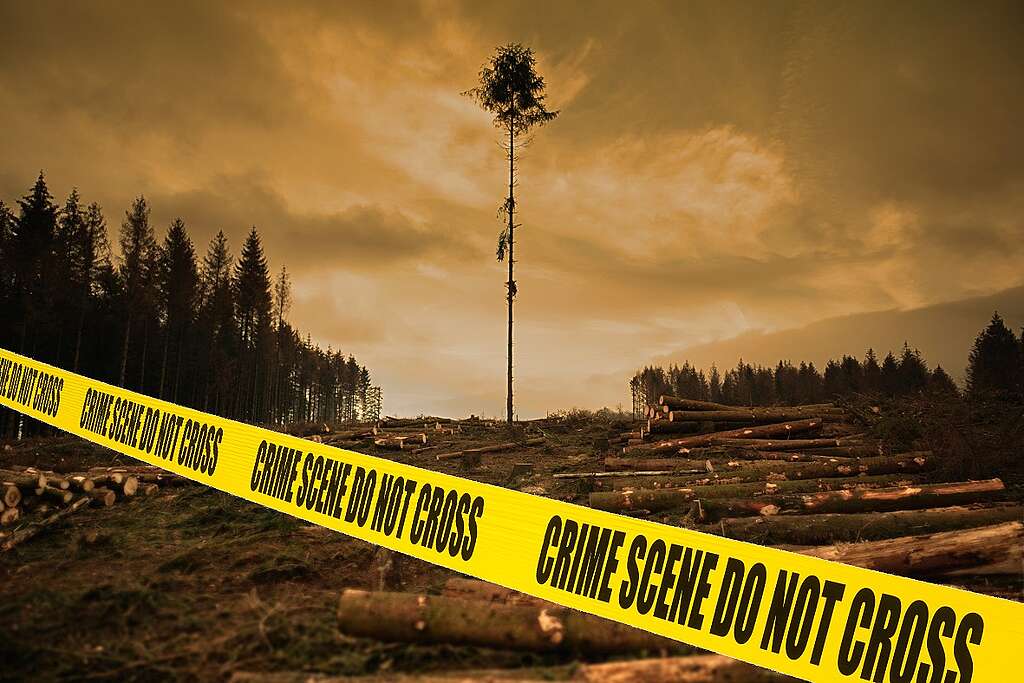
In early 2026, the quiet village of Cenei, located in Timiș, became the center of national attention after a shocking crime involving several minors. What happened there not only devastated a family and unsettled a local community, but also reignited a broader debate across Romania about youth violence, criminal responsibility, and the social factors that shape young lives.
A Small Village, A Big Shock
Cenei is a rural community near the Serbian border, known more for its agricultural landscape and close-knit population than for violent incidents. Like many villages in western Romania, it is the kind of place where people know each other by name, and daily life follows a predictable rhythm.
That sense of security was shattered when news broke that a 15-year-old boy had been killed. Authorities soon identified three suspects — two aged 15 and one aged 13 — all minors. The fact that individuals so young could allegedly be involved in such a serious crime left many residents struggling to comprehend the situation.
According to information released during the investigation, the attack was not entirely spontaneous. Prosecutors suggested that elements of planning may have been involved, which further deepened public concern. The idea that teenagers could organize and carry out such violence challenged common assumptions about childhood and adolescence.
The Legal Dimension
Because all those involved were minors, the case quickly raised complex legal questions. Under Romanian law, minors between 14 and 16 years old can be held criminally responsible if it is proven that they understood the consequences of their actions. Children under 14, however, are not criminally liable.
In this case, the two 15-year-old suspects may face legal consequences depending on the outcome of psychological evaluations and the court’s findings. The 13-year-old suspect, being below the age of criminal responsibility, cannot be prosecuted in the same way. Instead, protective or social measures may be considered.
The investigation has been coordinated by authorities from Timișoara, the largest city in the region and the administrative center of Timiș County. As the legal process unfolds, many Romanians are closely watching how the justice system handles a case involving such young individuals.
Community Grief and Fear
Beyond the legal aspects, the emotional impact on the community has been profound. In small villages like Cenei, tragedies resonate deeply. Families are interconnected, friendships overlap, and news travels quickly. The loss of a young life is not just a headline — it is a personal wound felt by neighbors, classmates, and relatives.
Parents in the area have reportedly expressed fear and confusion. How could something like this happen among children? Were there warning signs? Could it have been prevented? These questions linger long after the initial shock fades.
The victim’s death has also placed a spotlight on the broader environment in which young people grow up. Rural communities often face limited access to psychological counseling, extracurricular programs, and youth engagement initiatives. While many children thrive despite these limitations, some may struggle without adequate support systems.
A Broader Debate on Youth Violence
This case has reignited national discussions about juvenile crime in Romania. While violent crimes committed by minors are statistically rare, they tend to generate intense public reaction. Social media platforms amplified the story, with many users calling for stricter laws and lower ages of criminal responsibility.
Others, however, argue that focusing solely on punishment misses the deeper issues. Experts in psychology and social work often emphasize the importance of early intervention, family support, and mental health resources. Adolescence is a period of emotional volatility, identity formation, and heightened sensitivity to peer influence. Without guidance, conflicts can escalate in dangerous ways.
The tragedy in Cenei highlights the need for balanced solutions — accountability where appropriate, but also prevention and rehabilitation. Strengthening school counseling services, investing in community programs, and supporting vulnerable families may reduce the likelihood of similar incidents in the future.
Media Responsibility and Public Perception
Another important dimension of the case is how it has been portrayed in the media. Sensational headlines can attract attention, but they may also distort public perception. When minors are involved, ethical reporting becomes even more critical. Protecting identities and avoiding graphic details helps maintain respect for both the victim and the accused.
Responsible journalism focuses not only on what happened, but also on why it happened and how society can respond constructively. In that sense, the crime in Cenei should not only be remembered as a tragic event, but also as a call to reflect on the conditions facing young people today.
Moving Forward
As the legal proceedings continue, the village of Cenei remains marked by the tragedy. Time may ease the immediate shock, but the emotional scars will likely endure. For the victim’s family, the loss is immeasurable. For the accused minors and their families, the consequences — legal and social — will shape their futures in profound ways.
Ultimately, this case is not just about one village in Timiș County. It is about the fragile boundary between childhood and responsibility, about the role of community and family, and about the systems designed to protect and guide young people.
The tragedy in Cenei serves as a painful reminder that violence can emerge even in places that seem peaceful and secure. It challenges society to look beyond outrage and toward meaningful solutions — solutions that prioritize prevention, understanding, and the protection of future generations.
About the Creator
Cease to Exist
Charles Manson was born in Cincinnati Ohio to a sixteen-year-old woman named Kathleen Maddox who was originally from a Conservative family in Kentucky. His biological father was believed to be a man named Colonel Hendersen Scott, Jr. from of Catlettsburg Kentucky whom Manson had no memory of. His birth certificate only listed his name as "Manson" after his mother married a man named William Eugene Manson who worked as a dry cleaner. Young Charles was mostly left with babysitters while his mother spent most of her time on alcohol binges. Maddox and Manson would divorce on April 30th 1937. Two years later Maddox was arrested for assault and robbery with Kathleen earning a five year jail sentence. Young Carlie's care was placed with relatives of Maddox in West Virginia. He would discover a love for music while living with them thanks to the piano in their house.
By Sean Callaghan7 days ago in Criminal
The Carters Are Quietly Aware Of Who Has Been Working Against Their Empire by NWO Sparrow
From courtroom showdowns to industry rivalries, the conflicts that sparked whispers across entertainment circles For more than two decades, Jay Z and Beyoncé have maintained a rare level of cultural influence while protecting their brand with calculated precision. Their dominance in music, business, and philanthropy has placed them in a unique position where praise and criticism often operate at extreme levels. In recent years, online conversations have reignited speculation that coordinated attacks exist against the power couple. While no verified evidence confirms organized smear operations, several high profile figures have played roles in controversies that amplified negative narratives and public suspicion of Hollywood's most influential couple.
By NWO SPARROW7 days ago in Criminal




Comments
There are no comments for this story
Be the first to respond and start the conversation.