
A Tale of Missed Daughters: The Hidden Tragic Event of Female Foeticide
The Cultural Setting: Examining Social Perceptions of Sons and Daughters
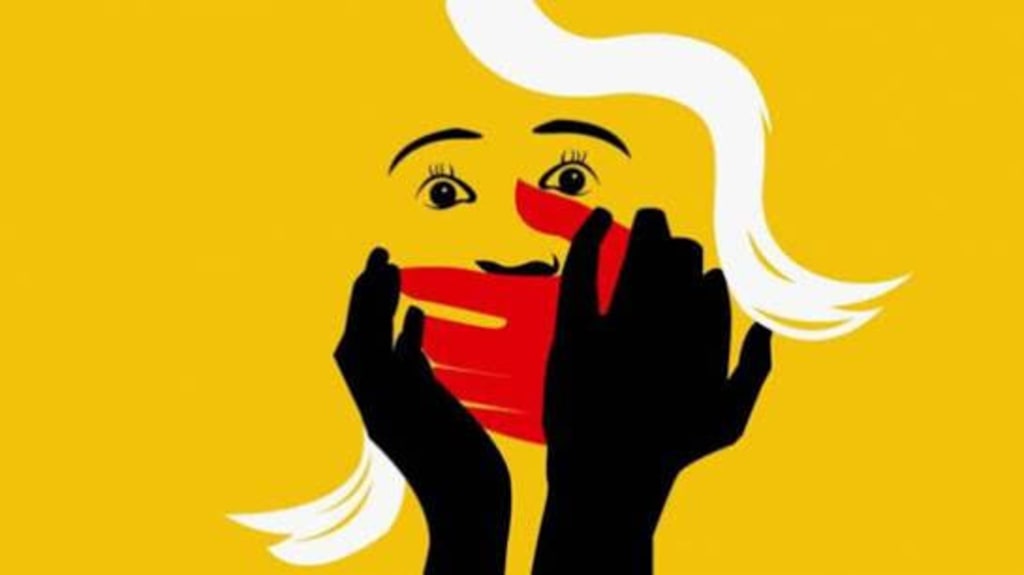
A story of daughters gone before they ever breathed their first breath is told in the colorful fabric of India. The practice of aborting female fetuses, or female foeticide, serves as a sobering reminder of the pervasive gender inequalities in society. This narrative dives into the nuances of this problem, examining its origins, effects, and countermeasures.
Overview of Female Foeticide
Preferential views toward sons are a larger social issue, and female foeticide is a manifestation of it. The desire for male children persists despite progress in women's rights and empowerment, which results in the selective abortion of female pregnancies. Millions of girls are missing from India's population as a result of this practice, which has caused a major imbalance in the sex ratio.
Recent estimates indicate that prenatal sex selection and female foeticide have caused over 1.58 crore girls to disappear since 19901. This startling statistic emphasizes how serious the problem is and how quickly reform is required.
The Cultural Background
Due to dowry expectations and the notion that they will leave their family after marriage, females are viewed as financial liabilities in many Indian cultures, whereas sons are recognized as economic assets and heirs. It is challenging to question conventional gender roles and expectations because of this strongly embedded worldview.
Some communities have, nevertheless, been successful in questioning these conventions. For example, the Rajasthani town of Piplantri has emerged as a ray of hope. Shyam Sunder Paliwal, the village chief, started a special custom after losing his daughter: 111 trees are planted in her honor each time a new daughter is born. In addition to commemorating the birth of girls, this symbolic act offers the community real benefits through environmental preservation.
Government Programs
The Indian government has started a number of programs to stop female foeticide. Launched in 2015, the "Beti Bachao, Beti Padhao" campaign seeks to increase awareness of the value of girls and offer financial incentives for their education and welfare3. Other programs, such as the "Delhi Ladli Scheme," encourage parents to invest in their daughters' futures by providing monetary transfers to families depending on educational attainment.
Despite these initiatives, problems still exist. Many programs ignore wealthy families that also have sex-selective abortions in favor of focusing on lower-income households. For example, the high rates of foeticide among upper-class households in Haryana underscore the necessity for more comprehensive treatments.
The Significance of Advocacy and Awareness
It is essential to increase awareness of the problem. Local governments have responded to the issue by taking action as a result of media initiatives like Aamir Khan's Satyamev Jayate. Raising awareness and combating harmful practices have also been accomplished through cultural interventions, such as theater productions that address female infanticide.
Resulting Effects and Prospects
The ramifications of female foeticide are extensive. It is predicted that sex-selective abortions will reduce the number of female births by 6.8 million by 2030. Family relationships and community dynamics will be impacted by this imbalance, which will have major social and economic repercussions.
In conclusion
To sum up, the problem of female foeticide is complicated and stems from ingrained prejudices in society. Even while government programs and awareness efforts have made strides, much more needs to be done. Addressing these prejudices head-on is crucial to fostering a society that loves daughters equally and acknowledges their contributions to the community.
Several important lessons can be drawn from the tale of female foeticide:
Impact on Culture and Society: The narrative emphasizes how deeply rooted societal inclinations for boys can result in behaviors such as female foeticide. This demonstrates how critical it is to confront prejudices and societal norms.
Awareness and Advocacy Are Important: Increasing awareness through cultural initiatives and the media can have a big impact on public opinion. This highlights the need of advocacy in opposing detrimental behaviors.
Government Initiatives: The success of government programs such as "Beti Bachao, Beti Padhao" shows that focused efforts can boost girls' education and well-being while also influencing societal views.
Community-Led Change: Piplantri Village serves as an example of how effective community-led projects can be in fostering constructive change. This emphasizes how crucial grassroots movements are in questioning established conventions.
Economic and Social Repercussions: The narrative emphasizes the long-term effects of female foeticide, such as demographic disparities and their possible social and financial ramifications. This highlights the necessity of long-term fixes that deal with the problem's causes as well as its effects.
About the Creator
Joysi
Writing with my feathers..
The Global Power Struggle in 2026: Why Are Tensions Rising Between the United States, Russia, China, and Venezuela?
f tensions between the United States and each of Russia, China, and Venezuela. These tensions cannot be understood as isolated events or temporary crises; rather, they are a direct reflection of a deeper struggle over global influence, strategic resources, and the future shape of the international order. At the center of this complex scene, Venezuela has emerged as a major flashpoint, while Russia and China play the role of supporters and counterweights to U.S. actions.
By America today 6 days ago in Criminal
Two Teens, One Bus, and a Nation Watching
Hello, and welcome to “The True Crime Reader,” where we dig beneath the headlines to unravel the stories that shape our understanding of crime, justice, and society. Today’s episode takes us to Oakland, California, for the story behind Dashka Slater’s powerful nonfiction book, “The 57 Bus”—a case that stunned the Bay Area and reverberated across the country.
By Kristen Barenthaler4 days ago in Criminal



Comments
There are no comments for this story
Be the first to respond and start the conversation.