
7 Brutal Films That Are A Must-Watch
Gritty Tales That Stay With You Long After the Credits Roll


Cinema has the power to move us, provoke thought, and often, challenge our perceptions of the world. Some films delve into the rawest aspects of humanity, exploring pain, resilience, and the darker corners of existence. These are not light watches, but their impact is undeniable. Here are seven brutal films that are essential viewing for those who appreciate the unflinching art of storytelling.
1. "Requiem for a Dream" (2000)
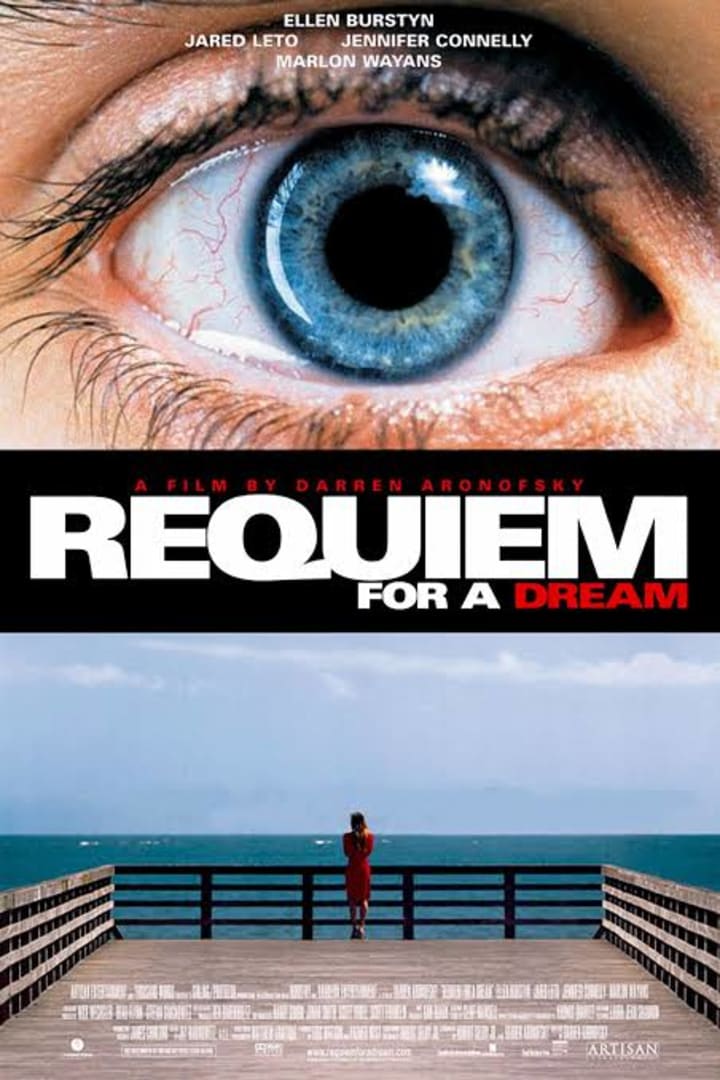
Directed by Darren Aronofsky, this harrowing depiction of addiction showcases the descent of four individuals as they chase their dreams—and succumb to their demons. Ellen Burstyn delivers a heart-wrenching performance as Sara Goldfarb, a lonely woman consumed by the idea of fame. Aronofsky's unrelenting approach, coupled with Clint Mansell's haunting score, makes this a visceral experience. Though difficult to watch, the film’s raw honesty and innovative cinematography have cemented its place as a masterpiece.
2. "Oldboy" (2003)

This South Korean neo-noir thriller, directed by Park Chan-wook, is a tale of vengeance that’s as violent as it is tragic. After being imprisoned in a cell for 15 years without explanation, Oh Dae-su is released and given five days to uncover the truth. What unfolds is a labyrinth of cruelty and shocking revelations. With its unforgettable hallway fight scene and gut-wrenching finale, "Oldboy" challenges viewers to grapple with moral ambiguity and the consequences of revenge.
3. "Schindler's List" (1993)

Steven Spielberg’s magnum opus is a devastating portrayal of the Holocaust. Based on a true story, the film follows Oskar Schindler, a German businessman who saved over a thousand Jews by employing them in his factories. Liam Neeson, Ralph Fiennes, and Ben Kingsley deliver outstanding performances. The stark black-and-white cinematography accentuates the film's unflinching portrayal of human suffering. While deeply distressing, "Schindler’s List" is a poignant reminder of both the horrors of history and the capacity for courage and compassion.
4. "12 Years a Slave" (2013)
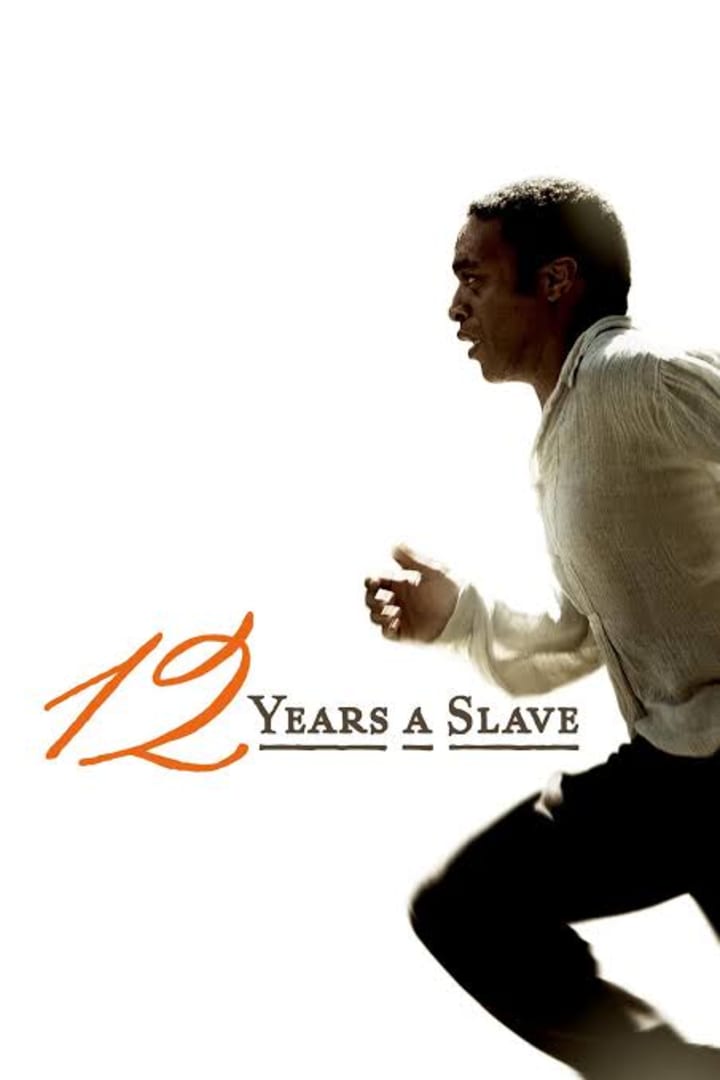
Directed by Steve McQueen, this adaptation of Solomon Northup’s memoir brings the brutal reality of slavery to life. Chiwetel Ejiofor’s portrayal of Northup—a free man kidnapped and sold into slavery—is both heartbreaking and inspiring. The film doesn’t shy away from showing the physical and emotional torment endured by its characters, including powerful performances by Lupita Nyong'o and Michael Fassbender. "12 Years a Slave" is a searing indictment of a dark chapter in history, compelling viewers to confront its legacy.
5. "The Passion of the Christ" (2004)
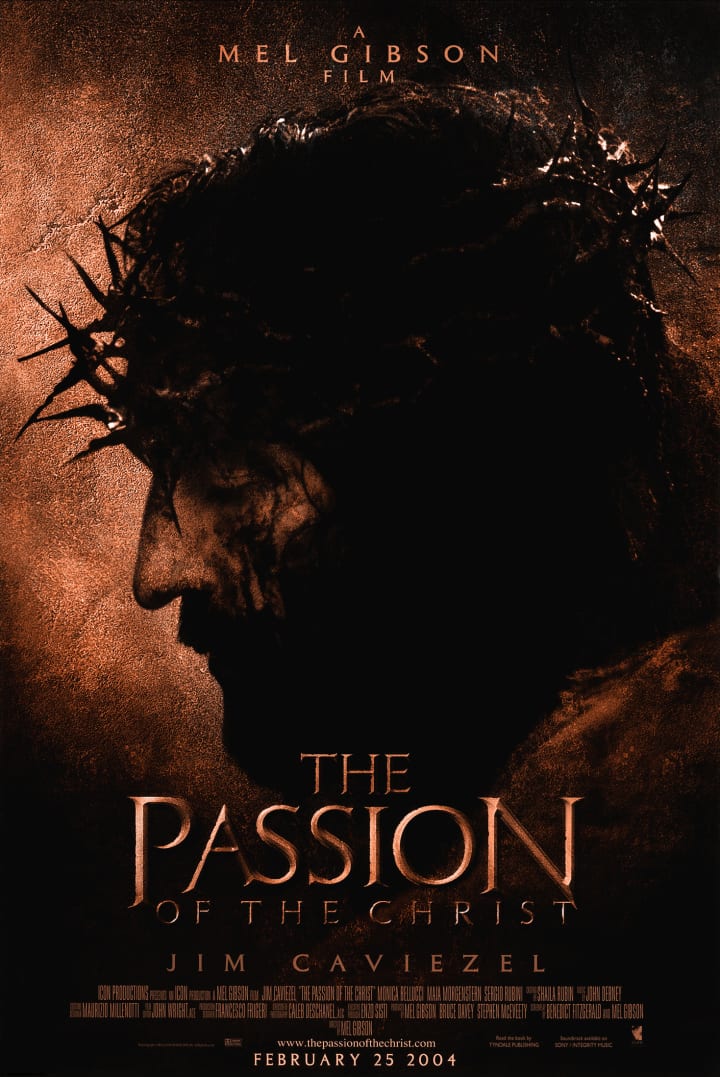
Mel Gibson’s controversial depiction of the final hours of Jesus Christ’s life is one of the most graphic and unrelenting portrayals of suffering ever put to film. Jim Caviezel embodies Jesus with haunting vulnerability, while the film’s cinematography starkly captures the brutality of the crucifixion. Regardless of one’s religious beliefs, "The Passion of the Christ" is an intense exploration of sacrifice, faith, and endurance, making it a deeply emotional experience.
6. "A Clockwork Orange" (1971)

Stanley Kubrick’s dystopian masterpiece is as disturbing as it is iconic. Following Alex DeLarge, a charismatic delinquent with a penchant for "ultraviolence," the film explores themes of free will, societal control, and the nature of evil. Malcolm McDowell’s chilling performance and Kubrick’s visionary direction make "A Clockwork Orange" a compelling yet unsettling watch. Its violent imagery and provocative themes sparked controversy upon release, but its impact on cinema is undeniable.
7. "Come and See" (1985)
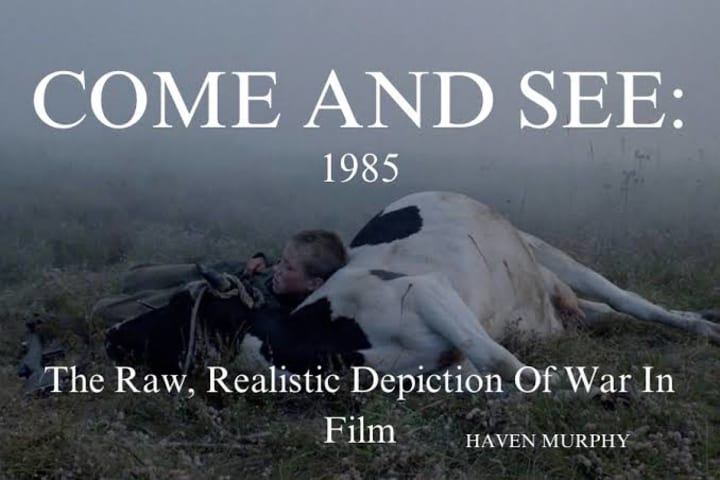
This Soviet war film, directed by Elem Klimov, is a haunting depiction of the atrocities of World War II. Told through the eyes of a young boy, Florya, "Come and See" immerses viewers in the chaos and terror of war. The use of unflinching realism and surreal, almost nightmarish sequences creates an unforgettable experience. With its harrowing imagery and unrelenting narrative, this film is a testament to the devastating impact of war on humanity.
Final Thoughts
These films are not for the faint-hearted, but their power lies in their ability to confront difficult truths and provoke profound reflection. They challenge us to empathize, to understand, and to remember. Watching them can be an emotional journey, but it’s one that deepens our appreciation for the resilience of the human spirit and the artistry of cinema.
About the Creator
Keep reading
More stories from INFO INSIDER and writers in Criminal and other communities.
The Silent Witness
Detective Mark Calloway had seen his fair share of crime scenes, but this one was different. The small apartment was spotless—too spotless. No fingerprints, no signs of struggle, and no murder weapon. Just a body, perfectly positioned on the pristine white couch, hands folded as if in prayer.
By INFO INSIDER 12 months ago in Criminal
Donald Trump Withdrawing U.S. Forces From Qatar Amid Fears of Iranian Escalation
Donald Trump Considers Withdrawing U.S. Forces From Qatar Amid Fears of Iranian Escalation The recent killing of approximately 2400 protesters in Iran has once again drawn global attention to the deep political and security crisis inside the country. These deaths, linked to widespread demonstrations against economic hardship, political repression, and government authority, have intensified regional tensions and raised serious concerns about Iran’s internal stability. As unrest grows and the risk of external escalation increases, the security balance in the Middle East has come under renewed scrutiny.
By America today a day ago in Criminal



Comments
There are no comments for this story
Be the first to respond and start the conversation.