
Why I Deleted All My Social Media for a Month
It started with a scroll.

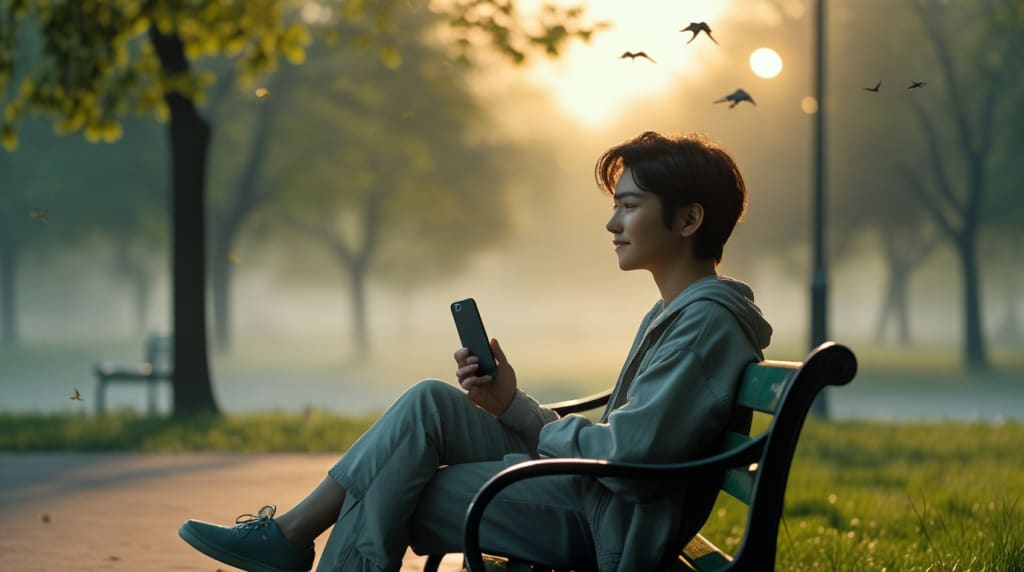
One lazy Sunday morning, I found myself on my phone before I even opened both eyes. I didn’t check the time, the weather, or even get out of bed. I opened Instagram. Then Twitter. Then TikTok. Before I knew it, an hour had passed. An hour of my life, gone. And for what? To watch strangers lip-sync, fake their “morning routine,” and flaunt vacations I couldn’t afford?
I felt empty. Worse, I felt angry — not at them, but at myself.
That moment sparked something. A question I hadn’t allowed myself to fully face: Was social media still adding value to my life — or was it slowly draining it?
The Decision
I decided, without a dramatic announcement or farewell post, to delete all my social media apps for 30 days. Not just log out — delete. Instagram, Facebook, Twitter, TikTok, even LinkedIn. Gone. I told a few close friends so they wouldn’t think I’d vanished, then I was off.
Week One: The Itch
The first few days were uncomfortable — like quitting caffeine. My fingers still hovered over where the apps used to be, muscle memory searching for a dopamine fix. I caught myself instinctively grabbing my phone in silent moments: waiting in line, during commercial breaks, even while eating. My brain was used to being distracted.
I started noticing how much I relied on my phone to avoid boredom. Without it, I felt... exposed. Like I had no filter between me and my thoughts. It was unsettling — but it was also the point.
Week Two: The Calm
By the second week, something shifted. My mind felt quieter. I started reading again — real books. I went for walks without needing to document them. I journaled for the first time in months. I even began sleeping better. No blue light rabbit holes at 1 AM, no late-night anxiety triggered by news headlines or comparison traps.
Without the curated highlight reels of others, I began paying more attention to my own life. The real one — unfiltered, unposted, unnoticed by algorithms.
Week Three: The Realizations
I realized how much social media had been shaping my moods. If someone I followed posted about a job promotion, I felt like I was behind. If a friend posted a group photo I wasn’t in, I felt excluded. If I didn’t get enough likes, I questioned my worth.
But during this break, I stopped measuring my days by notifications. I felt freer, lighter. And, strangely, more connected — not less. I had deeper conversations with friends because I wasn’t “keeping up” with them via Stories. I called people. I made plans. I showed up.
Week Four: The Choice
By the fourth week, I started to dread returning to my digital habits. Not because I feared missing out — but because I feared losing this clarity.
I knew I wouldn’t stay offline forever. Social media isn’t inherently evil. It can be a tool, a connection point, a place for creativity and inspiration. But it had stopped being a tool for me — it had become a reflex, a crutch.
So, I made a new rule: if an app doesn’t serve me, I don’t serve it.
What I Gained
Deleting social media didn’t transform my life overnight. But it made me realize how much of my life wasn’t being lived — it was being watched, curated, filtered, and compared.
Now, I use social media with intention. I post less. I scroll less. I live more.
Sometimes, stepping away is the only way to see clearly.
And after 30 days offline, I finally saw myself again.
About the Creator
Keep reading
More stories from Ayaz L Behrani and writers in Confessions and other communities.
Thoughts on Vocal and the way the world is
"Death cannot stop true love, only delay it." – Wesley in The Princess Bride. I decided to come back to Vocal on a very cold and dark night at the end of December. I had been, and still am, convalescing from a horrible staph infection that had gone misdiagnosed for months. This, paired with the increasing challenges of being healthy, making the best choices for my co-parented child, being a wife, and being a director at a new job, was a lot to manage.
By Jazzy 3 days ago in Confessions
The Cost of a Western Dream
The Allure of the American Dream and a Father's Blind Faith He was a man who embodied a certain kind of Chinese success: ambitious, driven, and perpetually looking westward. In his eyes, the traditional values of his homeland were ultimately quaint, even backward. He subscribed wholeheartedly to the narratives peddled by certain public intellectuals – that Western civilization, particularly its education system, was superior, liberating, and the pinnacle of modern human achievement.
By Linda Yule5 days ago in Confessions


Comments
There are no comments for this story
Be the first to respond and start the conversation.