
Unveiling America's Persistent Poverty: A Call for Structural Reforms
Unmasking the Paradox: America's Poverty Amidst Abundance

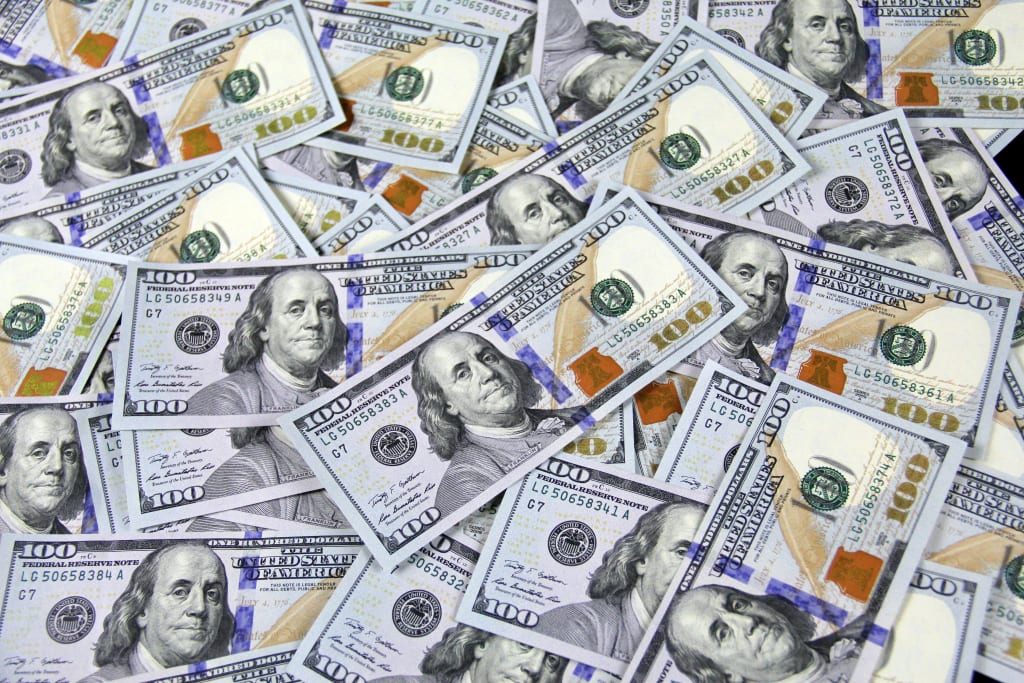
America, known for its economic might and abundance, is paradoxically home to millions living in poverty. Despite being the world's richest nation in terms of GDP, over 37.9 million Americans, accounting for 11.6% of the population, are trapped in poverty and economic insecurity. This stark contrast raises questions about the nation's failure to address the issue effectively. This article delves into the reasons behind the soaring poverty rates, including income inequality, lack of social safety nets, and outdated measurement methods. It also explores potential solutions to alleviate the plight of those facing economic hardships.
The Impact of COVID-19 on Poverty
Before the pandemic, poverty rates were gradually declining, with approximately 34 million people living in poverty in 2019, down from 48.8 million in 2013. However, the pandemic disrupted this progress, leaving countless vulnerable families struggling to access stable employment and long-term opportunities.
Income Inequality Amplifies Poverty
Income inequality plays a pivotal role in America's persistent poverty problem. According to the US Census, the top 10% earn over 13 times more than the bottom 10%. This growing income gap creates greater challenges for individuals and families to escape poverty, as the distance between the rungs on the ladder to upward mobility widens.
The Impact of the Pandemic on Inequality
The pandemic exacerbated income inequality. Many corporations were able to retain their staff by providing bonuses and raises, while smaller businesses and individuals did not have such resources. As inflation outpaced the earnings of the majority, the wealth gap deepened, perpetuating poverty for those left behind.
Wages and Racial Disparities
The issue of low wages is especially acute for workers of certain races. A large portion of the poor or low-income population in the US comprises people of color, emphasizing systemic racial disparities that continue to hinder progress.
Lack of Social Safety Nets
America's social safety nets often fall short of providing adequate support to those in need. Programs like welfare may not offer enough financial assistance to lift families out of poverty, leading them to continue struggling despite being employed.
Outdated Poverty Measurement
The official poverty measure, established in the mid-1960s, fails to accurately represent the true extent of poverty today. The method relies on pre-tax income, disregarding the impact of government assistance and modern family compositions, leading to miscounts and ineffective policymaking.
The Need for a Comprehensive Measurement
Experts argue that adopting a relative measure, like those used in European countries, which considers median income levels, would offer a more accurate representation of poverty in the US. Additionally, a living wage and guaranteed access to good-paying jobs would be crucial steps in alleviating poverty.
Policy Solutions to Combat Poverty
To address the issue of poverty effectively, the government must implement targeted social programs. Expanding child tax credits, raising the minimum wage to at least $15 per hour, and ensuring universal access to a basic income are promising initiatives that could significantly impact impoverished communities.
Conclusion
America's paradoxical situation of abundance and widespread poverty demands immediate attention and action. The COVID-19 pandemic exposed the vulnerability of millions of Americans, necessitating comprehensive reforms to tackle income inequality and improve social safety nets. By implementing targeted policies and modernizing poverty measurement methods, the nation can work towards eradicating poverty, ensuring a brighter and more equitable future for all its citizens. Only through collective efforts can the US truly live up to its reputation as a superpower and provide opportunities for prosperity to every individual.
About the Creator
Keep reading
More stories from Arvils Sarkans and writers in Confessions and other communities.
Ancient Roads and Enigmatic Statues
Throughout history, humanity has left behind remarkable traces of its existence in the form of ancient roads and enigmatic statues. From the iconic Easter Island Moai to the mystical Stonehenge, these structures continue to captivate our imagination and raise countless questions about their origins, purpose, and construction techniques. This article delves into some of the world's most intriguing ancient roads and statues, shedding light on the extraordinary engineering and lost cultures of the past.
By Arvils Sarkans2 years ago in Earth
Thoughts on Vocal and the way the world is
"Death cannot stop true love, only delay it." – Wesley in The Princess Bride. I decided to come back to Vocal on a very cold and dark night at the end of December. I had been, and still am, convalescing from a horrible staph infection that had gone misdiagnosed for months. This, paired with the increasing challenges of being healthy, making the best choices for my co-parented child, being a wife, and being a director at a new job, was a lot to manage.
By Jazzy 11 days ago in Confessions
Word of the Day: 不利な方
I am actually happy enough to listen to Gulsen in the hallway. I usually listen to it in the gym, which I haven't been in forever. Now I am remembering I need to reply to Teresa. Bruh, I am so overbooked. I have people like 5 days in advanced. It is way too much.
By Kayla McIntosh2 days ago in Confessions


Comments
There are no comments for this story
Be the first to respond and start the conversation.