
Ancient Roads and Enigmatic Statues
Exploring the Ingenious Engineering and Lost Cultures of the World's Ancient Roads and Monuments

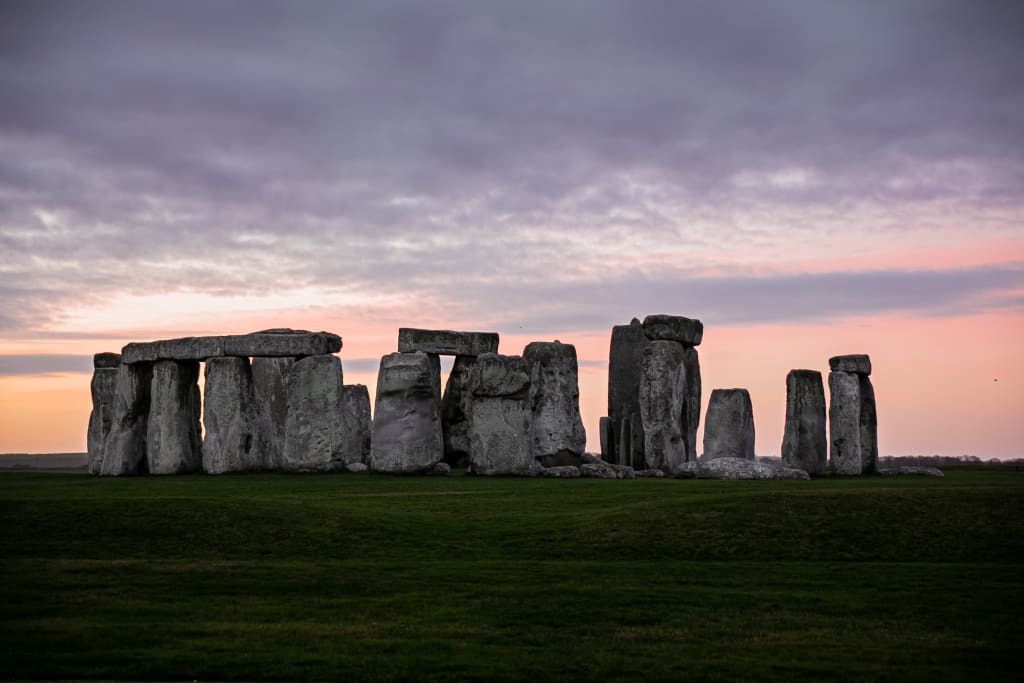
Throughout history, humanity has left behind remarkable traces of its existence in the form of ancient roads and enigmatic statues. From the iconic Easter Island Moai to the mystical Stonehenge, these structures continue to captivate our imagination and raise countless questions about their origins, purpose, and construction techniques. This article delves into some of the world's most intriguing ancient roads and statues, shedding light on the extraordinary engineering and lost cultures of the past.
The Enigmatic Moai of Easter Island
The Easter Island giant heads, known as Moai, have fascinated researchers and tourists alike for centuries. These enigmatic statues, each consisting of a large yellow body, a red top knot, and white inset eyes with coral irises, have puzzled historians due to their mysterious purpose. While the exact meaning of the Moai remains elusive, researchers have made significant strides in understanding how these colossal figures were built and transported to their permanent locations.
Most of the Moai statues were carved from volcanic tuff sourced from a local quarry, which was relatively easy to carve but challenging to transport. Evidence suggests that the statues were first carved lying on their backs, then detached from the rock and moved down slopes to be set in a vertical position for finishing touches. Various techniques for transporting the statues have been proposed, including the use of sleds and ropes, but the true method remains a subject of debate among researchers.
Unraveling the Secrets of Stonehenge
Stonehenge, a Neolithic monument in Southern England, stands as one of the world's most iconic and enduring mysteries. Consisting of roughly 100 standing stones arranged in a circular pattern, its purpose has puzzled researchers for centuries. While its exact function remains uncertain, recent discoveries have shed new light on the ancient road leading up to the monument and the possibility of it once forming a complete circle.
Archaeologists have unearthed a parallel ditch system connected to the ancient pathway leading to Stonehenge, suggesting that the monument served as a site for ceremonies and gatherings. Additionally, dry patch marks found within the stone circle imply that Stonehenge may have once been a full circle. These revelations bring us one step closer to understanding the purpose and significance of this ancient marvel.
Roman Roads: Masterpieces of Engineering
The Romans were renowned for their engineering prowess, and their roads stand as a testament to their expertise. Recent discoveries have uncovered a submerged Roman road in the Venetian Lagoon, indicating the Romans' mastery of building on challenging terrains. The presence of this well-preserved road supports the theory of an ancient settlement predating the founding of Venice.
Another example of Roman road engineering can be found in Jerusalem, where archaeologists discovered a luxurious road built during the time of Pontius Pilate's rule as the Roman governor of Judea. This broad and extravagant road likely served as a vital route for pilgrims to access the Temple Mount, showcasing the Roman influence and desire to gain favor among the local population.
Frozen in Time: The Maya Village of Joya de Cerén
Joya de Cerén, an ancient Maya village preserved by volcanic ash, provides an invaluable glimpse into the daily lives of its inhabitants over 1,400 years ago. The site was likely abandoned in a hurry when a nearby volcano erupted, leaving behind half-eaten food on tables and personal belongings. This unique snapshot of ancient Maya culture showcases their advanced engineering, such as the raised road called Sacbe, made of volcanic ash.
Conclusion
The world's ancient roads and statues continue to intrigue us, offering tantalizing clues about the past while leaving many questions unanswered. Through ongoing research and exploration, we can piece together the stories of these remarkable structures, gaining insight into the ingenious engineering and lost cultures that shaped our world. As we uncover more secrets of the past, these enigmatic monuments remain timeless symbols of humanity's ingenuity and enduring curiosity.
About the Creator
Keep reading
More stories from Arvils Sarkans and writers in Earth and other communities.
The Dukan Diet: A Comprehensive Guide to Sustainable Weight Loss
Introduction In the world of weight loss and dieting, the Dukan Diet has emerged as a popular and effective approach for shedding excess pounds. Developed by Dr. Pierre Dukan, a French nutritionist, the Dukan Diet is a protein-based, low-carbohydrate eating plan that has gained widespread attention due to its simple rules and impressive results. With its four phases, the Dukan Diet promises long-term weight management and improved overall health. In this article, we will explore the principles, benefits, and potential drawbacks of the Dukan Diet.
By Arvils Sarkans3 years ago in Education


Comments
There are no comments for this story
Be the first to respond and start the conversation.