
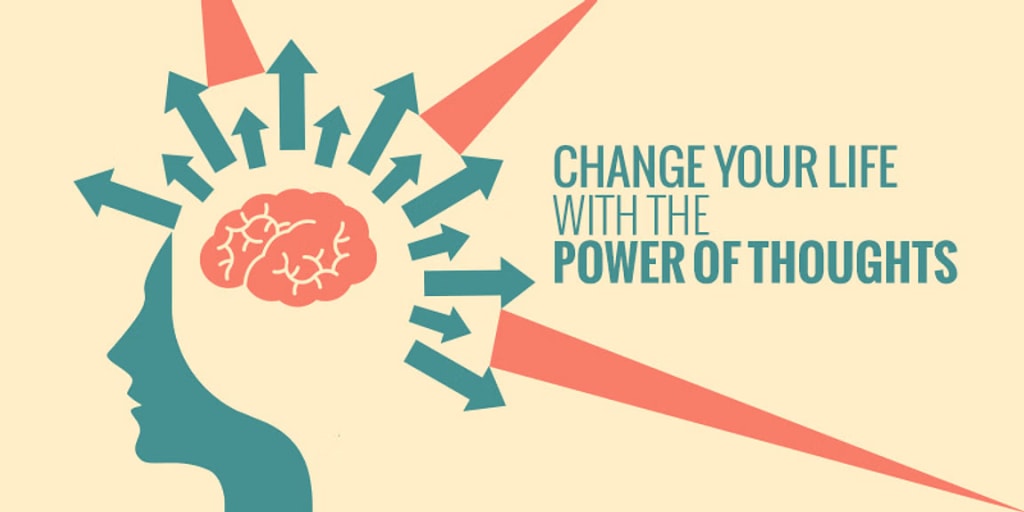
Have you ever observed the correlation between your thoughts and your emotions and actions? The manner in which we perceive a situation has a profound impact on our psychological state and conduct. This phenomenon is not a mere coincidence, but rather a potent aspect of human psychology that shapes our experiences and ultimately determines our outcomes.
Recently, I had the privilege of meeting with my long-standing friend and a member of my chosen family, David Farrar, who is a seasoned psychologist and an expert in the field of psychology. During our lunch meeting, we discussed my ongoing struggle with the imposter syndrome. David helped me gain a better understanding of the interconnection between thoughts, actions, and emotions, and how this comprehension can lead to a more contented and fulfilling life. I found our conversation to be highly informative and enlightening, and I felt compelled to share it with my LinkedIn connections.
In this video, my aim is to explore the impact of our thought processes on our emotional state and how our thoughts and emotions drive our behavior and choices, ultimately shaping the trajectory of our lives.
Before delving into the topic, it is crucial to comprehend that our minds function as a powerful control center, generating thoughts incessantly throughout the day. These thoughts can be positive, negative, or neutral, and they significantly influence our emotional state. For instance, reminiscing about a pleasant memory can evoke feelings of joy or contentment, while dwelling on a past failure can lead to feelings of sadness or frustration. Understanding this connection between thoughts and emotions is the first step in comprehending how our minds influence our overall well-being.
The concept of the Power of Positive Thinking pertains to the practice of directing one's attention towards optimistic thoughts and anticipating favorable results. By adopting a positive mindset, the brain releases neurotransmitters such as dopamine and endorphins, which elevate one's mood and alleviate stress. Consequently, individuals experience heightened levels of motivation, energy, and resilience. Furthermore, this optimistic outlook can impact how others perceive and interact with an individual, resulting in the formation of stronger relationships and opportunities.
The Pitfalls of Negative Thinking
Conversely, negative thoughts can have adverse impacts on one's emotional welfare. When one persistently dwells on problems, fears, or self-doubt, the brain releases stress hormones such as cortisol, which can trigger anxiety and even depression. This pessimistic outlook can result in a downward spiral, impeding one's motivation, confidence, and overall quality of life. It is imperative to acknowledge and confront negative thoughts to break free from this destructive cycle.
The Influence of Visualization
The human mind possesses remarkable capabilities, enabling it to mold our perception of reality through the practice of visualization. When one engages in the vivid imagination of attaining a desired objective or living a life of their dreams, the brain triggers comparable neural pathways as if the experience were occurring in actuality. This phenomenon fortifies one's self-confidence and aptitude, thereby heightening the probability of transforming aspirations into tangible achievements. The act of visualizing triumph can amplify one's motivation, resilience, and overall efficacy.
It is imperative to comprehend that our thought processes not only impact our emotions and conduct but also exert a significant influence on our physical well-being. Pessimistic thoughts and persistent stress can debilitate the immune system, rendering an individual more vulnerable to illnesses. Conversely, a constructive outlook can enhance immune function, safeguard the heart, and foster holistic wellness. It is crucial to accord equal importance to the maintenance of mental and physical health.
Recognizing the profound influence that thoughts exert on our lives, it becomes imperative to deliberately opt for empowering and constructive thoughts. This does not entail disregarding challenges or negative emotions, but rather adopting a growth mindset when confronting them. By reinterpreting setbacks as valuable learning experiences and directing our attention towards finding solutions, we can cultivate resilience and convert adversities into catalysts for achieving success.
In conclusion, the manner in which we perceive something holds significant influence over every aspect of our lives. Our thoughts possess the ability to impact our emotions, subsequently influencing our actions and decisions. By cultivating a positive mindset, challenging negative thoughts, and harnessing the power of visualization, we can assert control over our lives and forge a more gratifying future. If, like myself, you occasionally experience impostor syndrome, it is crucial to remember that you possess the capability to shape your reality through the thoughts you choose to foster. Embrace the potency of positive thinking and observe the transformative effects it has on your life.
About the Creator
Keep reading
More stories from writers in Confessions and other communities.
Word of the Day: ホチキス
I don't know the word for Staples. I remember I used to think that Hochikisu was an Onomatopoeia for a stapler rather than a brand name. I am pretty sure I already have this title as a theme, which is making me feel many sort of ways as Vocal is harassing me about payments currently.
By Kayla McIntosh29 days ago in Confessions
UAE Abruptly Cuts Aid to Vital Hospitals After Withdrawing From Yemen
The United Arab Emirates’ abrupt decision to cut aid to several vital hospitals in Yemen following its withdrawal from the country has sparked serious concern among humanitarian groups, medical workers, and international observers. The move comes at a time when Yemen’s healthcare system—already weakened by nearly a decade of conflict—remains heavily dependent on external assistance to function. For many Yemenis, the loss of Emirati-funded medical support could have immediate and life-threatening consequences.
By Salaar Jamalia day ago in Confessions
The Path to Salvation
The late autumn evening air filled the monk's lungs, but it wasn't the season that chilled his bones. The heavy-handed presence of evil he had sensed upon entering the woods surrounding this mountain village had not bothered to conceal itself from him.
By Made in DNA4 days ago in Fiction




Comments
There are no comments for this story
Be the first to respond and start the conversation.