
The Evolution and Importance of Chairs in Human Life
The Historical Journey of Chairs The history of chairs dates back thousands of years, with early examples found in ancient civilizations such as Egypt, Mesopotamia, and China. In these societies, chairs were often symbols of power and authority, reserved for royalty, religious leaders, and the elite. The earliest chairs were simple stools made from stone or wood, but over time, they became more elaborate, incorporating intricate carvings, precious materials, and decorative elements.

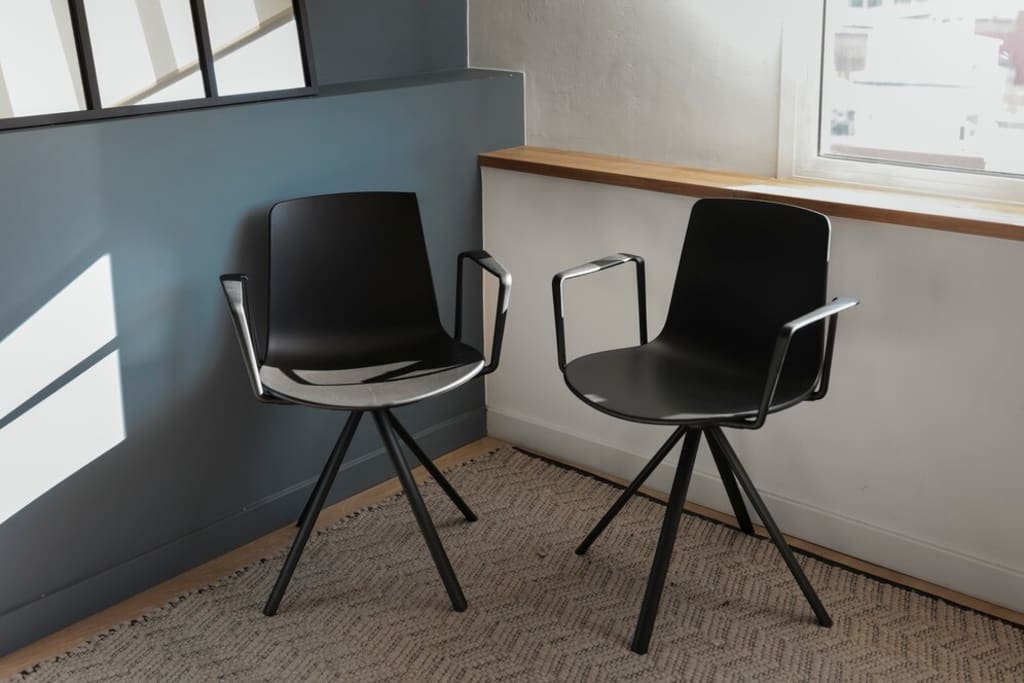
Chairs are one of the most ubiquitous and essential pieces of furniture in our daily lives. From the moment we wake up and sit at the breakfast table to the hours we spend working at our desks, chairs play a vital role in providing comfort, support, and functionality. Despite their simplicity, chairs have a rich history and have evolved significantly over time, reflecting changes in culture, technology, and design. This article explores the evolution of chairs, their cultural significance, and their impact on modern life.
The Historical Journey of Chairs
The history of chairs dates back thousands of years, with early examples found in ancient civilizations such as Egypt, Mesopotamia, and China. In these societies, chairs were often symbols of power and authority, reserved for royalty, religious leaders, and the elite. The earliest chairs were simple stools made from stone or wood, but over time, they became more elaborate, incorporating intricate carvings, precious materials, and decorative elements.
During the Middle Ages, chairs remained a luxury item, often associated with thrones and high-status individuals. It wasn’t until the Renaissance that chairs began to become more accessible to the general population. The invention of new tools and techniques allowed for the mass production of furniture, making chairs more affordable and widespread. By the 18th and 19th centuries, chairs had become a common household item, with designs ranging from the ornate Rococo style to the functional and minimalist designs of the Industrial Revolution.
The Cultural Significance of Chairs
Chairs have always held cultural significance beyond their practical use. In many societies, the design and placement of chairs reflect social hierarchies and traditions. For example, in traditional Japanese culture, floor seating such as tatami mats was more common, reflecting a preference for low furniture and a connection to the ground. In contrast, European cultures favored elevated seating, which symbolized status and authority.
Chairs have also played a role in art and literature, often serving as metaphors or symbols. Vincent van Gogh’s famous painting The Chair depicts a simple wooden chair, yet it conveys a sense of loneliness and introspection. Similarly, in literature, chairs are often used to represent power dynamics, as seen in the phrase “the seat of power.” The way chairs are designed and used can reveal much about the values and priorities of a society.
The Impact of Chairs on Modern Life
In today’s world, chairs are more than just functional objects; they are integral to our health, productivity, and well-being. With the rise of desk jobs and sedentary lifestyles, the design of chairs has become increasingly important. Ergonomics, the science of designing furniture to support the human body, has revolutionized the way chairs are made. Modern office chairs, for instance, are designed to promote good posture, reduce strain on the back and neck, and enhance comfort during long hours of work.
The importance of chairs extends beyond the workplace. In homes, chairs are central to social interactions, whether it’s gathering around the dining table or relaxing in the living room. The design of chairs can influence the atmosphere of a space, from the cozy appeal of an armchair to the sleek elegance of a modern dining chair. Additionally, chairs are often used in public spaces such as parks, airports, and theaters, where they provide a place for people to rest and connect with their surroundings.
The Future of Chair Design
As technology and materials continue to advance, the future of chair design looks promising. Sustainable materials such as bamboo, recycled plastic, and biodegradable fabrics are becoming more popular, reflecting a growing awareness of environmental issues. Smart chairs equipped with sensors and adjustable features are also emerging, offering personalized comfort and support.
Moreover, the concept of chairs is evolving to meet the needs of a changing world. With the rise of remote work and flexible lifestyles, portable and multifunctional chairs are gaining popularity. Designs that prioritize space-saving and adaptability are becoming increasingly important, especially in urban environments where space is limited.
Conclusion
Chairs may seem like simple objects, but their impact on human life is profound. From their historical roots as symbols of power to their modern role in promoting health and comfort, chairs have shaped the way we live, work, and interact with one another. As design and technology continue to evolve, chairs will undoubtedly remain a central part of our lives, adapting to meet the needs of future generations. Whether in a home, office, or public space, the humble chair will continue to provide us with a place to sit, rest, and connect with the world around us.
About the Creator
JamesWilliam
A wannabe storyteller from London. Sometimes words spill out of me and the only way to mop the spillage is to write them down.
Keep reading
More stories from JamesWilliam and writers in Confessions and other communities.
The Timeless Appeal of White Kitchen Cabinets
White kitchen cabinets have long been a staple in home design, celebrated for their versatility, timelessness, and ability to transform any space. Whether in a modern apartment, a rustic farmhouse, or a traditional home, white cabinets bring a sense of cleanliness, brightness, and sophistication to the kitchen. This article delves into the reasons behind the enduring popularity of white kitchen cabinets, their benefits, design considerations, and tips for maintaining their pristine appearance.
By JamesWilliam11 months ago in 01
Thoughts on Vocal and the way the world is
"Death cannot stop true love, only delay it." – Wesley in The Princess Bride. I decided to come back to Vocal on a very cold and dark night at the end of December. I had been, and still am, convalescing from a horrible staph infection that had gone misdiagnosed for months. This, paired with the increasing challenges of being healthy, making the best choices for my co-parented child, being a wife, and being a director at a new job, was a lot to manage.
By Jazzy 6 days ago in Confessions
Watching the Clock
Today was the last day of this terrible weekend. My kids would (hopefully) be returned tonight. I know that it seems to concern people by my use of the word hopefully, but here is the deal: my ex and I have a custody order. It has a list of rules that we jointly agreed to follow. One of those rules is regarding parenting time and exchange times. But, another one of those rules is regarding safety needs that we agreed to follow in the best interests of our disabled son. Those safety needs are not getting followed. Why not? I don't have a good reason. I have offered to help purchase the needed items. I have offered to help find grants or other ways to pay for said items. I have asked why the safety needs that we agreed upon are not being utilized.
By The Schizophrenic Mom4 days ago in Confessions



Comments
There are no comments for this story
Be the first to respond and start the conversation.