
Raised by Warnings
What it means to grow up in fear—and how we learn to live beyond the tape.

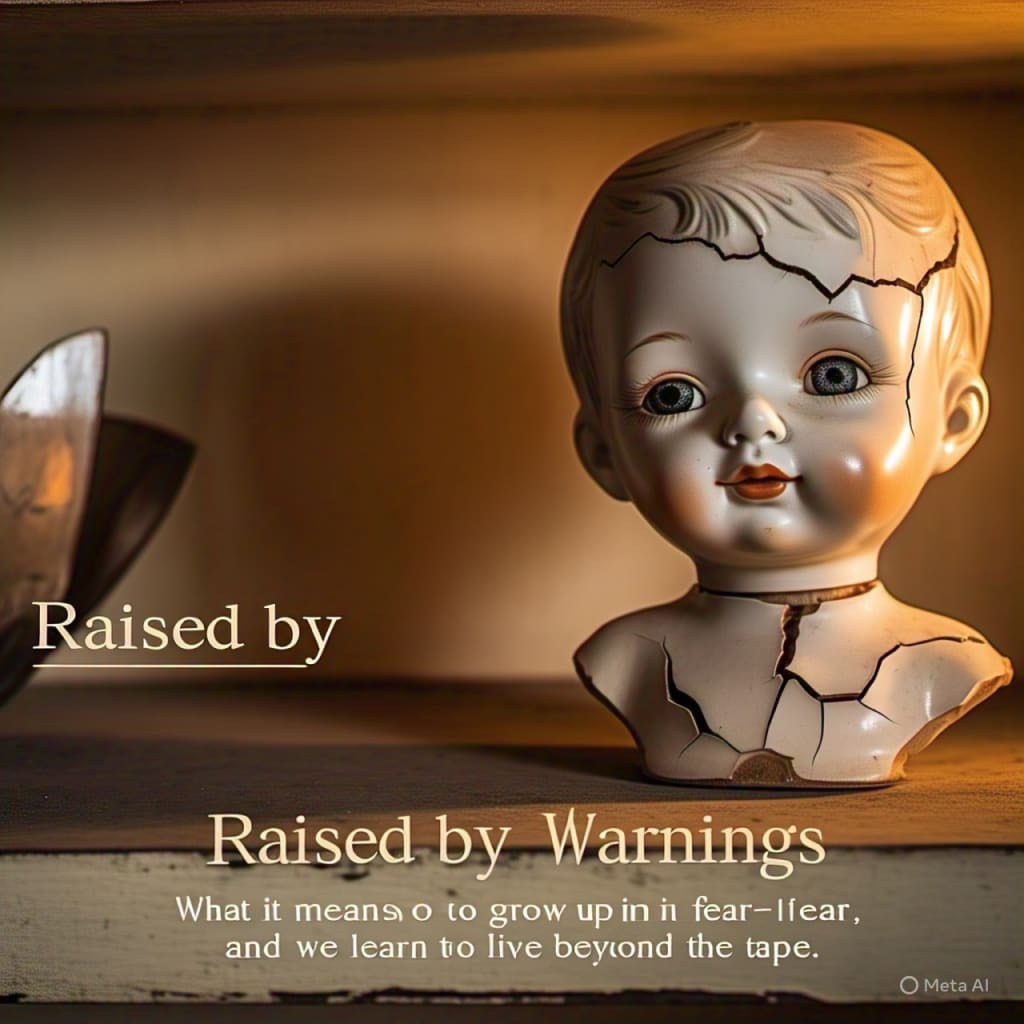
I was raised with love—but also with warnings.
Be careful. Don’t say that. Watch your tone. You’re going to make someone angry.
Like invisible tripwires, the cautions lined the hallways of my childhood. They taught me how to be safe—but not how to be free.
I didn’t grow up in a war zone, or a place ravaged by violence. My danger was quieter, subtler. It came wrapped in expectations and tension. My parents weren’t villains. They were human—shaped by their own generations of fear. But what I absorbed was the belief that the world was always just one wrong word away from collapse.

The metaphor hit me years later, as I stood in a playground with my niece. She let go of a red balloon, and it drifted up, bright against the grey sky. I instinctively reached for it, even though she was laughing. And that was the moment I realized how much I’d learned to fear freedom.
The Internalized “Danger” of Expression
When you're raised by warnings, even your emotions come with disclaimers.
You’re not just sad—you’re “being dramatic.”
You’re not angry—you’re “disrespectful.”
You’re not confused—you’re “talking back.”
You learn that expressing yourself is risky. So, you shrink. You master the art of reading the room. You flinch at raised voices—even if they're not directed at you. You hold your breath when people disagree. You learn to edit yourself before you speak, and sometimes before you even think.
By the time you reach adulthood, you're fluent in apology. You say "sorry" when someone bumps into you. You say “it’s okay” even when it’s not. You learn to take up less space, as if your voice is a threat.

Caution Tape Isn't a Boundary—It's a Wall
Many of us confuse caution with safety. But constant warnings don’t teach us how to be careful—they teach us how to be afraid.
There’s a difference between a boundary and a barrier. Healthy boundaries protect us. But fear-built barriers isolate us. And when your childhood is ringed with caution tape, you begin to live as though joy itself is a hazard.
This shows up in relationships—where love feels suspicious, or kindness feels like a setup. It shows up at work—where we downplay achievements and over-apologize. It shows up in art—where we hesitate to create for fear it won’t be good enough.
We begin to think that risk itself is bad. That emotion is unsafe. That trying is embarrassing. That being seen is dangerous.
Rewriting the Warning Signs
Unlearning fear isn’t about ignoring it. It’s about learning to distinguish real danger from inherited trauma.
This takes time. Years, even.
But it begins with small acts of rebellion against fear:
Saying no without an explanation.
Letting yourself cry without shame.
Writing something messy and hitting “post” anyway.
Disagreeing—gently, but firmly.
Laughing loudly even when people stare.
Each of these moments is like snipping a piece of caution tape. And with each snip, the space around you becomes wider. Brighter. Yours.

You’re Allowed to Take Up Space
If you grew up like I did—raised by warnings—you may feel like you’re too sensitive, too much, too everything. But sensitivity is a form of intelligence. Awareness is not a flaw. And the very traits you were taught to fear may actually be your superpowers.
Empathy. Intuition. Deep listening.
These aren't liabilities. They're light.
And just like that red balloon floating against the grey sky, you are allowed to rise.
You're allowed to feel deeply, speak boldly, and mess up sometimes without fear of collapse. You’re allowed to play, to rest, to exist without editing yourself into perfection.
Most importantly, you're allowed to walk through the tape.
Not because the world is always safe—but because you are strong enough to live in it anyway.
---
Final Thought
You were raised by warnings.
But you do not have to live inside them.
Step beyond the caution tape.
There’s so much more waiting on the other side.
About the Creator
M.SUDAIS
Storyteller of growth and positivity 🌟 | Sharing small actions that spark big transformations. From Friday blessings to daily habits, I write to uplift and ignite your journey. Join me for weekly inspiration!”
Keep reading
More stories from M.SUDAIS and writers in Confessions and other communities.
I Confessed My Darkest Secret—And It Changed Everything
For years, a heavy burden weighed on my conscience. It was a secret so deep, I thought sharing it was impossible. This dark truth impacted my life in many ways, affecting my relationships and work. Deciding to share this secret was hard. But it changed everything for the better. When I finally shared my confession story, I got unexpected support. This taught me the power of being open and honest. Sharing my darkest secret brought me freedom and a new start. Key Takeaways Sharing a personal secret can be a transformative experience. Vulnerability can lead to unexpected support and understanding. Confronting the past can bring a sense of liberation. A true confession can change one's life for the better. Embracing honesty can lead to personal growth. The Weight of Silence Keeping a secret can be very hard. It can make you feel emotionally drained and even sick. It changes who you really are. Living Behind a Mask Every day, you pretend to be someone else. You hide your real feelings and thoughts. It's like wearing a mask all the time. The Daily Performance This pretending is exhausting. It's like being on stage without a break. You always have to keep up the act. Emotional Exhaustion Keeping secrets can make you feel very alone. You can't share your true self with anyone. It's a heavy burden. The Physical Toll of Secrecy Secrecy can also hurt your body. It can cause stress-related problems like headaches and stomach issues. Stress-Related Symptoms These symptoms can be severe. They show how your body reacts to the stress of keeping secrets. The Mind-Body Connection There's a strong connection between your mind and body. Keeping secrets can weaken your immune system and cause other health problems. Effects of SecrecyEmotionalPhysicalShort-termAnxiety, StressHeadaches, FatigueLong-termDepression, IsolationWeakened Immune System, Chronic Pain In conclusion, keeping secrets can harm your mental and physical health. It's important to understand these effects to avoid the negative impacts. Why We Keep Secrets Keeping secrets is a natural part of being human. It's driven by many reasons and feelings. Knowing why we keep secrets helps us understand ourselves and our relationships better. The Psychology of Secret-Keeping Secrets are often kept to deal with the world around us. We do it to avoid judgment and to protect ourselves or others. Fear of Judgment The fear of being judged or rejected is a big reason for keeping secrets. This fear comes from many places, like society, personal experiences, or worries about what others might think. Protecting Others vs. Protecting Ourselves Secrets can be kept to shield others from pain or to hide our own actions. Sharing the truth can change how we connect with others. When Protection Becomes Prison At first, secrets might seem like a safe choice. But, they can become a heavy burden that isolates us. Keeping secrets can harm our mental and emotional health. Recognizing the Breaking Point Hearing someone's story can show us when secrets become too much to bear. Reasons for Secret-KeepingConsequencesBreaking PointFear of JudgmentIsolation, AnxietyLoss of TrustProtecting OthersEmotional DistressFeeling TrappedProtecting OurselvesMental Health IssuesSevere Stress My True Confession Story Begins It was a moment of clarity that led me to share my story with the world. The journey was tough, but it was needed. Looking back, sharing my dark secret was a major turning point in my life. The Moment of Decision Deciding to confess was a big deal. It came after a series of events and realizations. This led to the tipping point. The Tipping Point A specific incident showed me that hiding my secret was hurting more than helping. As "The truth will set you free," I was ready to find my freedom. No Turning Back After making the decision, there was no turning back. I had to face the consequences, both good and bad. Preparing for the Unknown Preparing for what came after was scary. I thought about all the possible outcomes, from the worst to the best. Worst-Case Scenarios I worried about how my relationships would change and how people would react. It was a tough and humbling time. Hope Against Hope Despite my fears, I hoped that confessing would lead to a positive change. I dreamed of a future where I could be myself, free from my secret. As I moved forward, I knew the road ahead would be hard. But it was a step towards healing and growth. My confession story was about revealing my true self and finding the courage to be open. Finding the Courage to Speak Sharing a deep, hidden truth takes more than wanting to be honest. It takes courage. For me, the journey to share my true confession began with building a support system and rehearsing the unspeakable. Building a Support System A support system is key when you're ready to share a personal testimonial. It's about having people around who can offer emotional support and guidance. Identifying Safe People Finding safe individuals who can keep your secret and offer a non-judgmental space is crucial. These people will help you find the courage to share your story. Testing the Waters After finding potential supporters, testing the waters is a good step. Share smaller, less sensitive information to see how they react and build your confidence. Rehearsing the Unspeakable Rehearsing your confession can make it less scary. It's about finding the right words and practicing being vulnerable. Finding the Right Words It's important to share your hidden truth uncovered clearly and honestly. But also think about your audience. You might write down your thoughts or practice speaking them aloud. Practicing Vulnerability Practicing vulnerability means being open and honest about your feelings and fears. This helps you get used to the idea of sharing your true confession. The Day Everything Changed Sharing my deepest secret was a turning point I'll always remember. It started a new chapter in my life, where I vowed to be true to myself. Setting the Scene Finding the perfect time and place for this revealing disclosure was key. I aimed for a setting that would foster a real and heartfelt talk. Choosing the Right Moment I thought a lot about when to share this secret. I weighed the timing and the emotional readiness of both myself and the person I was sharing with. The Environment of Truth I picked a quiet, private spot for our talk. It was crucial to have a place free from distractions, where trust and openness could thrive. The Words That Couldn't Be Taken Back Confessing was both thrilling and scary. I knew saying those words meant there was no turning back. The Actual Confession I took a deep breath and shared my secret, aiming for honesty. It was a real life moment, full of raw emotion. The Immediate Silence The silence that followed was overwhelming. It felt like time had stopped, with only my words hanging in the air. This silence showed the weight of what I had shared. It marked a turning point, changing everything that followed. "The truth will set you free, but first, it will make you miserable." This quote resonates deeply with me as I reflect on the day everything changed. Despite the fear, confessing was a step towards healing and change. It was the start of a journey towards a more genuine life. Immediate Aftermath: The Shock Waves When I shared my story, I got a mix of reactions. They left me stunned and made me think deeply. My darkest secret was just the start of a complex journey. First Reactions The first reactions to my confession were strong and varied. Some people were supportive, offering words of encouragement and solidarity. Unexpected Responses But then, some responses surprised me. People with their own stories shared them, creating a sense of community and understanding. This was something I hadn't expected. Processing the Initial Impact It took time to get used to the impact of my confession. I had to adjust to new dynamics in my relationships and grow personally. The 48-Hour Fallout The 48 hours after my confession were tough. They were filled with secondary conversations and an emotional rollercoaster. Yet, it was a time of significant growth. Secondary Conversations As people talked about my revelation, deeper connections formed. These conversations helped us understand the complexities better. The Emotional Rollercoaster The emotions were intense, swinging from relief to anxiety. Dealing with these feelings was key to grasping the full impact of my confession. The journey after revealing my dark secret was tough. But it was a crucial step towards healing and growth. When Dark Secrets Are Revealed When a deep, dark secret is revealed, it can change many areas of life. Sharing a true confession or personal testimonial can alter personal and professional relationships. The Ripple Effect on Relationships Revealing a hidden truth can deeply affect relationships. Some people may support the person who confessed, while others may pull away. Those Who Stayed Those who stay can be very important in healing. Their loyalty and understanding help during tough times. Those Who Left Those who leave might feel betrayed or uncomfortable. This can be hard to deal with, but it's a chance to rethink the relationship. Unexpected Allies and Adversaries Revealing a dark secret can lead to unexpected reactions. Some people may surprise you with their support, while others may oppose you. Surprising Support In some cases, you might get support from people you least expect. This can be a big comfort during hard times. Dealing with Rejection Dealing with rejection can be tough. It's important to find ways to cope with such situations. Relationship TypeReaction to True ConfessionOutcomeClose FriendsSupportiveStronger BondFamily MembersMixed ReactionsRe-evaluation of RelationshipsColleaguesProfessional DistanceMaintained Professionalism Revealing a dark secret can lead to different outcomes. It's a tough experience, but it also offers a chance for growth and renewal. The Healing Process Begins The journey to healing starts with revealing our deepest secrets. This journey is both freeing and tough. It forces us to face the issues we kept hidden. Finding Professional Support Getting professional help is key to healing. This might include therapy and counseling, designed just for you. Therapy and Counseling Therapy is a safe place to look at why we kept secrets and how they affected us. A therapist can guide and support you through this. Therapy offers many benefits: It helps find patterns and triggers It teaches ways to cope It boosts mental health and happiness Support Groups and Communities Being part of a support group can feel like finding a community. Sharing stories with others who understand can be very empowering. "The power of sharing one's story is not just in the act itself, but in the connections that form as a result." Creating a New Normal After revealing secrets, making a new normal is crucial. This means rebuilding trust and setting boundaries to protect yourself. Rebuilding Trust Building trust back takes time and effort from everyone. It's a slow process that needs open and honest communication. Establishing Boundaries Setting clear boundaries is essential for your emotional and mental health. It helps avoid similar problems in the future. Boundary TypeDescriptionBenefitEmotionalLimiting emotional investmentPrevents emotional exhaustionPhysicalDefining personal spaceEnhances sense of securityDigitalControlling online presenceReduces stress related to digital footprint One Year Later: Transformation One year has passed, and my confession's impact is still growing. It has changed my life into a more authentic narrative. The path has been tough, but it has changed me deeply. What Changed for the Better Sharing my confession story started a healing journey. It brought many positive changes into my life. Authentic Relationships Sharing my dark secret has brought me closer to others. This has created a strong community and understanding. Internal Peace I've found a deep peace inside. The weight of secrets is gone, replaced by freedom. Lingering Challenges Even with progress, challenges still exist. Persistent Misconceptions Some people still don't get my story. This shows we need patience and understanding. The Scars That Remain Scars remind me of my journey. They show my resilience and growth. Looking back, my journey is ongoing. There have been big steps forward, but challenges remain. Conclusion: The Freedom in Truth Sharing a true confession can change your life, as it did mine. It reveals who you really are. This can lead to growth and healing. It's not simple to share a secret, but it's worth it. When you tell the truth, you can finally be free. You can live without the secret weighing you down. My experience shows that honesty is freeing. My story proves that being open about yourself can make life more rewarding. It's a path to a life without the weight of secrets. FAQ What inspired the decision to share a dark secret? Sharing a dark secret often comes from wanting to be real. It's a way to ease the weight of keeping secrets. How does keeping secrets affect mental and physical health? Secrets can cause emotional exhaustion and stress. They can also harm your physical health because of how your mind and body are connected. Why do people keep secrets, and when does it become a problem? Secrets are kept for many reasons, like fear of being judged. It becomes a problem when keeping secrets becomes too much to handle. How can one prepare for the potential consequences of revealing a dark secret? Preparing means thinking about the worst that could happen. It's also about finding people to support you and practicing your confession to gain courage. What role does a support system play in the process of confessing a dark secret? A support system is key. It offers a safe place to share your secret without fear of judgment, helping you find the courage to confess. How do relationships change after a dark secret is revealed? Revealing a secret can change relationships in many ways. Some people might surprise you with their support, while others might reject you. What is the healing process like after confessing a dark secret? Healing starts with seeking help from professionals like therapists. It also means rebuilding trust and setting new boundaries. Can confessing a dark secret lead to personal growth and transformation? Yes, sharing a secret can lead to personal growth. It can help you build real relationships and find peace, but it also comes with challenges. How can one deal with the aftermath of a confession, including rejection or persistent misconceptions? Dealing with the aftermath means facing the initial shock and dealing with ongoing conversations. It's about managing your emotions and starting to rebuild your life. .
By M.SUDAIS 10 months ago in Confessions
I was in a Toxic Relationship, with my Workplace
“You got that?” My ex yelled. His hands were balled into fists at his side. At six foot three, he towered over me. A normal person would have been afraid, but I looked up a video of George Lopez repeatedly saying, “I got this,” and showed it to him. I had grown used to this treatment, so much so that I didn’t blink when he ripped the phone from my hand and threw it across the room.
By Jade M.4 days ago in Confessions



Comments
There are no comments for this story
Be the first to respond and start the conversation.