
Prince William’s Quiet Confession: How He’s Redefining the Monarchy From Within
He’s not waiting for the crown to change him — he’s already changing what the crown means. Category: Confessions

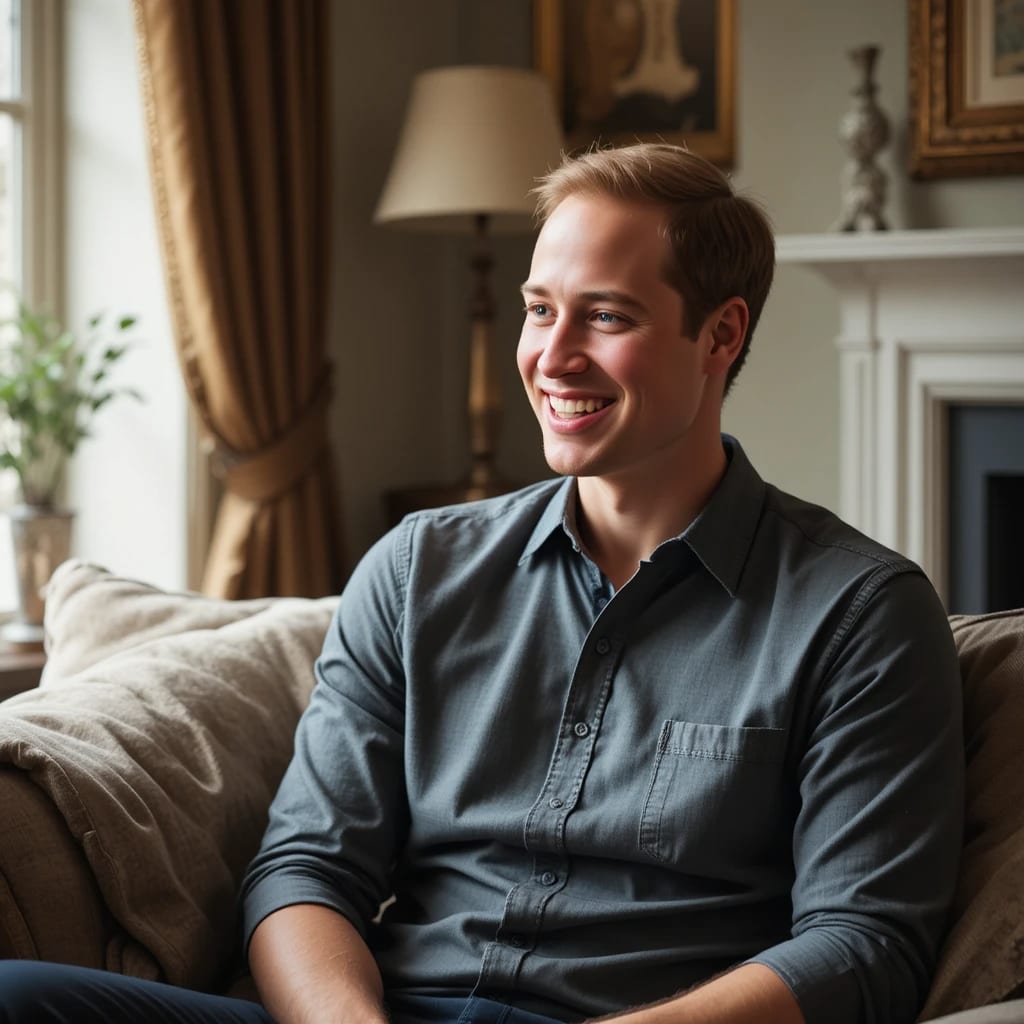
Prince William has made a quiet but powerful confession — one that marks a turning point in the royal story. It wasn’t whispered behind palace doors or filtered through an official statement. It happened in plain sight, during a relaxed chat with actor Eugene Levy, the kind of meeting that once would have been unthinkable for a future king.
Gone are the days of scripted interviews, watchful courtiers, and cautious smiles. This time, William sat in his own home, talked openly about family stress, and laughed in ways that felt genuinely human. For the first time in decades, a royal spoke not as a symbol, but as a person — and that may be his most radical act yet.
His admission that “family life is stressful” carried the weight of honesty. It’s a small confession, but from a man raised in palaces and royal routines, it sounded revolutionary. The world has always been told that royals are polished, perfect, and protected. But William’s openness peeled back that illusion and allowed people to see something different — a husband, a father, a man who understands the pressures of ordinary life.
This isn’t just a shift in tone. It’s a shift in purpose. William seems determined to shape a monarchy that breathes. His projects on homelessness, mental health, and environmental sustainability have already signaled that he wants to connect the institution to the issues that truly matter. Now, by choosing to share more of himself, he’s proving that authenticity can coexist with duty.
What’s striking is that this transformation doesn’t rely on rebellion. William isn’t walking away from tradition — he’s reinterpreting it. His meeting with Eugene Levy wasn’t about chasing fame or mimicking Hollywood glamour. It was about bridging two worlds: the cultural reach of entertainment and the symbolic power of monarchy. He isn’t trying to be a celebrity. He’s showing that royalty can be relatable without losing dignity.
This subtle evolution stands in sharp contrast to Prince Harry and Meghan Markle’s approach. When they left the royal fold to build their own media empire, many saw it as a declaration of independence. But years later, the results feel uncertain. Hollywood is fickle, and fame is temporary. William, on the other hand, has discovered a path that merges tradition and relevance seamlessly — from within.
He doesn’t need to fight for credibility; he already has it. And he’s using it wisely. By being candid, by laughing with a comedian instead of lecturing from a podium, William has done what the monarchy has struggled to do for generations: feel human.
His partnership with Catherine, Princess of Wales, strengthens that message. Catherine may not share her thoughts on podcasts or interviews, but her quiet elegance says enough. She walks into crowded events with poise, listens intently to strangers, and balances grace with authenticity. Together, they embody a kind of modern royalty that feels steady yet approachable — two people grounded in service, not spectacle.
Behind palace gates, insiders describe William as direct, curious, and unafraid to challenge tradition. He questions why things are done a certain way, especially when “because that’s how it’s always been done” is the only answer. He’s taking the Duchy of Cornwall, long managed like a historical asset, and turning it into a modern institution focused on real social impact.
In doing so, he’s not just preparing to inherit the throne — he’s redesigning it.
His confession about stress was more than a passing comment. It was a signal. A signal that the future king wants to be seen as human before being seen as royal. That vulnerability doesn’t weaken leadership — it strengthens it.
This openness challenges the old guard. For decades, the monarchy was built on distance — waving from balconies, speaking through official channels, and maintaining perfect composure. William is dismantling that wall, piece by piece, without destroying the foundation beneath it.
Of course, not everyone inside the palace will welcome these changes. There will be whispers of “too modern” and “too casual.” But the world outside those gates is responding differently. To younger generations, William’s humanity is exactly what makes him credible. In an age where authenticity matters more than ceremony, his willingness to be imperfect may be the monarchy’s greatest survival strategy.
Every laugh, every candid word, every unscripted moment tells the same story: the future of the crown doesn’t have to be cold. It can be warm, real, and quietly revolutionary.
Prince William isn’t confessing weakness. He’s confessing vision. He knows the power of symbolism — but he also knows that symbols only matter when they evolve.
This is not the confession of a man tired of tradition. It’s the confession of a man ready to transform it.
And in that honesty lies the beginning of a very different kind of reign — one that no longer hides behind the walls of Buckingham Palace, but opens the doors to let the world in
About the Creator
Keep reading
More stories from Norul Rahman and writers in Confessions and other communities.
The Fall of a Mogul: Diddy’s Sentencing and the Secrets That Could Shake Hollywood
For decades, Sean “Diddy” Combs was untouchable. His empire stretched from music studios to fashion lines, his influence shaping not just hip-hop but global pop culture. To his fans, he was a visionary — the man who turned rhythm and ambition into a billion-dollar identity. But when a federal judge in New York finally read his sentence aloud, the illusion of invincibility shattered.
By Norul Rahman5 months ago in Confessions
The Piggy Project
I’ve had so many names in this life I lose track of which ones were ever really mine and which ones I wore because someone needed me to. Some were handed to me before I had words to refuse them, before I knew what they meant, before I knew I could say no. Most weren’t meant to hurt. That doesn’t mean they didn’t leave marks. Marks that told me who I belong to, who I am by way of who claims me, recognizes me in the good and bad, who walks beside me.
By Fatal Serendipity7 days ago in Confessions
The Two Years Since I was expelled for Protesting the Palestinian Genocide
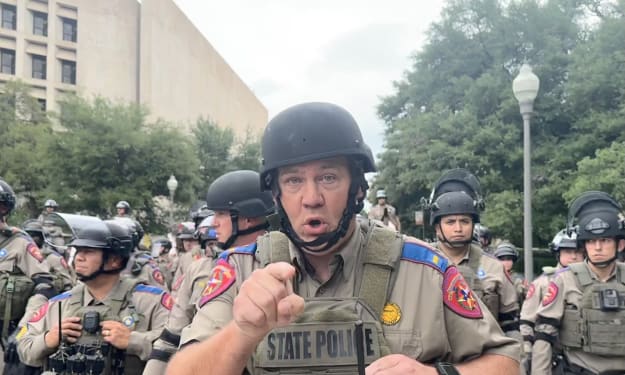
Ran into one of the women that was on the conduct board that kicked me out of UT. Didn't know how big the wound was til I felt it split open right then at that moment. I was in honors. I was a great sociologist. I was beloved by my professors. I wanted to be like them, get a doctorate and all that. I had something I love, I had a purpose
By Stanley Davis7 minutes ago in Confessions



Comments (1)
Well written and insightful