
MTG Warns Trump After Venezuela Strikes: ‘This Is What Many in MAGA Thought They Voted to End’
Growing Tensions Inside the MAGA Movement
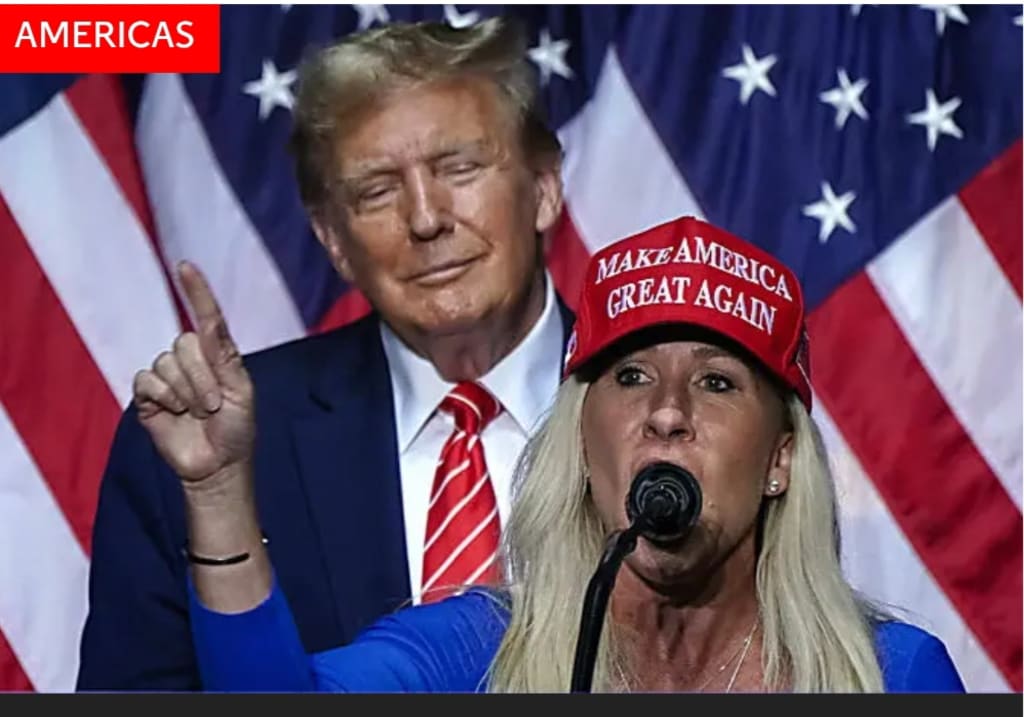
A sharp warning from Republican Congresswoman Marjorie Taylor Greene (MTG) has exposed growing divisions within former President Donald Trump’s political base following reports of U.S. strikes linked to Venezuela. Greene, a staunch Trump ally and prominent voice within the MAGA movement, publicly cautioned the former president, saying, “This is what many in MAGA thought they voted to end.”
Her remarks signal unease among Trump supporters who believe his “America First” agenda promised an end to foreign entanglements and overseas military interventions. The comments have reignited debate within conservative circles about U.S. foreign policy, military power, and what the MAGA movement truly stands for.
Background: US Actions Linked to Venezuela
Recent reports of U.S. military or covert actions connected to Venezuela have stirred controversy, particularly among isolationist-leaning conservatives. While official details remain limited, the developments are widely perceived as an escalation in Washington’s long-running confrontation with the Venezuelan government.
For years, Venezuela has been a focal point of U.S. sanctions, intelligence operations, and diplomatic pressure, especially under Trump’s presidency. However, Trump repeatedly criticized past administrations for engaging in what he called “endless wars,” portraying himself as a leader determined to keep America out of new conflicts.
The latest developments have therefore raised questions about whether U.S. actions align with those promises.
MTG’s Warning to Trump
Marjorie Taylor Greene’s statement stands out because of her consistent loyalty to Trump. Her warning was not framed as an attack but as a reflection of grassroots frustration within the MAGA base.
Greene emphasized that many Trump voters believed they were supporting a movement focused on domestic priorities—border security, economic nationalism, and reduced military involvement abroad. Any actions resembling foreign intervention, she warned, risk alienating supporters who feel betrayed by what they see as a return to traditional interventionist policies.
Her comments suggest that skepticism toward foreign military engagement is no longer limited to progressive or anti-war voices but is increasingly embedded within conservative populism.
A Shift in Conservative Foreign Policy Thinking
The MAGA movement has long been divided on foreign policy. While traditional Republicans favor a strong global military presence, many Trump-aligned voters support a restrained approach, opposing regime change and overseas conflicts.
Trump himself sent mixed signals during his presidency. While he avoided launching major new wars, he authorized targeted strikes and maintained pressure campaigns against countries like Iran and Venezuela. Supporters often defended these actions as necessary for national security, but critics argue they blurred the line between restraint and intervention.
MTG’s warning reflects a growing demand for ideological consistency—one that prioritizes domestic stability over foreign confrontation.
Reaction From Trump Allies and Critics
Reactions to Greene’s remarks have been sharply divided. Some conservatives praised her for voicing concerns shared by rank-and-file voters, calling her statement a necessary reminder of Trump’s original campaign promises.
Others accused Greene of undermining Trump at a critical moment, arguing that strength abroad is essential to deterring adversaries. Pro-Trump commentators stressed that targeted actions do not necessarily equate to full-scale war and should not be viewed as a betrayal of MAGA principles.
Democrats and Trump critics, meanwhile, seized on the internal disagreement as evidence of ideological fractures within the Republican Party.
Venezuela’s Role in US Political Debate
Venezuela has long served as a symbolic issue in U.S. politics, often invoked in debates over socialism, authoritarianism, and economic collapse. Both parties have used the country as a cautionary example, but policy approaches have varied.
For Trump supporters, Venezuela represents both a foreign threat and a reminder of why America should focus inward. Any suggestion of deeper U.S. involvement risks reviving memories of failed interventions elsewhere, from Iraq to Afghanistan.
MTG’s comments suggest that Venezuela may now become a litmus test for whether Trump can maintain unity within his base.
Implications for Trump’s Political Future
As Trump continues to shape the Republican Party’s direction, maintaining MAGA unity is crucial. Voices like Greene’s carry weight among grassroots supporters, particularly those wary of military escalation.
If concerns over foreign intervention grow louder, Trump may be forced to clarify his stance more explicitly—reaffirming his opposition to “endless wars” while explaining how any actions abroad align with that philosophy.
Failure to address these concerns could weaken enthusiasm among voters who view non-intervention as a core MAGA principle.
A Broader Message About War Fatigue
Beyond partisan politics, MTG’s warning highlights a broader sense of war fatigue in American society. After decades of overseas conflicts, skepticism toward military intervention cuts across ideological lines.
The remark reflects a growing demand for accountability and restraint, especially among voters who feel disconnected from foreign policy decisions that carry long-term consequences.
Conclusion
Marjorie Taylor Greene’s warning to Donald Trump following Venezuela-related strikes has exposed a critical tension within the MAGA movement. Her statement—“This is what many in MAGA thought they voted to end”—captures a sentiment shared by supporters who expected a decisive break from interventionist foreign policy.
As debates over Venezuela continue, the episode underscores a larger challenge for Trump: balancing strength abroad with promises of restraint at home. How he navigates this divide may shape not only his political future but the direction of conservative foreign policy in the years ahead.
About the Creator
Keep reading
More stories from Aarif Lashari and writers in Confessions and other communities.
Exploring Xian Streetfood Rond de Klokkentoren: A Culinary Adventure in the Heart of China
Xian, the ancient capital of China’s Shaanxi province, is renowned for its rich history, iconic Terracotta Warriors, and centuries-old city walls. Yet for many travelers, the true heartbeat of Xian is found not in museums, but in the bustling streets surrounding the Klokkentoren (Bell Tower). Here, locals and tourists alike gather to experience the city’s legendary streetfood scene, a vivid tapestry of flavors, aromas, and culinary traditions that have evolved over generations.
By Aarif Lashari9 days ago in Confessions
Not Everyone Will Like Your Truth
In a world where approval often feels like currency, speaking your truth can feel risky. We are taught from a young age to fit in, to avoid conflict, and to keep certain thoughts to ourselves. Over time, this conditioning builds invisible walls around our voices. We start filtering our opinions, softening our feelings, and shaping our words to please others. But the reality is simple and powerful: not everyone will like your truth—and that’s okay.
By Aiman Shahid3 days ago in Confessions
Standing While Falling
Quotation from Friedrich Nietzsche "He who wrestles long with monsters should beware lest he himself become a monster. And if you gaze long into an abyss, the abyss also gazes into you. Man is not destroyed by suffering, but by the meaning he makes of it."
By LUCCIAN LAYTH5 days ago in Critique



Comments
There are no comments for this story
Be the first to respond and start the conversation.