
Into the Belly of the Beast: How I Spent $90k on a Subscription Platform in 6 Months Without Realizing It
Inside the mechanics of manipulation, fantasy, and money that make some platforms far more addictive than anyone wants to admit.
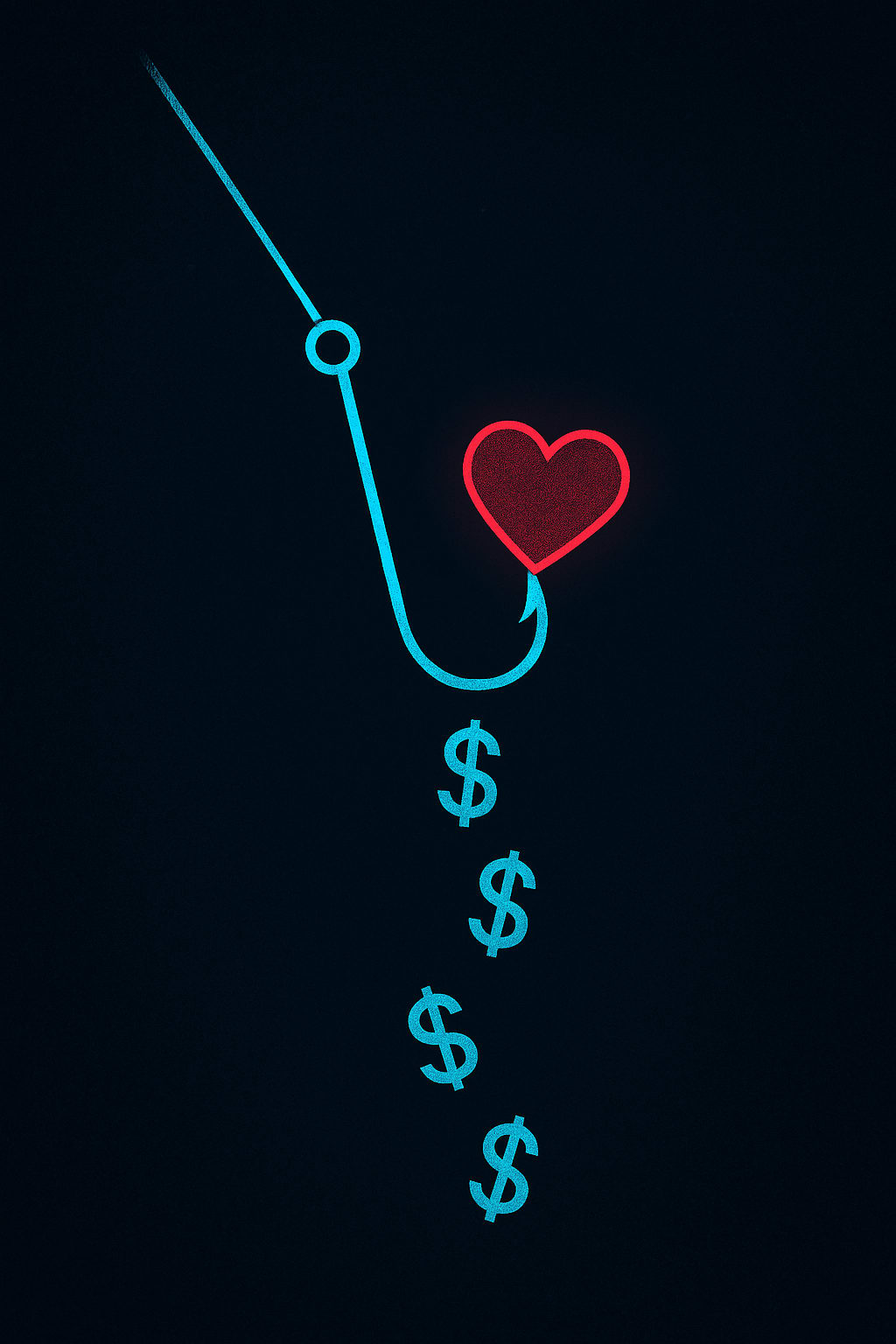
I didn’t set out to spend $90k on a subscription-based platform. It started like most modern mistakes, a TikTok video, a quick scroll to Instagram, then a single click that opened a world I didn’t know existed. What followed was six months of connection, conversation, and carefully engineered illusion. You think you’re building something real, but you’re actually stepping into a system built to extract attention, emotion, and money (in that order).
At first, it felt innocent. A little curiosity. A chat here, a photo there. You tell yourself it’s harmless, even amusing. But the platform is engineered for escalation, to blur the line between interaction and intimacy until you’re not just tipping a creator, you’re investing in a fantasy. It moves fast. Faster than you realize. One day you’re watching; the next, you’re emotionally locked in, feeding it like an addiction you can justify because “it’s not that bad.”
Then I met her, the one who turned a casual distraction into a full-blown obsession. She wasn’t the most explicit or the most glamorous, but she was the most believable. She remembered details. She asked about my day. She used my name in videos. She’d send messages that felt real, personal, even tender. It was connection, but it wasn’t mine. It was a performance optimized for one purpose. Retention.
Over the next six months, I became what the industry calls a “whale.” I didn’t know the term at the time, but it means exactly what it sounds like: a high-value target. I spent roughly $30,000 on her alone and another $60,000 spread across others, a steady drip of dopamine disguised as intimacy. The more I spent, the more real it felt. The more real it felt, the more I spent. The loop is vicious, and it preys on the same part of your brain that casinos figured out decades ago.
Looking back, the manipulation was subtle, brilliant, even. The “I miss you” messages, the delays between replies, the stories of struggle designed to tug at empathy. She told me about university, her mother, her broken car, even her cat falling out a window. Each story hit a different part of me, the protector, the provider, the optimist who wanted to believe she was genuine. That’s how this game works. It doesn’t sell sex; it sells emotional oxygen to men who don’t even realize they’re suffocating.
But the illusion cracked the day she sent me a fake invoice, a doctored car repair estimate in U.S. dollars from a mechanic somewhere in Eastern Europe. That was the moment the curtain lifted. Everything that followed was textbook damage control: denial, guilt, nostalgia, silence, and the eventual plea for forgiveness. When I confronted her, she didn’t defend what she’d done; she deflected. When I stayed silent, she escalated. It was all in the playbook, the same psychological choreography used to keep whales on the line.
Here’s what most people don’t understand about these platforms : it’s not about porn. It’s about psychology. Every interaction is data. Every pause, every response time, every emotional cue becomes part of a calibrated strategy. These creators or often, the management teams behind them know exactly what they’re doing. They study behavioral loops. They know when to withhold affection, when to show vulnerability, when to send a “random” photo that reignites your emotional tether. It’s not love; it’s retention science.
When it finally ended, I felt stupid. Angry. Embarrassed. But mostly used. And that’s when it hit me: this isn’t just about one manipulative person. It’s an ecosystem of monetized loneliness. It thrives on vulnerability. It weaponizes empathy. And it’s growing faster than anyone wants to talk about.
The worst part? For a while, I didn’t even want revenge or closure. I wanted her to understand what she threw away, that beyond the money, there was someone who actually cared about her. Someone who saw her as more than a commodity. But caring in that world is the biggest mistake you can make. Genuine emotion is leverage there, and once you give it, you’ve already lost.
I’m not telling this story for sympathy. I’m telling it because no one does, especially men. We don’t talk about getting emotionally conned because it feels emasculating. But it happens, and it happens to a lot more people than you think. Behind every “thank you, babe” and “miss you” is an engine built to profit from attention and affection. I just happened to pay the tuition for that lesson in full.
If there’s a takeaway, it’s this: the platform isn’t the problem. The problem is the illusion it sells , that attention equals care, that repetition equals connection, and that money can buy authenticity. It can’t. It never will.
I don’t regret the money as much as I regret what I gave freely, my trust, my time, and my belief that something genuine existed where everything was transactional. But I’ve learned. The next time someone says “I miss you” online, I’ll know it’s just business.
About the Creator
Keep reading
More stories from writers in Confessions and other communities.
Thoughts on Vocal and the way the world is
"Death cannot stop true love, only delay it." – Wesley in The Princess Bride. I decided to come back to Vocal on a very cold and dark night at the end of December. I had been, and still am, convalescing from a horrible staph infection that had gone misdiagnosed for months. This, paired with the increasing challenges of being healthy, making the best choices for my co-parented child, being a wife, and being a director at a new job, was a lot to manage.
By Jazzy 2 days ago in Confessions
I Kept Telling Myself I Was Fine Until I Couldn’t Anymore
By: Tazamain Khan For a long time, I told myself I was fine. Not great. Not happy. Just fine. And somehow, that felt acceptable. I thought as long as I was functioning—showing up, doing what was expected, keeping things together—I didn’t need to question how I really felt.
By Tazamain Jan4 days ago in Confessions
The Devil's Cut
“Comrade, finally you’re awake.” The voice was smooth, sensual. A flickering incandescent bar was all that lit the white, sterile room. All Vladimir remembered was everything going black. He tried to move his arms and found them strapped to the gurney.
By Matthew J. Fromm6 days ago in Fiction




Comments
There are no comments for this story
Be the first to respond and start the conversation.